São Francisco Valley makes first tariff-free grape shipment to Europe
Brazil’s São Francisco Valley has completed its first tariff-free grape shipment to Europe, according to Irecê Reporter. The milestone could improve the region’s competitive position, although the shipment’s volume, destination and tariff savings were not disclosed.
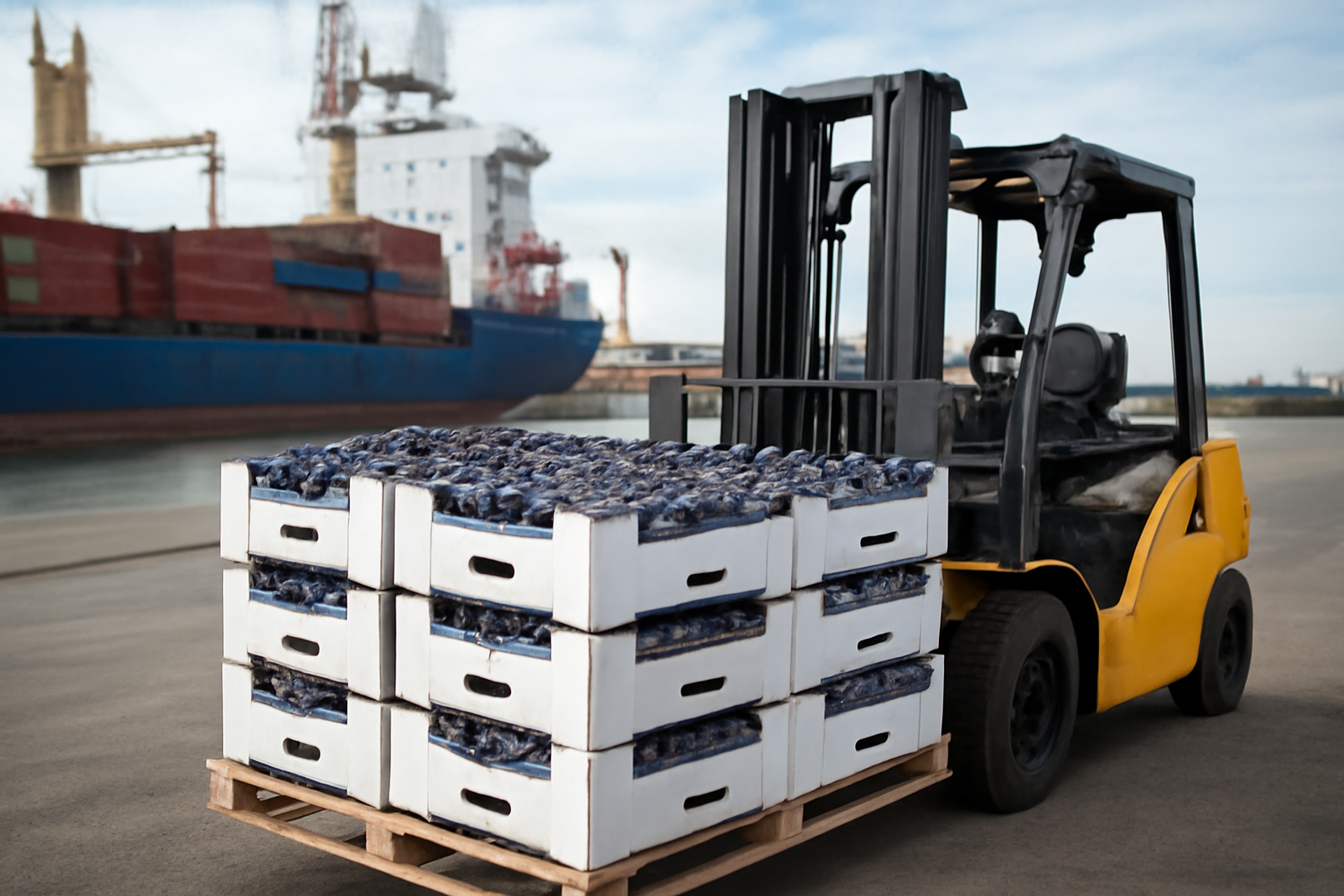
First tariff-free shipment reaches a milestone
Brazil’s São Francisco Valley has recorded its first shipment of grapes to Europe without a tariff, according to Irecê Reporter. The milestone was presented during Caravana Frutas – Do Vale para o Mundo, an initiative conceived by the Brazilian Trade and Investment Promotion Agency, ApexBrasil, and held in Petrolina, Pernambuco.
The event brought together growers, representatives of the fruit industry and public authorities. The available report did not identify the European destination, exporter, buyer, shipment volume or grape varieties involved. It also did not specify the trade arrangement under which the cargo obtained tariff-free treatment or quantify the resulting savings.
Despite those gaps, the shipment is commercially relevant because import duties form part of the landed cost paid by buyers. Removing that expense can give exporters more room to compete on price, protect margins or negotiate supply programs with European customers. The actual benefit will depend on the tariff previously applied and on whether other costs, including packing, certification and logistics, remain unchanged.
Growers gain a new competitive lever
For producers in the São Francisco Valley, duty-free access could make European sales more attractive when compared with shipments still exposed to import tariffs. It does not guarantee higher returns: growers and exporters will have to decide how any saving is divided between farm prices, exporter margins and lower offers to buyers.
The development may also influence commercial planning. If tariff-free eligibility can be used consistently rather than for a single cargo, exporters could incorporate the advantage into negotiations before packing and shipment. Reliable access would matter more than a one-off saving because European importers generally need clarity over final costs when arranging purchases.
Compliance will remain central. The report confirms the tariff-free shipment but provides no details about the documentation or origin requirements attached to the treatment. Producers, packing companies and exporters therefore need to establish which conditions were met and whether the same route is available to other consignments.
Scale and repeatability will determine the impact
The first shipment establishes a precedent, but its market significance cannot yet be measured. No figures were provided for cargo size, value, previous duty rate or expected export growth. Without those data, it is not possible to calculate the saving per kilogram or the effect on grower revenue.
The next test is whether additional exporters and farms can reproduce the transaction. Wider participation could strengthen the valley’s negotiating position with European buyers, while limited eligibility would confine the benefit to a narrow group of suppliers.
The Caravana Frutas gathering in Petrolina gives the sector a venue to clarify those practical questions. For growers and traders, the key issues are the legal basis for zero-duty entry, the products and destinations covered, the proof required and the duration of the benefit. Answers will determine whether the first shipment becomes a regular commercial channel or remains an isolated milestone.