Botswana Takes Second Delivery of Brazilian Dairy Cattle for Milk Valley Farm
Botswana Development Corporation has received a second shipment of 205 Girolando dairy cattle from Brazil for Milk Valley Farm in Lobatse. The project targets a herd of about 3,000 cattle and annual production of approximately 15 million litres of milk, reducing Botswana’s dependence on South African imports.
Second shipment advances farm expansion
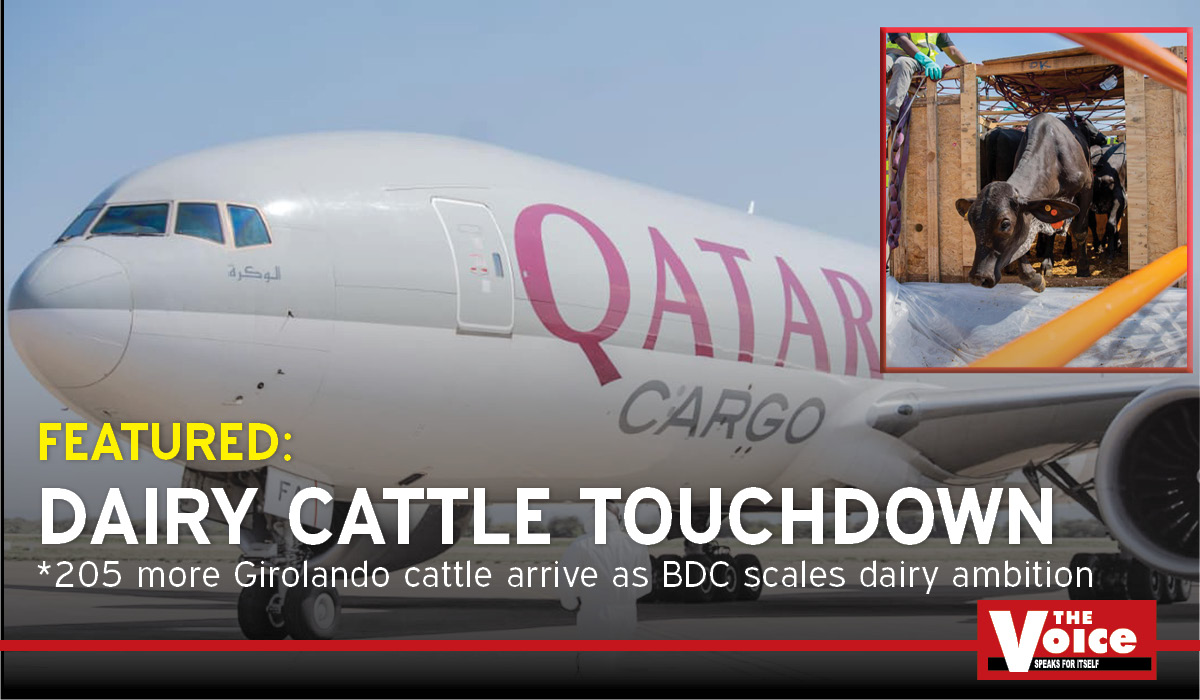
Botswana Development Corporation has received a second consignment of 205 Girolando dairy cattle from Brazil as it expands Milk Valley Farm in Lobatse. The Voice reported that the shipment arrived on Saturday, following an initial delivery of 186 cows in July. A further 206 cattle are expected within days.
Those three consignments would bring the number delivered from Brazil to nearly 600. BDC purchased 1,000 cattle under the phased import programme, leaving additional animals to arrive as the farm develops into a large-scale commercial dairy operation. Girolando cattle were selected for their milk-production potential, resilience and ability to adapt to Botswana’s warmer climate.
Annual output target reaches 15 million litres
At full scale, Milk Valley Farm is targeting a herd of approximately 3,000 cattle and annual milk production of about 15 million litres. The investment addresses a substantial gap in Botswana’s dairy market, where domestic production remains at an early stage and most milk demand is currently met by imports from neighbouring South Africa.
Trade and Entrepreneurship Minister Tiroeaone Ntsima said the farm supports national priorities including food security, lower dependence on dairy imports and the development of a competitive domestic industry. He also pointed to the potential to retain more economic value in Botswana by expanding activity beyond primary milk production. BDC Managing Director Oteng Keabetswe similarly said the project’s impact should include employment, skills, citizen-owned enterprises and opportunities throughout the dairy value chain.
Infrastructure supports commercial-scale production
BDC has invested in a 72-point rotary milking parlour, modern dairy housing, expanded water infrastructure and feed and fodder systems. The project also includes modern herd-management and breeding systems, together with stronger biosecurity facilities. In June 2026, Botswana’s Department of Veterinary Services granted Milk Valley Farm Foot and Mouth Disease-Free Dairy Compartment Status, providing an animal-health foundation for continued expansion.
The farm could create demand for locally supplied feed and fodder, veterinary and animal-health services, transport, logistics, equipment maintenance and cold-chain capacity. Breeding, cattle distribution and downstream dairy processing could also benefit as milk volumes increase. The commercial effect will depend on how quickly BDC completes the herd build-up and converts the new capacity into consistent milk output, but the imported cattle and installed infrastructure establish a measurable production base for Botswana’s effort to replace part of its dairy imports.