Bosnian Drought Threatens Crops, Dairy Supply and Food Prices
Extreme heat and poor rainfall have damaged corn, fruit and vegetable production in Bosnia and Herzegovina. Vegetable prices could rise 10% to 20% above previous expectations, while farmers warn of possible shortages of some domestically produced foods.
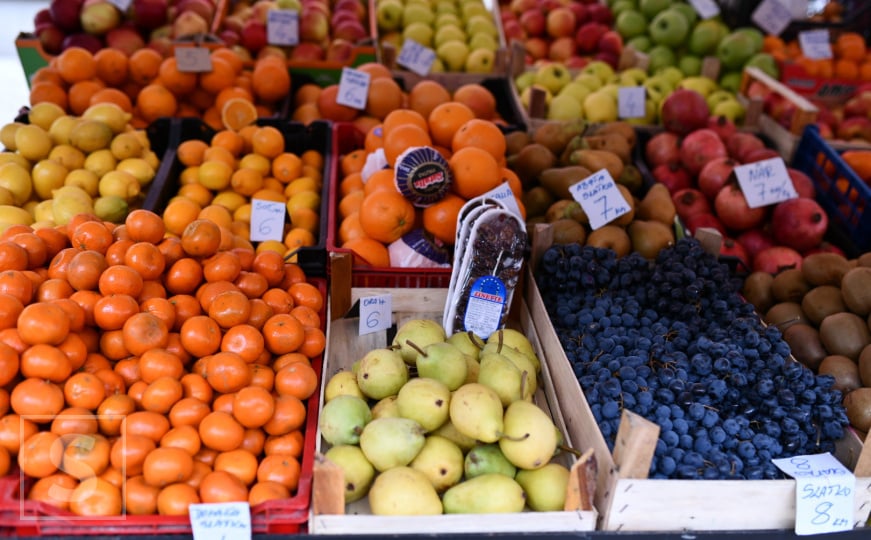
Two heat waves damage agricultural production
Two heat waves and a lack of rainfall have caused serious damage to agriculture in Bosnia and Herzegovina, raising the prospect of higher food prices and reduced availability of some domestically produced goods. Radiosarajevo.ba, citing reporting by BHRT, said the most severe problems had been recorded in corn, fruit and vegetable production.
Farmers say maintaining outdoor production has become exceptionally difficult under high temperatures and water shortages. The full scale of the damage will not be known until the season ends and final assessments of farms and crops are completed. That leaves producers, food processors and retailers facing uncertainty over the volume and quality of the domestic harvest.
Corn losses spread pressure to livestock and milk
Damage to both grain corn and silage corn creates risks beyond the crop market because silage is an important source of livestock feed. Nedžad Bićo, president of the Federation of Bosnia and Herzegovina Farmers’ Association, described conditions in corn, fruit and vegetable production as poor and said animals were also suffering heat stress.
The combined pressure on feed crops and livestock could affect milk and other animal products. The report did not provide estimates for losses in tonnes, milk volumes or the number of affected animals. It nevertheless identified milk among the products expected to become more expensive, alongside fruit, vegetables and other foods. The risk for dairy farmers is therefore twofold: heat can affect animals directly, while weaker corn and silage output can restrict locally available feed.
Vegetable prices could exceed expectations by 10% to 20%
Sector estimates cited by Radiosarajevo.ba indicate that vegetable prices could be 10% to 20% higher than previously expected. Consumers are already reporting substantial price differences between open markets and other retail outlets. Some say they are increasingly buying certain products in shopping centres because prices there are lower.
Farmers have also warned that shortages of individual domestic products are possible. The report does not identify which products face the greatest shortage risk or quantify the expected supply gap. The outcome will depend on the remaining growing season and the final damage assessment, but reduced local output would leave wholesalers, processors and retailers competing for a smaller domestic supply.
European prices will shape the market response
Imports offer one possible way to cover domestic shortfalls, but they do not insulate Bosnia and Herzegovina from higher costs. Radiosarajevo.ba noted that movements in the European food market directly affect domestic prices through the cost of imported food. Availability in neighbouring and wider European markets will therefore influence how easily buyers can replace lost Bosnian production.
For producers, the immediate issue is preserving viable crops and livestock under continued heat and limited water. For traders and retailers, the challenge is securing alternative supply without adding excessive price pressure. Consumers are likely to see the effects unevenly across products and sales channels until the harvest ends and the actual scale of losses becomes clear.