Pork imports to Bosnia and Herzegovina up nearly 70% in six years as pig herd shrinks by a third
Official trade data show pork imports into Bosnia and Herzegovina rose from about 15 million kilograms in 2019 to 25.3 million kilograms last year. Over the same period the pig herd in Republika Srpska fell from 515,000 to 357,000 head. Producers are demanding duties and per-kilogram levies on imported pork and beef.
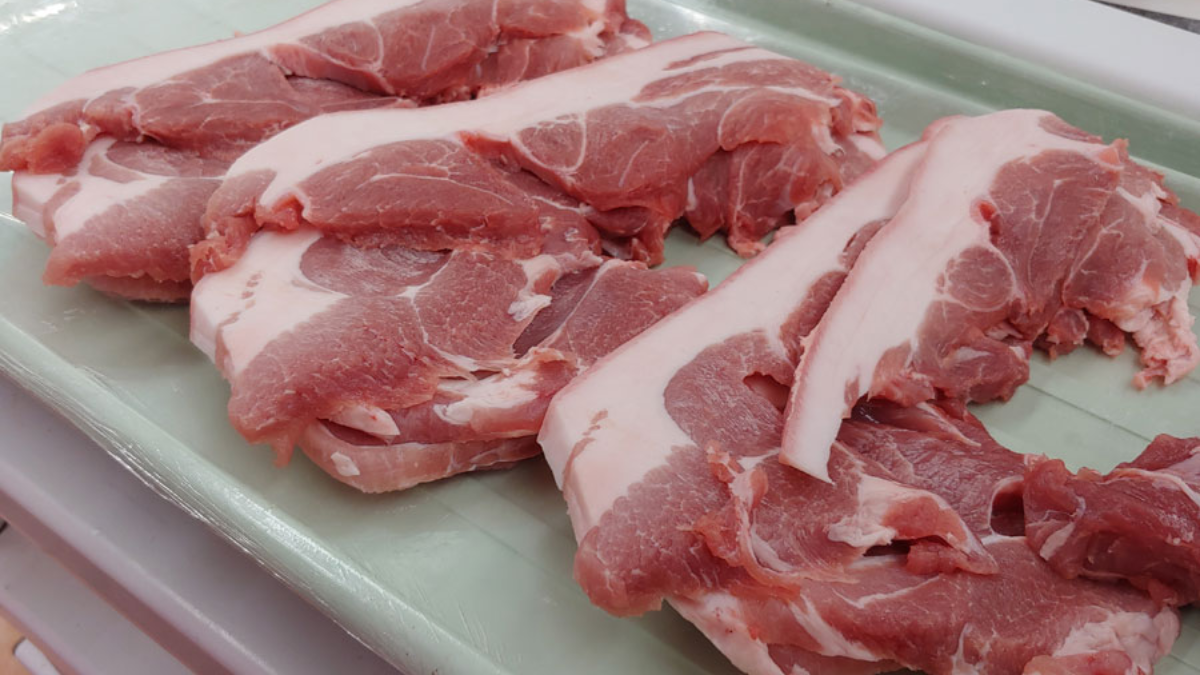
Pork imports into Bosnia and Herzegovina have risen by almost 70 percent in six years, according to official statistics reported by aloonline.ba, while the pig herd in Republika Srpska has contracted by close to a third over the same period. Livestock producers say the two trends are directly linked and that the remaining farms are close to shutting down.
Import volumes climb to 25.3 million kilograms
Data from the Foreign Trade Chamber of Bosnia and Herzegovina show that the country imported around 15 million kilograms of pork in 2019. Last year that figure reached 25.3 million kilograms of fresh, chilled and frozen pork. Imports of beef and veal are also rising, according to the same report.
The shift in market share has been fast. Breeders say that until three or four years ago domestic output covered roughly 30 percent of market demand, while today that share stands at only 15 to 20 percent. Producers warn that if import volumes are not curbed, the few remaining farmers will close their pens.
Pig numbers down to 357,000 head
Figures from the Republic Institute of Statistics show the pig herd in Republika Srpska stood at around 515,000 animals in 2019 and fell to 357,000 last year, a decline of almost one third.
An additional blow this year came from drought, which destroyed a significant part of the maize crop. The combination of expensive domestic feed inputs and cheap imported meat makes production unviable, and a growing number of people are leaving rural areas, according to the report.
Import prices undercut domestic live weight
Retail pricing illustrates the pressure on margins. A kilogram of pork shoulder sold on promotion in supermarkets costs around 3.50 KM, while a kilogram of imported veal ribs sells for 14 to 15 KM.
Mišo Maljčić, president of the Association of Pig Breeders of Republika Srpska, said the alignment between the price of imported meat and the live weight of domestically fattened animals defies logic. “We have been pushed to the very edge of survival, but the state does not hear us. For years we have been asking for protective measures, but nothing has come of it. Something here is seriously wrong. The price of fattened pigs is worryingly low, and we have never been this uncompetitive,” Maljčić said in comments reported by Srpskainfo.
Farmers quoted in the report question the quality of imported veal that costs less than the live weight of domestic cattle. “Of course every slaughterhouse will prefer to buy cheap meat without looking into its quality. And the price says it all. On the other hand, we cannot sell our goods, so it is no surprise that people are giving up breeding and looking for somewhere to go,” they said.
Quality claims and calls for protective measures
Maljčić has repeatedly argued that Bosnia and Herzegovina has effectively become a dumping ground for the European market, and has raised concerns about the condition of imported goods. “In Bosnia and Herzegovina meat frozen for up to a year is used. The problem is that this meat has to be ‘refreshed’ with various additives and phosphates, which can be dangerous to human health. Also, meat that has been frozen for a long time and then thawed takes on the smell of the cold store from standing so long. In Europe that meat is given to pets,” he said. The claims are those of the producers' association; no independent testing results were cited in the report.
Domestic producers have submitted repeated requests to authorities at the state level for trade protection measures. Their demands are:
- a 10 percent customs duty on fresh and chilled beef and pork;
- a special levy of 1.50 KM per kilogram of imported pork;
- a special levy of 2.50 KM per kilogram of imported beef.
None of the measures has been introduced so far.
Full market analysis