Bosnian dairy producers ask for import levies and tariff quotas as farmgate milk prices fall 30%
Four producer associations have asked Bosnia and Herzegovina's trade ministry to impose levies of 0.38 to 3.19 convertible marks per kilogram on dairy imports under headings 0401-0406, plus tariff quotas based on a three-year average. Customs data show import volumes flat in the first eight months of 2026 while the import bill fell by more than 12 million marks. The farmgate price of raw milk has dropped 30 percent in eight months, with farms closing and milking herds being cut.
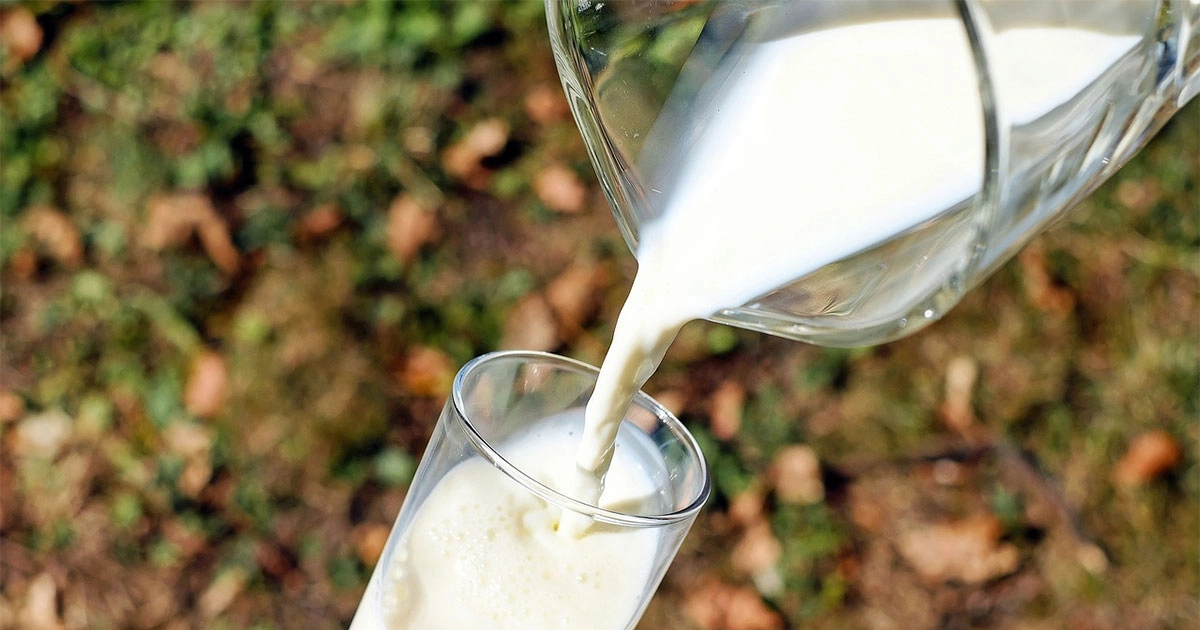
Milk producers in Bosnia and Herzegovina have asked the Ministry of Foreign Trade and Economic Relations to open a trade-protection procedure and introduce levies and tariff quotas on imports of milk and dairy products, arguing that the domestic sector is facing collapse. The request, reported by Nezavisne novine, BosnaInfo and Agroklub, was submitted by four producer associations and is addressed to the Council of Ministers of Bosnia and Herzegovina for urgent adoption.
The letter describes uncontrolled and excessive imports of dairy products at prices the producers call economically unjustified, and links them directly to a sharp fall in the farmgate price of fresh raw milk.
Import volumes flat, import value down
According to official figures from the Indirect Taxation Authority of Bosnia and Herzegovina (UINO) cited in the request, imports of milk and dairy products in the first eight months of 2026 reached 33,345,017 kilograms, against 33,289,341 kilograms in the same period of 2025 - an increase of 55,676 kilograms.
Value moved in the opposite direction. The total import bill fell from 172,049,521 convertible marks in 2025 to 159,701,041 marks in 2026. The average import price per kilogram dropped from 5.17 marks to 4.79 marks, a decline of 7.33 percent.
The associations single out cheese. In the first eight months of 2026 the average price of imported cheese was around 8 marks per kilogram, while Bosnia and Herzegovina exported cheese at an average 11.27 marks per kilogram. Importers, they argue, are placing European market surpluses on the domestic market below Bosnian production costs, and the final price of those cheeses is illogically low relative to the volume of milk required to make a kilogram of product.
Farmgate prices and herd cuts
The pressure passed straight to primary producers. Processors were forced to reduce purchases of fresh raw milk, and in some cases collection stopped entirely. Association estimates put unsold stock at processors above 30 percent at certain points. Over the past eight months the farmgate price of fresh raw milk fell by 30 percent across most of the country.
With current feed costs and with energy and fertiliser prices ahead of the autumn sowing, the associations say the present farmgate price is far below the profitability threshold - producers say they work only to pay for fuel. Many are cutting dairy cow numbers or stopping production permanently, and the letter describes farms being closed and milking cows slaughtered on a mass scale over the past ten months, warning of consequences for the country's food independence and of further depopulation of rural areas. Vecernji list notes that the sector directly or indirectly supports tens of thousands of people, and that each farm closure means less domestic milk, lower output and greater dependence on imports.
What is being requested
- A protective tariff on imports of milk and dairy products under tariff headings 0401-0406, set between 0.38 and 3.19 marks per kilogram depending on product category.
- Revenue from that tariff to be channelled back into the sector: 30 percent for investment in adaptation to climate change, 30 percent for milk processing and 40 percent as direct production support through a higher premium per litre of milk produced.
- Quantitative limits in the form of tariff quotas for specific dairy contingents, calculated on a three-year average, to cap volumes entering without control.
Representatives of the associations say Bosnia and Herzegovina has the full legal right and the obligation under international agreements - including the transitional provisions of the Stabilisation and Association Agreement and CEFTA - to activate safeguard mechanisms when imports threaten serious injury to domestic industry. They state that the injury has already occurred and is growing by the day.
The initiative was sent by four organisations: the Association of Agricultural Producers - Dairy Farmers of Republika Srpska, the milk producers association Mljekari TK, the association of milk and meat producers of SBK and the farmers association of ZDK. Together their member areas account for about 68 percent of fresh raw milk production in Bosnia and Herzegovina, or 209 million litres. The associations expect a meeting to be scheduled urgently and the protection procedure to be launched.