Tomato harvest starts across 34,130 decares in Türkiye’s Bitlis province
Farmers in Bitlis have begun harvesting tomatoes cultivated across 34,130 decares this season. The province ranks first in Eastern and Southeastern Anatolia and seventh across Türkiye for tomato production, while Tatvan is its leading producing district.
Harvest begins across the province
Tomato harvesting has started in Türkiye’s eastern province of Bitlis, where the crop covers 34,130 decares this season, according to Son Dakika. The provincial production base places Bitlis first for tomatoes across Eastern and Southeastern Anatolia and seventh nationally.
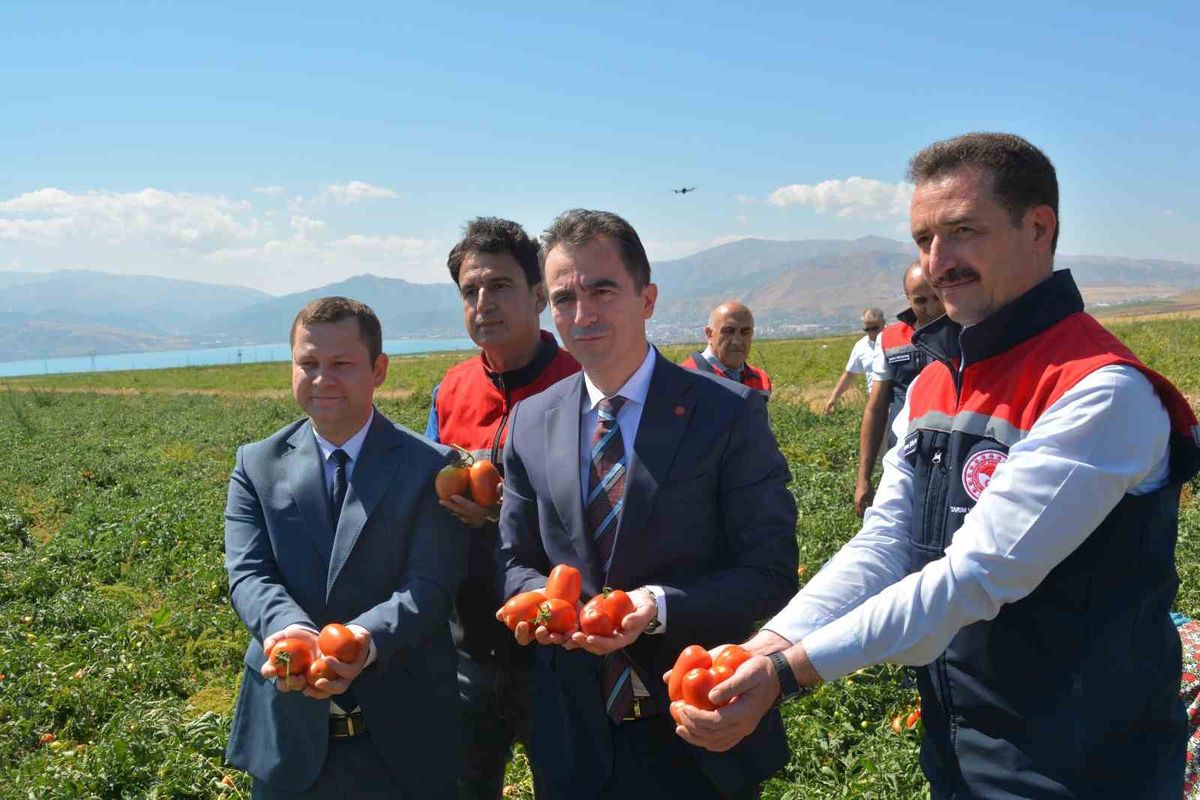
Bitlis Governor Ahmet Karakaya joined agricultural workers during a harvest visit to the Karşıyaka neighborhood of Tatvan. Officials from the provincial and district directorates of agriculture and forestry also attended and briefed the governor on local farmland and tomato production.
Tatvan leads Bitlis production
Tatvan ranks first among districts in Bitlis for tomato growing. Haberler.com reported that farmers were harvesting an approximately 600-decare area at the foot of Mount Nemrut, including a field operated by producer Behçet Bilici.
The site produces the industrial “Bambam” tomato variety, while neighboring fields contain traditional varieties. The distinction is commercially relevant because the local crop serves several channels: wholesale fresh-produce markets, supermarkets and processors making tomato paste and canned products.
Cevdet Erdal, a buyer who travels from the Kahta district of Adıyaman, said he had sourced tomatoes from the area for 7 years. He takes 10 tonnes on each trip for sale through a wholesale produce market and for distribution into canned goods, tomato paste and retail channels. Erdal said he could purchase more if the season lasts longer.
A diversified agricultural base
Bitlis has approximately 1.5 million decares of agricultural land, Governor Karakaya said. Farmers use it for a broad range of products, including potatoes, beans and tomatoes, while the province also has a substantial honey sector. He described agriculture and livestock as strategic industries for meeting domestic food requirements and pointed to support provided by the Ministry of Agriculture and Forestry.
The start of harvesting now shifts attention from cultivated area to marketable output, crop quality and the duration of field operations. The sources did not provide a production-volume forecast, farmgate prices or expected processing demand. Those variables will determine how strongly the 34,130-decare crop contributes to grower revenue, regional wholesale supply and raw-material availability for paste and canning businesses.