Abundant Bilecik nectarine harvest pushes producer prices down as 70% goes abroad
Nectarine output in Turkey’s Bilecik province reached 10,625 tonnes from 4,200 decares, with much of the crop concentrated in Osmaneli. A local producer says prices have fallen to TRY 10-20 from TRY 60-70 last year, even though 70% of the fruit is shipped abroad.
Abundant crop weighs on farmgate prices
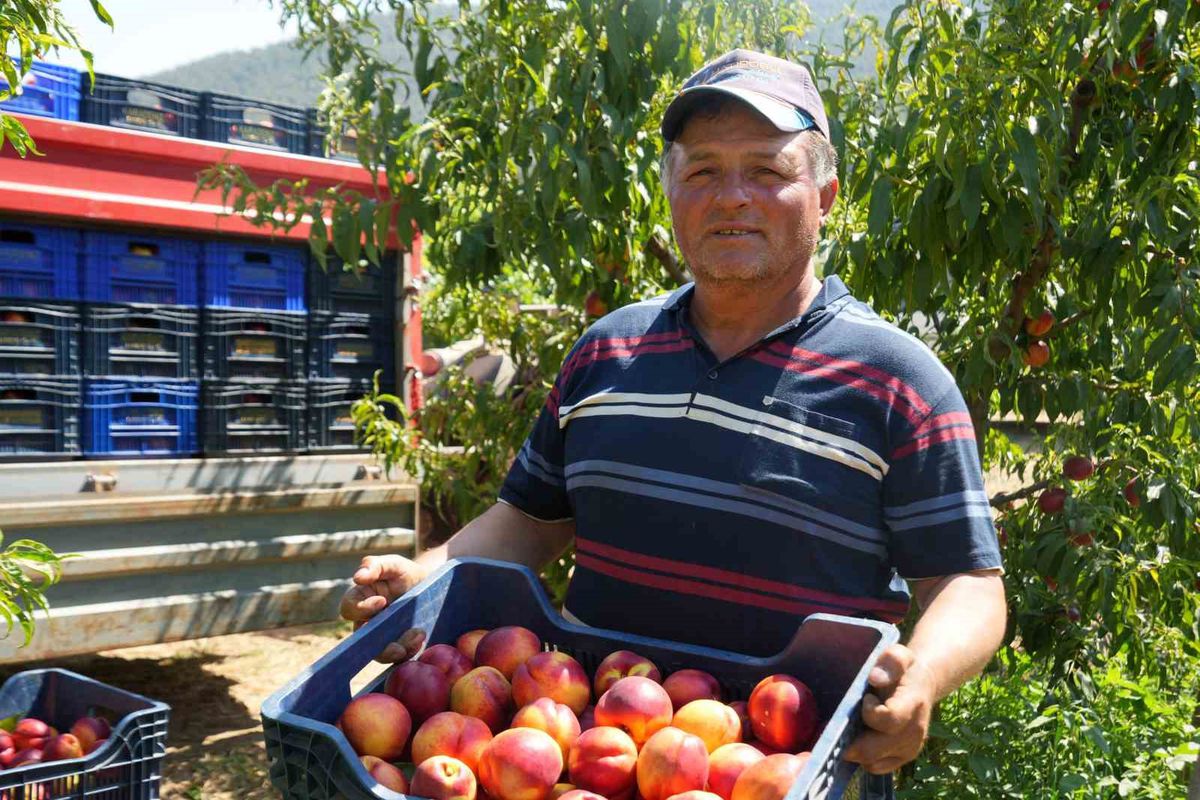
Peach and nectarine harvesting has begun in Çerkeşli village in the Osmaneli district of Bilecik, but a large crop has sharply reduced the prices received by local growers. Bilecik produced 10,625 tonnes of nectarines across 4,200 decares, according to figures reported by Haberler.com and Türkiye Gazetesi. A substantial share of the province’s production is concentrated in Osmaneli.
Producer Recep Yağcı said nectarines sold for TRY 60-70 last year, when peach availability was limited across Turkey following crop damage. This season, he said, buyers are purchasing the fruit at TRY 10, TRY 15 or TRY 20. The figures indicate a decline of at least two-thirds from the bottom of last year’s reported range to the top of this season’s range.
Yağcı attributed the weaker price performance to this year’s abundant harvest. His account highlights the exposure of fresh-fruit growers to short-term supply swings: a recovery in volumes can depress farmgate prices when marketing channels and demand do not absorb the additional fruit at the same pace.
Exports take 70% of the crop
About 70% of the peaches and nectarines discussed by the producer are shipped abroad, while the remainder enters Turkey’s domestic market, Yağcı said. Istanbul is the main domestic destination. Neither publication identified the foreign markets receiving the crop or provided export prices, shipment volumes or comparisons with competing suppliers.
The large export share means overseas demand is central to price formation in Osmaneli. Yet the current price decline shows that a high proportion of export-oriented fruit does not automatically provide growers with pricing power. Exporters and traders must move a perishable crop during a limited commercial window, while producers have little ability to delay sales when supply is abundant.
Yağcı argued that the domestic market cannot absorb all available production without export support. That creates a direct link between the pace of foreign shipments and local farmgate conditions. If export channels slow, more fruit must compete for buyers in Istanbul and other domestic markets, increasing pressure on producer prices even if retail availability or consumer prices tell a different story.
Orchard economics extend beyond one season
The price squeeze also matters for longer-term orchard investment. Yağcı said he has grown peaches on 50-60 decares for 25 years. Trees are removed after around 20 years, varieties are changed and renewed orchards require another five to six years to return to production. Current proceeds therefore affect not only seasonal income but also growers’ capacity to finance orchard renewal during years with limited output.
For producers, the central issue is whether the higher harvest can compensate for the lower unit price after picking, packing and orchard costs. For traders and exporters, abundant supply creates access to cheaper fruit, but also raises the need for fast handling and reliable foreign demand. The Bilecik harvest illustrates how a successful production season can still weaken grower returns when market absorption fails to keep pace with volume.