Bikaner processes 300 tonnes of betel nut a month without growing the crop
Bikaner has become a betel nut drying and trading centre despite having no local cultivation. News18 reports that businesses handle about 300 tonnes a month, sourcing raw nuts from Assam and Karnataka and using Rajasthan’s intense sun and dry climate for processing.
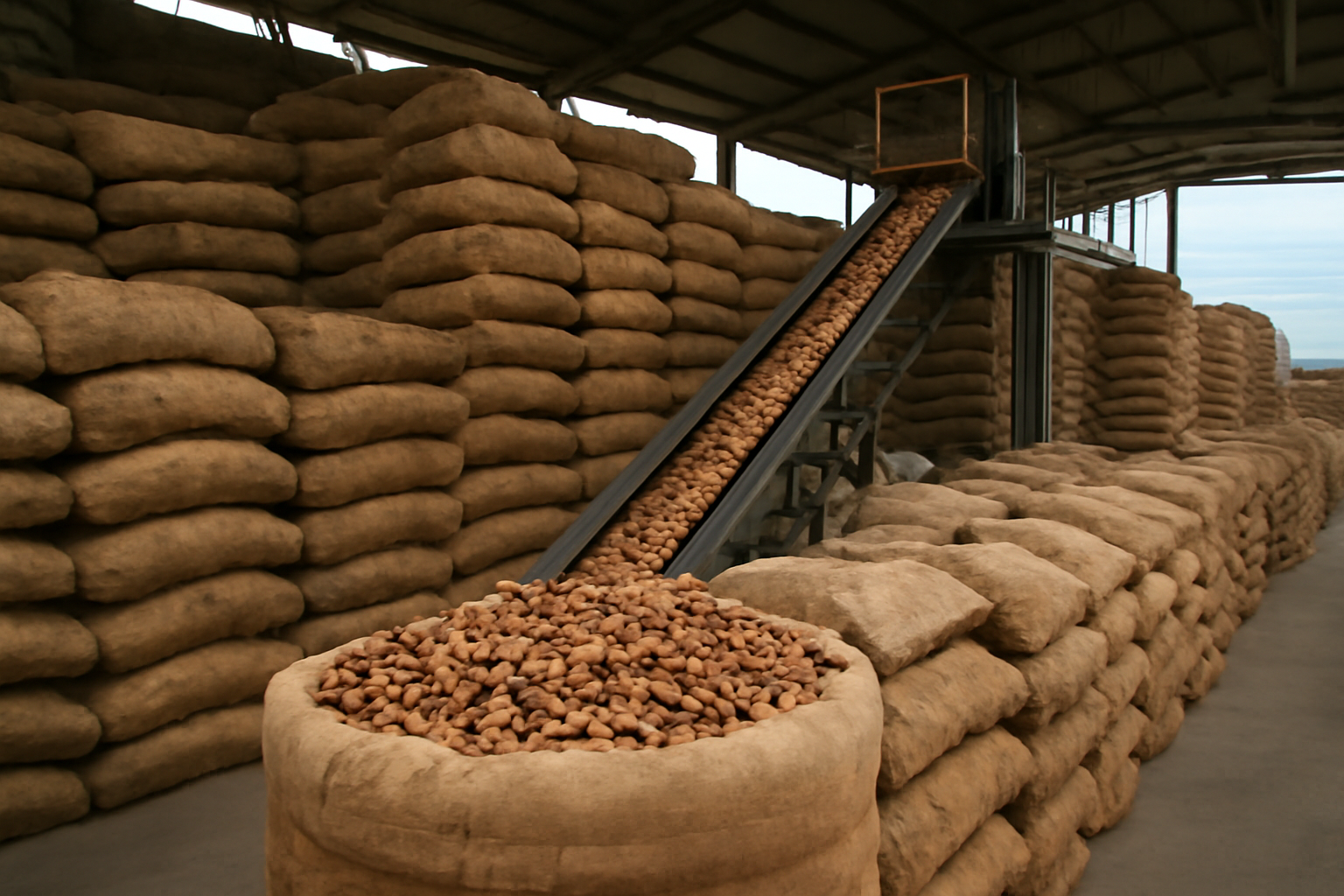
A processing centre far from the plantations
Bikaner in Rajasthan has developed into a significant betel nut, or supari, processing and trading centre even though the crop is not cultivated locally. According to News18, businesses in the city sell around 300 tonnes each month. Their raw material arrives from Assam and Karnataka, linking production regions in northeastern and southern India with processors in the country’s arid northwest.
The location works because processing does not have to take place beside the plantation. Bikaner’s contribution is its intense sunlight and dry climate, which allow traders to dry raw betel nut with limited exposure to humidity. The city has consequently built a commercial role around handling and conditioning an agricultural product grown hundreds of kilometres away.
Drying time varies by product
News18 reports that raw betel nut brought to Bikaner is dried for periods ranging from several days to three or four months. The duration depends on the material and the condition required for sale. This makes space, weather and inventory management central to the business: traders must hold stocks during processing before the nuts can move into the market.
The model turns Bikaner’s climate into processing infrastructure. Strong sun supports moisture removal, while dry air reduces the weather-related constraints that processors would face in more humid locations. The commercial advantage is therefore not local cultivation but the ability to receive, dry and prepare large consignments consistently.
A domestic supply chain spanning three states
The reported monthly volume of about 300 tonnes shows that the activity is more than a small local trade. Assam and Karnataka supply the raw crop, while Bikaner provides drying capacity and a trading point. Producers in the two origin states gain access to processors outside their growing regions, and Bikaner’s merchants depend on regular long-distance deliveries to keep their facilities and sales channels supplied.
This arrangement also leaves businesses exposed to conditions beyond Rajasthan. Any interruption in procurement or transport from Assam and Karnataka could affect throughput in Bikaner, because the city has no local crop to use as a substitute. Conversely, reliable inflows allow traders to exploit the dry season and manage batches with very different processing times.
Climate creates value without cultivation
Bikaner’s betel nut sector illustrates how agricultural value can migrate away from the farm. Cultivation remains concentrated in wetter producing areas, but drying and commerce can develop where the climate lowers processing constraints. The movement of raw nuts into Rajasthan creates demand for aggregation, transport, storage, handling and wholesale distribution along the route.
For growers and suppliers in Assam and Karnataka, Bikaner represents a recurring destination for raw material. For local processors, the key assets are sunlight, low humidity and the ability to carry inventory for as long as three or four months. At roughly 300 tonnes of monthly sales, the city has established a specialised position in India’s domestic betel nut chain without planting the crop itself.