Benin channels $50 million into soybean processing as soy becomes its leading oilseed crop
Soybeans have become Benin's main oilseed crop, and the country's soy value chain is accelerating its move into domestic processing with a $50 million investment, Agence Ecofin reports. The outlet links the investment to the industrialization policy Benin has pursued for several years. Capacity figures, a commissioning timetable and the full list of participants have not been disclosed.
Soy takes the lead in Benin's oilseed sector
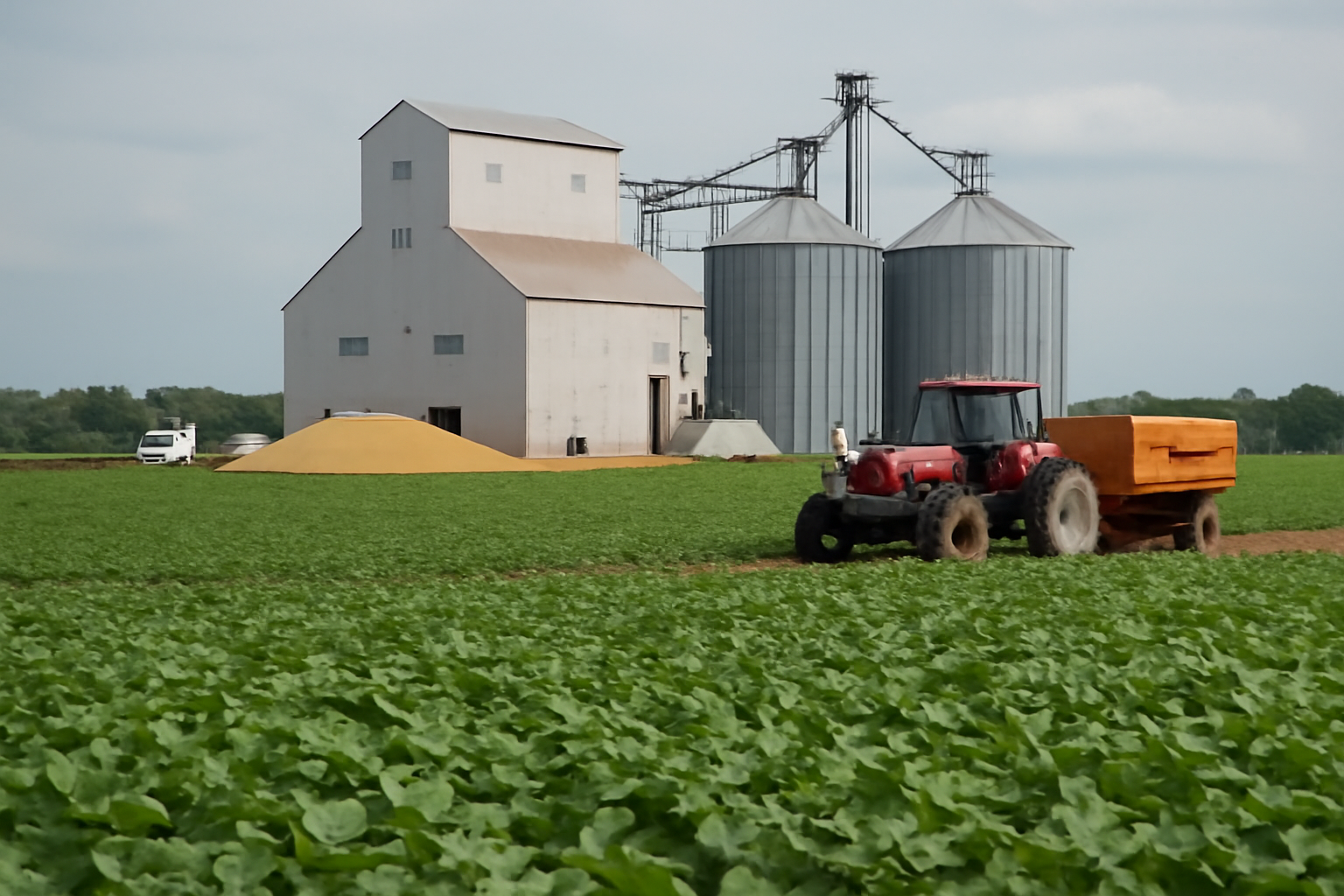
Soybeans have established themselves as Benin's main oilseed crop, and the country's soy value chain is accelerating its shift into processing on the back of a $50 million investment, Agence Ecofin reports. The outlet situates the investment within the industrialization policy Benin has pursued for several years, an effort aimed at moving agricultural output away from raw commodity exports and toward domestic transformation.
The figure is the headline fact available at this stage. The report does not set out a breakdown of the capital, an installed crushing capacity, a construction timetable or the full list of participants, and none of those details should be assumed by buyers or investors sizing the project.
What crushing capacity changes for the value chain
For an origin that has largely shipped beans, adding crush capacity changes both what leaves the country and where the margin lands. Processing splits the soybean into two commercial streams: crude oil for the edible-oil market and meal for animal feed. West Africa is a structural importer of vegetable oil, and regional poultry and aquaculture operations are steady consumers of protein meal. Serving either market from domestic plants substitutes for imports and keeps processing value inside Benin rather than in the destination countries that currently buy the raw beans.
The trade consequence is mechanical: every tonne crushed at home is a tonne unavailable to foreign processors. Whether that shows up as lower bean exports or simply absorbs incremental production depends on how fast planted area and yields grow relative to the new capacity — a balance the available reporting does not quantify.
Feedstock is the binding constraint
Crushing plants are judged on utilisation rates, and utilisation depends on a reliable supply of beans at a workable price. That places the burden on the upstream side of the chain:
- aggregation and storage infrastructure able to hold harvest volumes through the year;
- working capital for buyers who must pay farmers at harvest and recover cash over months;
- quality and moisture standards consistent enough for industrial processing;
- farmgate pricing that keeps growers in soy when competing crops or exporters bid for the same fields.
Competition for beans is the immediate tension. Domestic processors and exporters draw on the same harvest, and a new plant entering the market typically lifts farmgate prices before supply responds. For producers that is favourable; for processors it compresses crush margins in the early years, which is precisely the period when new capacity has to service its capital.
A marker for West African oilseed capacity
Benin's push is one data point in a broader move by West African governments to capture more of the value in agricultural chains they already supply. The direction of travel — oilseeds processed near where they are grown — matters for importers of West African beans, for equipment suppliers, and for feed manufacturers weighing regional sourcing against imports.
What remains open is execution. Announced investment is not installed capacity, and installed capacity is not utilised capacity. Market participants should treat the $50 million as a statement of direction from Benin's industrialization programme, and wait for capacity figures, commissioning dates and crush volumes before rebasing trade assumptions for the origin.