Belarus Expects 3.3 Million-Tonne Potato Crop as European Output Declines
Belarus expects to harvest about 3.3 million tonnes of potatoes this season, 300,000 tonnes more than last year. The increase could support exports as food potato production in four northwestern European countries is forecast to fall by about 25%.
Belarus adds 300,000 tonnes
Belarus expects to harvest about 3.3 million tonnes of potatoes in the current season, an increase of 300,000 tonnes from last year, Pravda.ru reported. The projected volume is sufficient to cover domestic demand while leaving a surplus that could be directed to export markets.
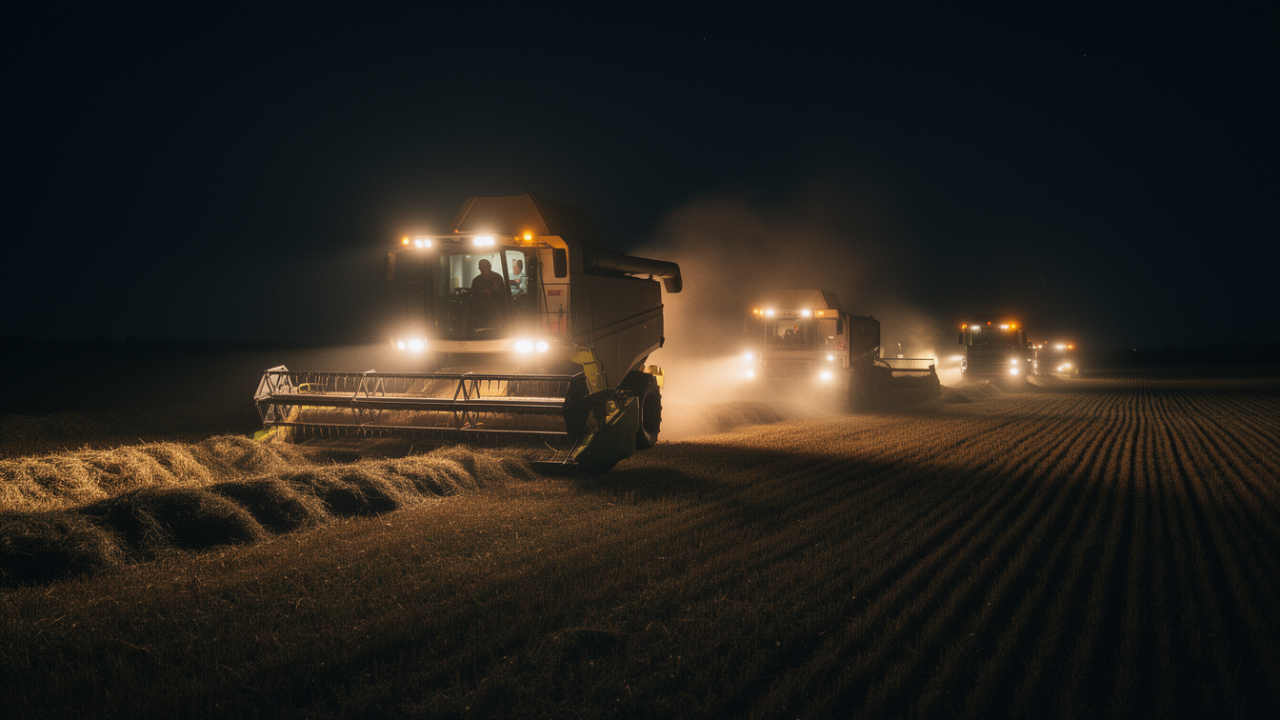
The potato harvest is now a central part of the country’s agricultural campaign as the main grain harvest nears completion. Belarus has already collected more than 9 million tonnes of grain, including rapeseed, while farms continue harvesting vegetables and sugar beet, sowing winter crops and bringing in grain maize and other late crops.
European supply is forecast to contract
The outlook contrasts with conditions in northwestern Europe. Citing the North-Western European Potato Growers association, Pravda.ru reported that food potato production in Germany, France, Belgium and the Netherlands is expected to fall by about 25% to 20.7 million tonnes. Yields in those countries are projected to decline by 14% because of drought and fertilizer shortages.
A contraction of that size would reduce the volume available to processors, wholesalers and retailers in four of Europe’s major potato-producing markets. Belarus’s additional 300,000 tonnes is modest compared with the combined European harvest, but it could create a commercial opening where transport, product specifications and market access allow Belarusian suppliers to compete.
Weather and storage remain critical
Belarusian farms have also faced weather-related risks. Excess summer moisture increased the threat of late blight, while some areas experienced localized rainfall shortages. Authorities responded with tighter oversight of crop-protection practices and checks on machinery readiness, according to the report.
Production is increasingly concentrated in large specialized farms, which the source identifies as a factor behind higher yields. However, the marketable supply will depend not only on field output but also on grading, storage quality and the ability to limit losses over winter.
For the 2026/2027 period, Belarus plans to place 147,160 tonnes of fruit and vegetables into storage, including potatoes, cabbage, carrots, beetroot, onions and apples. The target is based on actual consumption in the previous year and requests from retail chains. Controls cover supplier selection, inspection of storage facilities and schedules for releasing products to retailers.
Government seeks winter sales channels
Alexander Lukashenko has instructed the government to identify sales markets during the winter and determine where potato cultivation should be expanded. His comments indicate that the larger crop is being treated as both a food-security resource and a potential source of additional commercial supply.
The export opportunity nevertheless cannot be measured from production figures alone. The source provides no destination-level trade volumes, prices or logistics costs. For Belarusian producers and traders, the immediate task is therefore to convert the projected surplus into confirmed contracts while maintaining enough stored supply for the domestic market.