Austrian drought forces first cattle slaughter as farms run short of feed
Exceptional heat and drought are leaving Austrian cattle farms without enough pasture or winter feed. Farmers have begun slaughtering cows, while rising slaughterhouse supply is putting pressure on cattle prices.
Dry pastures push cattle into barns
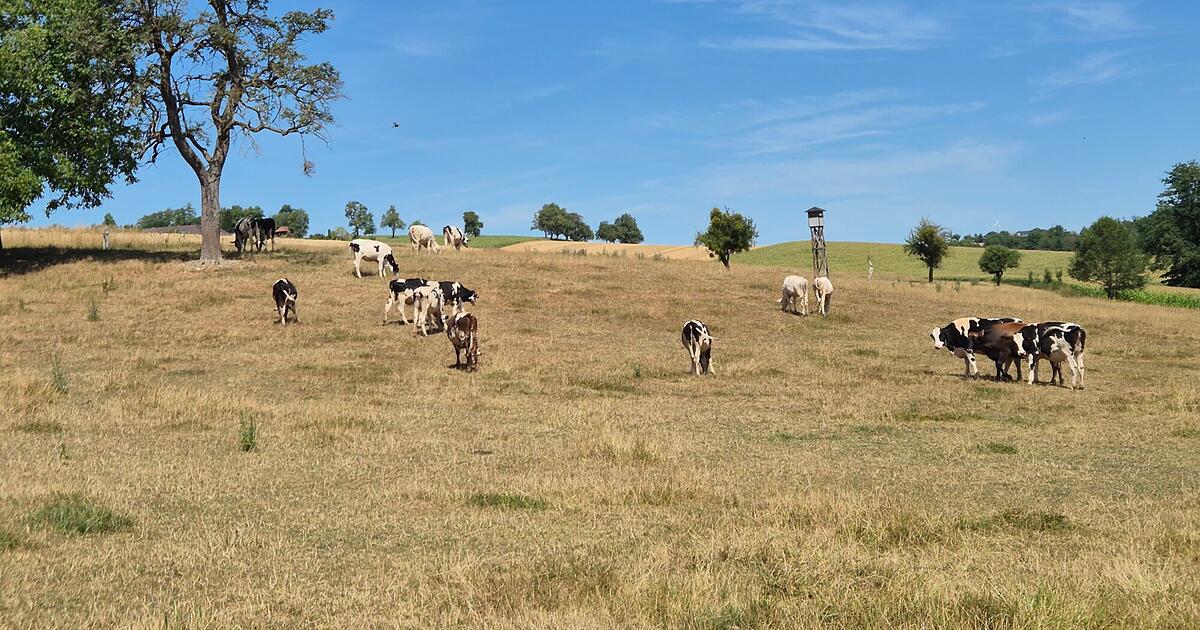
Austrian livestock farmers have begun slaughtering cattle as exceptional heat and drought reduce pasture growth and leave farms short of feed. The Ministry of Agriculture and Forestry said July 2026 was again too warm and exceptionally dry, according to the Abendzeitung München.
Andreas Hetzlinger of the dairy-farmer group IG Milch told the Krone that cows were no longer going onto pastures because no feed was growing and temperatures were too high. Instead, the animals were remaining in barns and consuming hay that farmers had stored for the coming winter.
This creates an immediate shortage and a second risk later in the year. Using winter reserves during summer leaves farms with less feed for the cold season, while the continuing drought limits their ability to replenish stocks. According to the Krone, some farmers have already sent several cows for slaughter because their feed is running out. Austrian broadcaster ORF has also reported the first emergency slaughterings.
Feed purchases become harder across Europe
Buying replacement feed is no longer a reliable solution. Stefan Scheipl, an IG Milch member who operates an organic hay-milk farm in the Flachgau region, said widespread drought across half of Europe had already made additional feed unavailable for purchase.
The regional nature of the drought means Austrian farms are competing for scarce supplies rather than drawing on unaffected nearby markets. The pressure is particularly acute for cattle producers, which need sufficient forage to maintain herds through the winter. IG Milch is therefore asking that remaining maize stocks be secured as substitute feed for ruminants.
Herd reductions are also beginning to affect the cattle market. Scheipl said slaughterhouses were already signalling increased supply and falling prices. That leaves farmers selling animals into a weakening market precisely when drought-related costs and feed constraints are forcing them to make decisions quickly.
Dairy prices compound financial pressure
Reinhard Üblacker of IG Milch, based in Neuhofen an der Ybbs, described the conditions as an exceptional situation aggravated by poor milk prices. He said farms had no financial reserves with which to absorb the current emergency. The combination of weak dairy income, scarce feed and lower slaughter prices threatens the viability of affected businesses.
IG Milch has called for a support package including drought compensation of €300 per livestock unit in affected regions, financed through the disaster fund. It also wants the Chamber of Agriculture to establish a national feed exchange, alongside measures to preserve available maize for cattle and other ruminants.
Agriculture Minister Norbert Totschnig said the latest water-balance report confirmed that climate change was placing increasing pressure on water resources. He called the situation serious but manageable. Immediate relief remains uncertain: GeoSphere Austria’s forecast indicated that a possible easing of the heat would not arrive before the second week of August.