Austria's Organic Share of Fresh Food Hits Record 13% as Grocery Volumes Fall 4.6%
Organic products reached 13% of fresh food sales in Austria in the first half of 2026, an all-time high, according to RollAMA half-year data reported by ad-hoc-news.de. The record came in a contracting market: purchase volumes fell 4.6% and spending on agricultural products dropped 3.2% to 5.4 billion euros. Drought has cut the autumn harvest by 50-70%, with potato stocks potentially exhausted by February.
Organic products accounted for 13 percent of fresh food sales in Austria in the first half of 2026, an all-time high that places the country among the leaders in Europe, according to RollAMA half-year data reported by ad-hoc-news.de. The record was set in a shrinking market. Purchase volumes fell 4.6 percent against the same period a year earlier, and household spending on agricultural products came to 5.4 billion euros, down 3.2 percent. RollAMA tracks a panel of 2,800 households.
The contraction is concentrated in larger households. Families with children cut their purchase volumes of fresh food such as fruit, vegetables, meat and dairy by 14.5 percent, and households of four or more people recorded a decline of 14.6 percent. Two-person households cut back by only 2.2 percent.
Promotions and private labels take a larger share
More than every third euro is now spent on promotional goods. The promotional share of the RollAMA basket rose to 34.3 percent from 33.4 percent a year earlier, and reaches 42.8 percent for meat and sausage products. Private labels account for 66 percent of total spending in food retail, rising to 80 percent for eggs, 74 percent for baked goods and 72 percent for the so-called white range of fresh dairy.
The retail structure remains highly concentrated. Spar, Rewe, Hofer and Lidl together hold close to 90 percent of the staple food business, with discounters alone generating one third of sales. Specialist retail and direct marketing hold a combined 8.6 percent.
Christina Mutenthaler-Sipek of AMA Marketing said consumers are searching more intensively for promotions and making fewer impulse purchases, while awareness of origin and quality remains high. An accompanying shopper study by YouGov found that 44 percent of respondents prefer the AMA quality seal, an increase of almost four percentage points year on year, and that three quarters regard domestically produced food as the best in quality. The same study points to a split in behaviour: 61 percent say they want to enjoy life in the here and now, while 74 percent concentrate on essentials when shopping and spread their purchases across several stores.
Category swings: poultry gains, butter deflates
Developments within product groups diverged sharply in the first half.
- Turkey meat volumes fell 20.8 percent, while beef and veal declined 10.2 percent.
- Chicken lifted its market share from 28 percent in 2022 to 32 percent.
- Beef revenue rose 4 percent despite the lower volumes.
- Butter prices ran almost a third below the previous year, attributed to milk fat surpluses.
- Green salad became 16 percent more expensive, wholegrain bread 14 percent and natural yoghurt including skyr 9 percent.
Drought cuts the autumn harvest by 50 to 70 percent
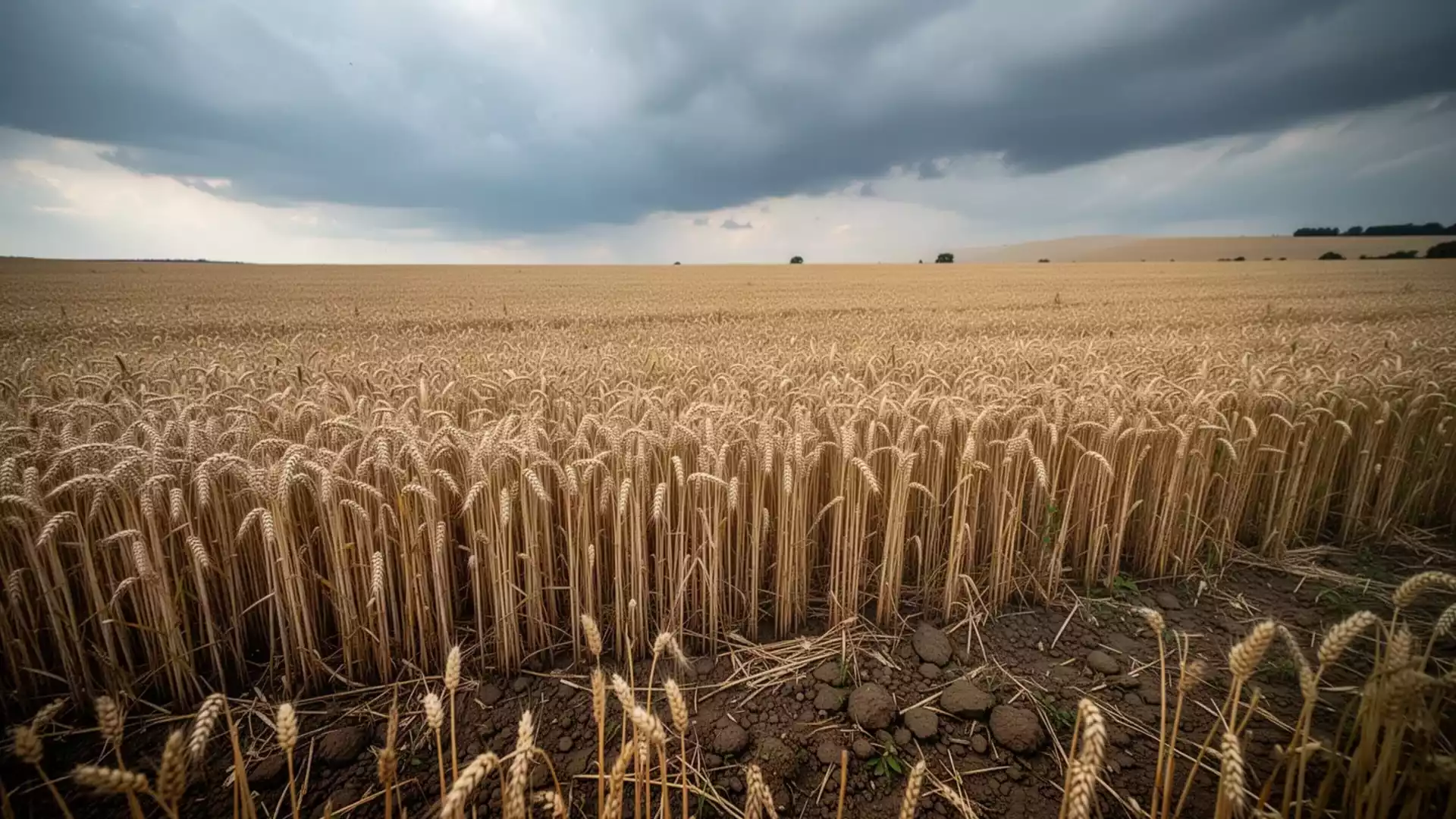
Agricultural production in 2026 has been hit hard by a dry and hot summer. The Chamber of Agriculture reports drought-related losses of between 50 and 70 percent for the autumn harvest. The situation is most critical for potatoes, where regional yields have collapsed from a usual 30 tonnes per hectare to around 10 tonnes, with further parts of the crop rendered unusable by pests such as wireworm. Representatives of the Chamber of Agriculture and the Bauernbund warn that domestic supplies could be exhausted by February at the latest, making increased imports necessary.
Sugar beet volumes are expected to fall by up to 52 percent against the previous year, a decline partly caused by the closure of a large sugar factory in spring 2025. In dairy, exports rose 5.2 percent in the first half to more than one billion euros, but grassland farming is increasingly short of feed because of the heat.
EU push for a food-system action plan
More than 90 organisations and companies are calling at EU level for an action plan for a sustainable food system. A report presented in Brussels urges a shift towards a more plant-based diet in line with the recommendations of the EAT-Lancet Commission. The measures demanded include aligning value added tax rates for plant-based alternatives and integrating sustainability criteria into public procurement for schools and hospitals. Experts argue that the food system is at a turning point and that a binding policy framework for the coming years is essential.