Australian Cherry Crop Forecast to Fall 15% to 18,740 Short Tons on Chill Deficit
USDA's Foreign Agricultural Service forecasts Australia's 2026/27 cherry crop at 18,740 short tons, down 15% from about 22,050 short tons, after a mild winter cut chill-hour accumulation across the eastern mainland. Export volumes are projected to fall 18%. Tasmania, which banked adequate chill, is positioned to hold the late-season Asian window.
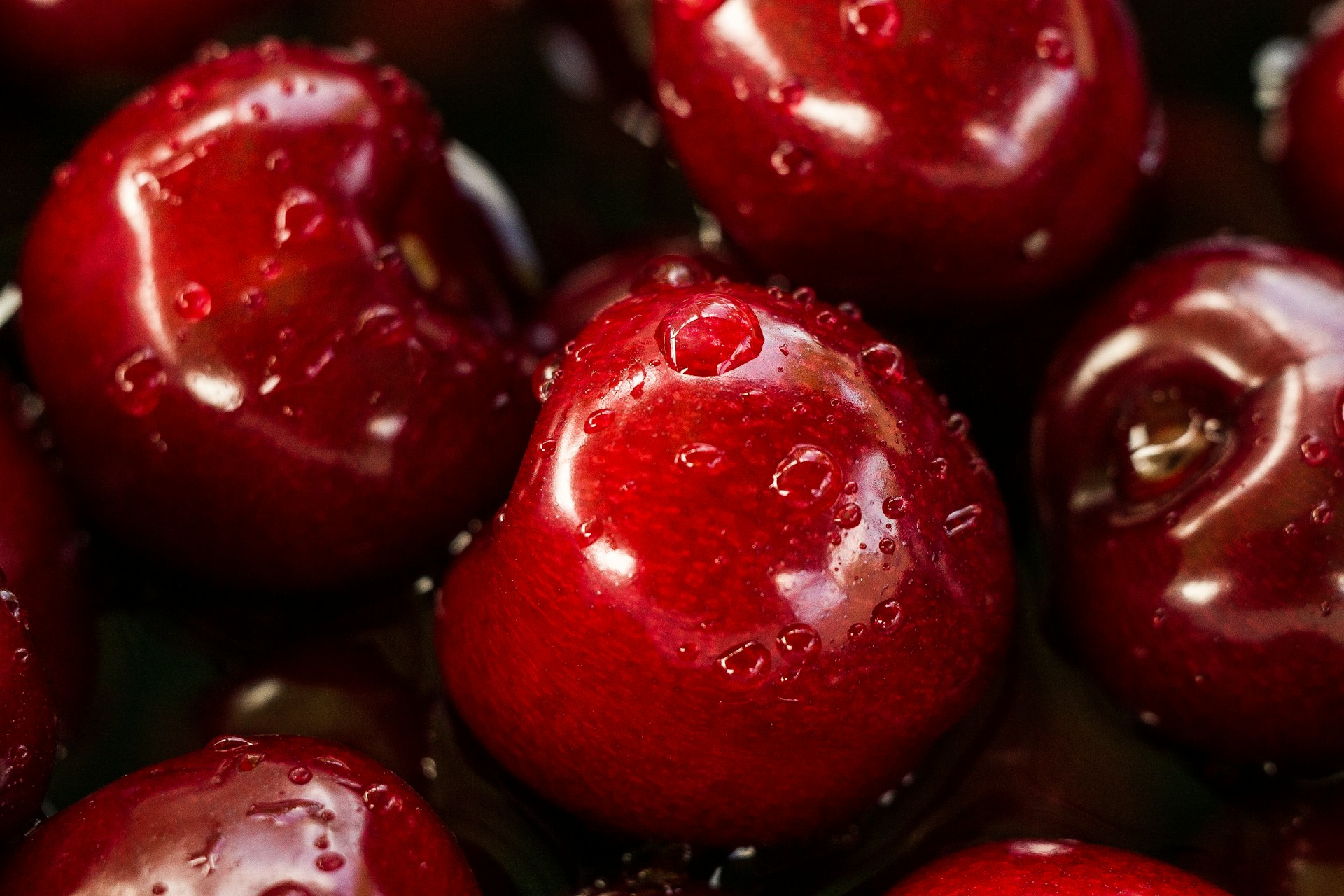
Australia's cherry crop is forecast to fall 15% in the 2026/27 season to 18,740 short tons, down from approximately 22,050 short tons in 2025/26, after an unseasonably mild winter across the eastern mainland left orchards short of the cold they need for a uniform fruit set. The forecast comes from the US Department of Agriculture's Foreign Agricultural Service (FAS) in its latest Stone Fruit Annual, as reported by FreshFruitPortal.
Export volumes are expected to contract faster than production, with FAS projecting an 18% decline for the season. Overall national export availability will move back toward the historical five-year average.
Chill hours are the binding constraint
The shortfall traces to a deficit in winter chill hours — the period trees spend between 36 and 54 degrees Fahrenheit during dormancy, which determines uniform bud break and a strong fruit set. Cherry trees typically require upwards of 800 chilling hours, a threshold eastern mainland orchards did not reach this winter.
Growers in Victoria's Goulburn Valley and central eastern New South Wales recorded above-average minimum winter temperatures, cutting directly into chill accumulation. FAS expects prolonged and uneven flowering as a result. Producers in both regions are increasingly turning to chemical treatments designed to encourage uniform bud burst, adding input costs in a season already carrying high tradable water prices.
Tasmania is the exception
Positioned further south, Tasmania accumulated ample chilling units despite the broader regional warming pattern, and island growers are expected to absorb the national downturn better than their mainland counterparts.
“Tasmania has had a far more favorable start to the season,” said Zeljko Biki, USDA FAS agricultural analyst in Canberra. “The combination of adequate winter chill hours, the prospect of below-average spring rainfall, and ample access to irrigation water supports a positive production outlook with high-quality fruit potential.”
Two harvest windows, two market outcomes
The mainland harvest runs from late October through January, with early-season regions in Queensland, New South Wales, South Australia and Victoria supplying the surge in domestic demand ahead of Christmas. With smaller crop loads and variable fruit sizes expected this season, FAS warns that local retailers are likely to face tighter supply and higher wholesale prices.
The Tasmanian harvest runs from late December through mid-February. That late-season window lines up with peak festive buying in Asia and supports Chinese New Year promotions in key markets including China, Hong Kong, Vietnam and Singapore. Tasmanian exporters are expected to maintain their position in large-caliber, premium-grade fruit even as national volumes contract.
Freight costs and export pricing
High freight rates combined with tight Australian supply mean Asian importers should expect firm export pricing across the 2026/27 campaign, according to the FAS assessment. The season lands against ambitious sector targets: FreshFruitPortal has separately reported that the Australian cherry industry is aiming for 50% export growth by 2030, and that cherry exports from the Tasmania region hit a record $50 million in the 2025/26 season.
For buyers, the practical consequence is a shorter, more concentrated procurement calendar. Mainland fruit will be pulled largely into domestic channels during the pre-Christmas peak, leaving Tasmania to carry a disproportionate share of the export program in January and February. Sizing is the variable to watch: the mainland's uneven flowering points to a wider spread of fruit calibers, and small fruit does not travel well into premium Asian retail. Growers relying on chemical bud-break treatments will also be carrying higher per-hectare costs into a smaller crop, which limits the room to discount.