Australia supplied 75% of Indonesia’s imported salt in 2025
Indonesia imported 2.67 million tonnes of salt in 2025, down 2.8% from the previous year, according to BPS data reported by Databoks. Australia supplied 2.01 million tonnes, equal to about 75% of the total.
Australia takes three-quarters of the market
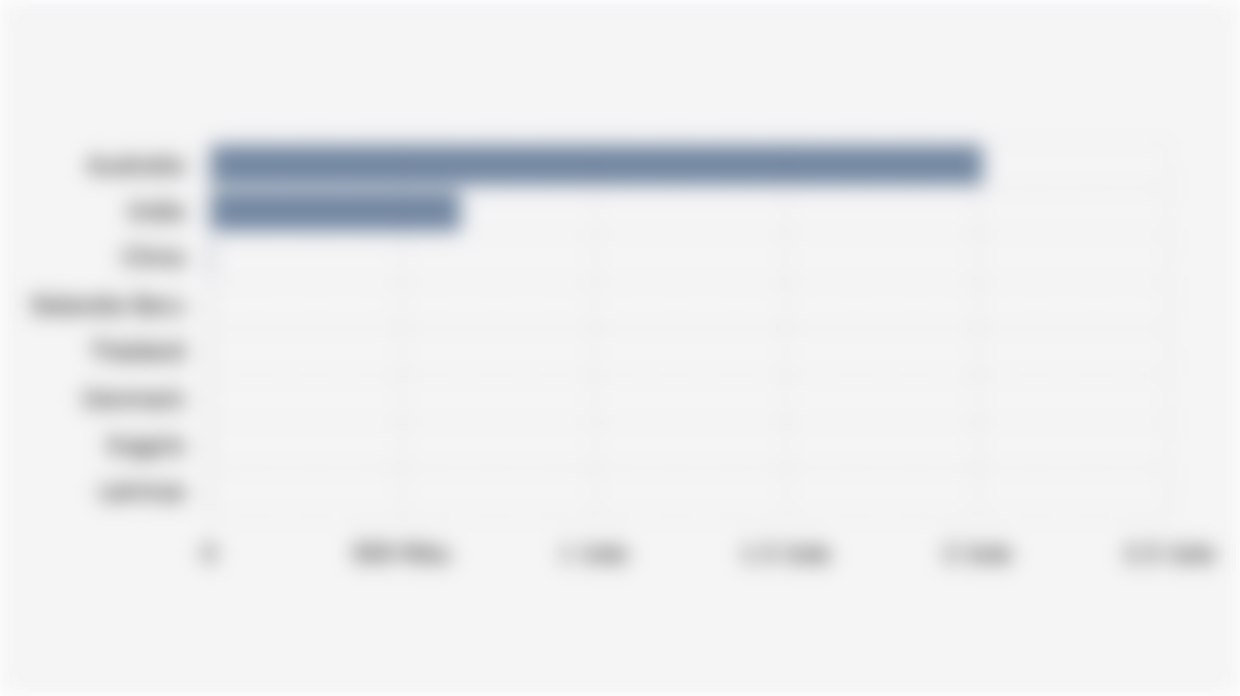
Australia was Indonesia’s largest source of imported salt in 2025, supplying 2.01 million tonnes, according to data from Indonesia’s Central Statistics Agency, BPS, reported by Databoks. That volume represented about 75% of Indonesia’s total salt imports for the year.
Indonesia imported 2.67 million tonnes of salt in total during 2025. The figures show that Australia was not simply the leading supplier but the dominant origin, accounting for three out of every four tonnes entering the Indonesian market.
The concentration leaves approximately one-quarter of imports to all other supplying countries combined. The available source material does not provide their individual volumes, rankings or values, so Australia is the only origin whose contribution can be quantified from the published figures.
Import volume and expenditure decline
Indonesia’s total import volume fell by 2.8% year on year from 2.75 million tonnes in 2024. The country nevertheless continued to purchase more than 2.5 million tonnes abroad, indicating that imported material remained a substantial component of national salt supply in 2025.
The value of salt imports declined faster than physical volume. BPS reported that Indonesia spent US$117.14 million on imported salt in 2025, a decrease of 6.95% from the previous year. The simultaneous falls in volume and value show a smaller import bill alongside a moderate contraction in tonnage.
The source does not provide contract prices, salt grades, freight costs or a breakdown of import value by supplying country. It is therefore not possible to determine from these figures alone whether the larger fall in value reflected changes in product mix, supplier pricing, logistics expenses or other commercial terms.
Supply concentration matters for industrial buyers
For Indonesian processors and other large salt users, Australia’s 75% share makes continuity of Australian supply particularly important. Disruptions affecting production, shipping or commercial availability in Australia could have a disproportionate effect on Indonesian importers because alternative origins collectively supplied only about one-quarter of the market.
For Australian producers and exporters, shipments of 2.01 million tonnes confirm Indonesia as a major destination within the trade covered by the data. The relationship also gives Australian suppliers significant exposure to changes in Indonesian import demand, procurement policy and domestic salt availability.
The 2.8% reduction in total imports should be read as a modest annual decline rather than evidence that foreign supply has become marginal. Indonesia still imported 2.67 million tonnes in 2025, and Australia remained responsible for most of that volume. Future changes in the supplier mix will determine whether this concentration persists or whether Indonesian buyers diversify a larger portion of their purchases.