Assam sets annual paddy procurement target of one million metric tons
Assam has set a target to procure one million metric tons of paddy annually, Chief Minister Himanta Biswa Sarma said. The program is intended to support minimum prices for farmers and could increase the state’s role in managing regional rice supplies and government stocks.
Assam raises its procurement ambition
Assam’s government has set a target to procure one million metric tons of paddy every year, according to a statement by Chief Minister Himanta Biswa Sarma reported by Bhaskar Hindi. The goal represents a substantial commitment to direct public purchasing in a state where paddy is a central agricultural crop.
The announced volume is a target rather than a reported procurement result. The available information does not specify a starting date, purchasing schedule, budget, procurement agencies or the quantity bought in previous years. Those details will determine how quickly the program can be implemented and how broadly its benefits reach farmers across Assam.
Minimum-price support depends on execution
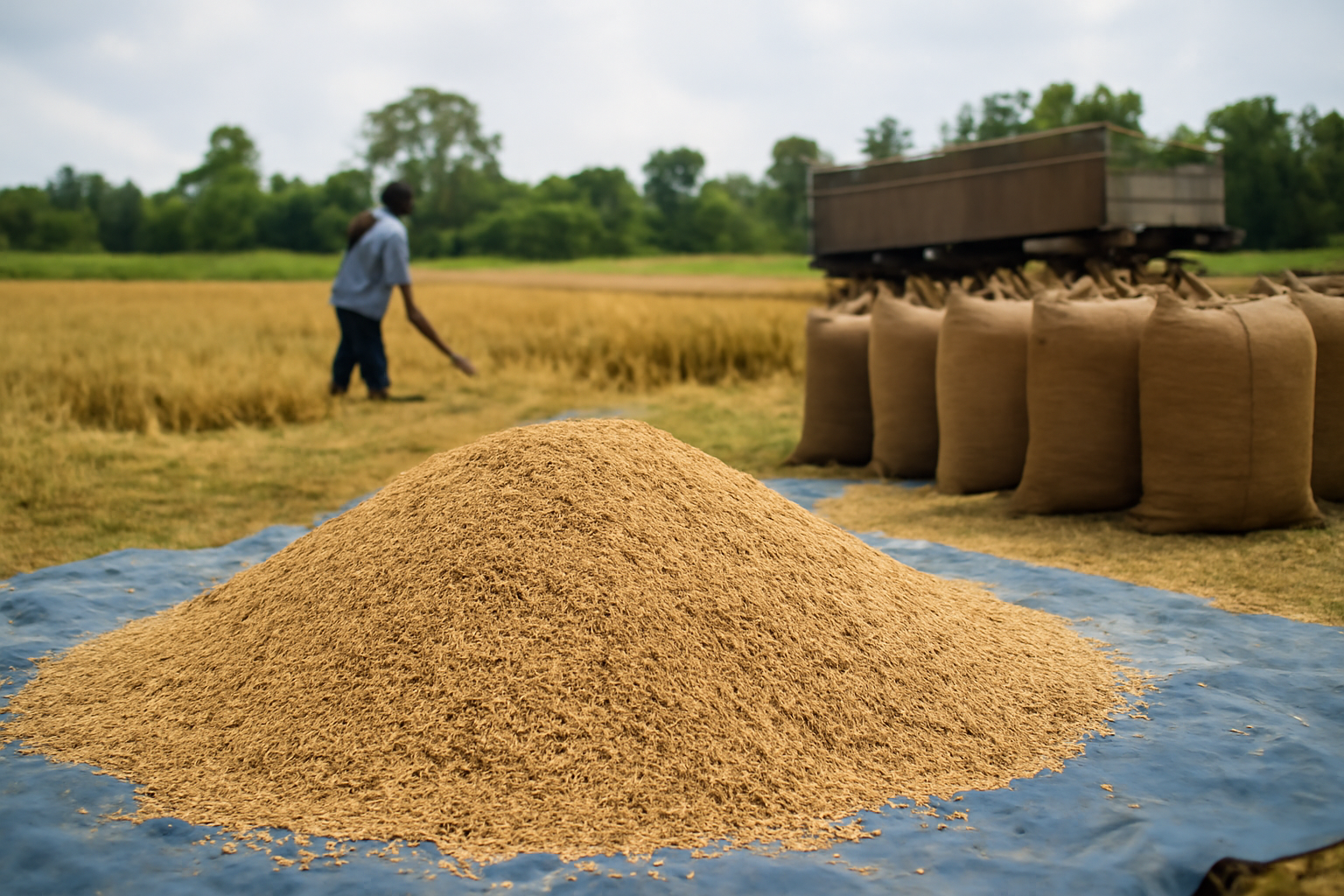
The principal purpose of the initiative is to help farmers receive the applicable minimum support price. Public procurement can give growers an alternative to selling immediately to private buyers, particularly when market arrivals are concentrated after harvest. Its effect will depend on whether purchasing centers are accessible, payments are made promptly and quality requirements allow small and medium-sized producers to participate.
A target of one million metric tons also creates significant operational requirements. Paddy must be collected, weighed, tested, transported and stored before milling. Procurement capacity therefore has to be matched by warehouses, handling infrastructure and arrangements with rice mills. If any part of that chain is insufficient, purchases may fall short of the target even when farmers have grain available for sale.
Implications for rice availability and stocks
Higher government purchases could increase the amount of rice entering public channels after the procured paddy is milled. This may strengthen stocks available for food-distribution programs and improve the state’s ability to manage periods of tighter regional supply. The final contribution to rice inventories will depend on milling yields and losses, neither of which was provided in the announcement.
The policy may also affect private processors and traders. When the government becomes a larger buyer, mills and merchants may face stronger competition for marketable paddy, especially during the main procurement period. At the same time, millers contracted to process public grain could receive more throughput. The balance will depend on purchase timing, quality specifications and the allocation of procured volumes among mills.
Market participants await implementation details
For farmers, the key indicators will be the number and location of procurement centers, the purchasing window, payment times and enforcement of the minimum price. For processors, the important questions concern milling contracts, delivery schedules and storage capacity. Government agencies will need to coordinate these elements each year if the annual target is to translate into completed purchases.
The announcement establishes the scale of Assam’s ambition but not yet its outcome. Actual procurement volumes, farmer participation and the movement of milled rice into government stocks will provide the clearest measures of whether the one-million-metric-ton goal supports prices and improves regional availability.