ARN Foods acquires 120-tonne-per-day rice mill in Abuja as Lagos plant nears completion
A.R.N. Foods Limited has bought a rice milling facility in Abuja with a rated capacity of 120 metric tonnes per day, in a deal the company described as multi-billion-naira. Production has already started at the plant, which can process up to 3,000 bags of rice daily. A second mill in Epe, Lagos State, is more than 90 per cent complete and is scheduled to launch in December 2026.
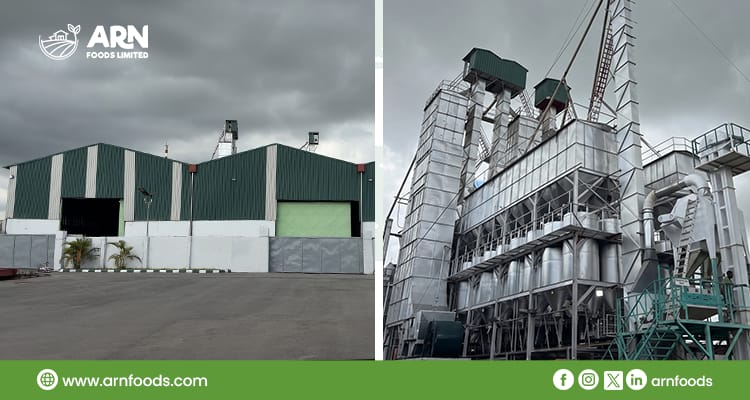
A.R.N. Foods Limited, a Nigerian agricultural commodities trading and processing company, has acquired a rice milling facility in Abuja with a rated capacity of 120 metric tonnes per day, Nairametrics reported. The company said the transaction was worth several billion naira and that production at the plant has already started.
Abuja mill already in production
In a statement issued on Tuesday, ARN Foods said the facility stands on a 20,000-square-metre plot and can process up to 3,000 bags of rice a day. The acquisition is part of an effort to raise the company’s processing capacity and to contribute to food security in Nigeria, according to Nairametrics.
The statement described the deal only as a multi-billion-naira acquisition. It did not name the seller, disclose a price, or specify the weight of the bags behind the daily figure of 3,000 bags, leaving the implied cost per tonne of installed capacity unquantified.
Nola Adetola, Chairman of the Board of Directors at ARN Foods, said the investment would help the company build capacity and supply quality rice at affordable prices. “We are glad to announce that production has started at our new Abuja facility. Our customers can expect greater access to high-quality rice at an affordable price. That is what we are known for; giving people access to good-quality food without making it unnecessarily expensive,” he said. “As a company, our mission goes beyond selling rice. We want to contribute meaningfully to food security in Nigeria and across Africa.”
Epe plant more than 90 per cent complete
The Abuja acquisition sits alongside an ultra-modern mill that ARN Foods is building in Epe, Lagos State. That project is more than 90 per cent complete and is expected to be launched in December 2026, the company said. It is being developed on a 22,000-square-metre site and will also process up to 3,000 bags of rice a day.
Once the Lagos plant starts, ARN Foods’ combined milling capacity across Abuja and Lagos will reach 6,000 bags a day. The two locations give the company processing points in the federal capital in the centre of the country and in the main commercial and port city in the southwest, shortening the haul to two separate consumption clusters.
Sourcing, distribution and commodity mix
The company has also established a distribution centre in Sagamu to improve access to ARN Rice across different locations. Distribution matters for a miller scaling output: milled rice moves in high volume on thin margins, and throughput converts into revenue only if off-take keeps pace with the mill.
ARN Foods’ operations span commodity trading, agricultural sourcing and processing, covering rice, maize, sorghum, soybeans and sesame. That mix gives the company exposure to both domestic staples and internationally traded crops: sesame and soybeans move across borders in volume, while rice, maize and sorghum are consumed largely within the region.
For a business that already sources agricultural commodities directly, owning a mill shifts value capture from the paddy trade into the finished product. Buying an operating asset rather than building one also compresses the timeline: the Abuja plant is running now, while the greenfield site in Epe still carries a December 2026 target.
What to watch
Two conditions will determine whether the new capacity turns into output. The first is paddy supply: a line rated at 120 metric tonnes per day requires a steady daily inflow of rough rice, and ARN Foods’ own sourcing network is the channel for that. The second is the December 2026 schedule in Epe, which the company has stated but not yet met. Until the Lagos mill opens, the 6,000-bag figure remains a target rather than installed running capacity.