Argentina’s pork consumption rises 171% in 20 years as cheaper cuts challenge beef
Argentina’s annual pork consumption has risen sharply over two decades as a widening price gap with beef changes household purchasing. Fresh pork cuts are gaining retail space, while growing beef imports add another source of competition in the country’s meat market.
Pork gains ground in Argentina’s meat market
Argentina’s pork consumption increased 171% over the past 20 years, reflecting a sustained change in a national diet traditionally dominated by beef. Agriculture, Livestock and Fisheries Secretariat data cited by iProfesional show consumption rising from 6.22 kilograms per person in 2006 to 18.89 kilograms in 2025. More recent market estimates put annual consumption above 20 kilograms per person.
Over the same period, beef consumption fell to 47.3 kilograms per person, its lowest level in two decades, according to data from the Argentine Chamber of Meat Industry and Trade, known as Ciccra. Pork therefore remains well below beef in total consumption, but its growth has made it a practical substitute in everyday meals and at traditional barbecues.
Price gap drives household demand
Price is the main force behind the shift. A kilogram of beef currently averages $18,564, compared with $8,944 for pork ribs and $4,822 for fresh chicken, iProfesional reported. Agustín Seijas, executive director of the Federación Porcina, said the historical price difference between beef and pork was around 30%, but at times this year it reached 120%. In February 2026, three kilograms of pork ribs cost approximately the same as one kilogram of beef ribs.
The divergence widened during 2025. Figures from the Argentine Chamber of Processed Meat and Pork Industries, Caicha, show beef prices increasing 56.8%, against annual inflation of 31.5%. Pork rose 29.4%, while chicken gained 19.2%. The slower increase gave pork producers and retailers a stronger position among consumers seeking to reduce food expenditure without removing animal protein from their diets.
Fresh cuts reshape retail supply
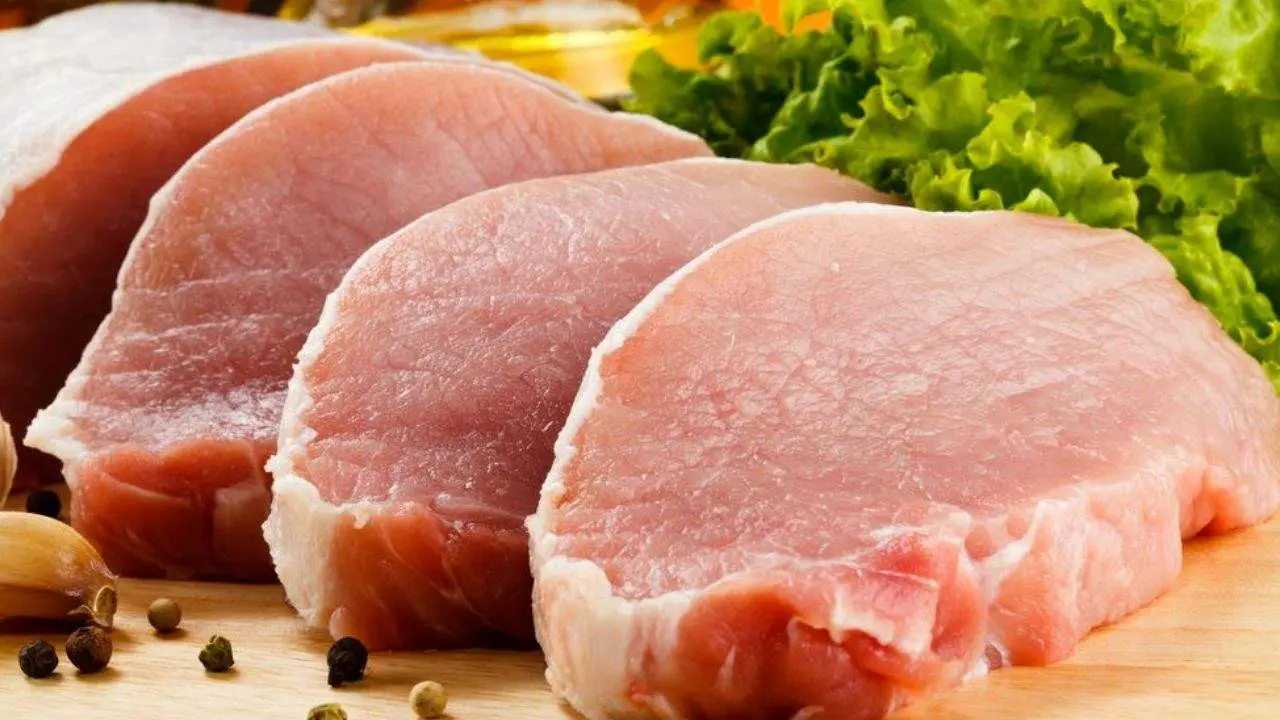
Demand growth is changing how processors and butchers allocate the carcass. Cuts from the leg that were previously directed mainly to sausages and other processed meats are increasingly being sold fresh. These include topside, knuckle, silverside, rump and loin. Pork ribs have emerged as a direct alternative to beef ribs, while several leg cuts are increasingly used for breaded cutlets.
Seijas also linked stronger demand to changing perceptions of pork’s nutritional qualities. He cited a study by Argentina’s National Institute of Industrial Technology, or INTI, which found that pork fats are healthy and comparable with those in olive oil. Pork also provides high-value protein, essential minerals and natural creatine, helping the industry address older negative perceptions and promote lean cuts to physically active consumers.
Beef imports add pressure to the market
The adjustment is occurring as Argentina also imports more beef to moderate domestic prices. Annual imports, historically around 500 tonnes in exceptional periods, rose to 32,000 tonnes last year and are projected to reach 65,000 tonnes this year, Andrés Costamagna of the Argentine Rural Society told iProfesional. Brazil supplies 80%, followed by Paraguay and Uruguay.
Brazilian tenderloin enters supermarkets at an estimated cost of $9,000 per kilogram and is sold for between $20,000 and $23,000. Other imported cuts include rib cap at an average of $13,000 and topside at $14,000-$16,000 per kilogram, around 25% below equivalent Argentine cuts. Pork must therefore compete not only with domestic beef and chicken, but also with a growing flow of lower-cost regional beef.
For producers and processors, the consumption trend creates opportunities in fresh-cut distribution while potentially reducing the volume available for processed meat. Retailers gain a wider range of proteins and price points. Beef suppliers, meanwhile, face pressure from both a rapidly expanding domestic pork category and imported cuts entering Argentina’s supermarket chains.