Argentina’s goat meat export revenue rises 380% as volumes and unit values climb
Argentina’s goat meat export revenue reached USD 715,000 in 2026, rising 380% as shipment volume increased 186% and values per tonne gained 68%. Saudi Arabia and Oman accounted for a combined 64% of exports, while higher production and slaughter supported overseas sales.
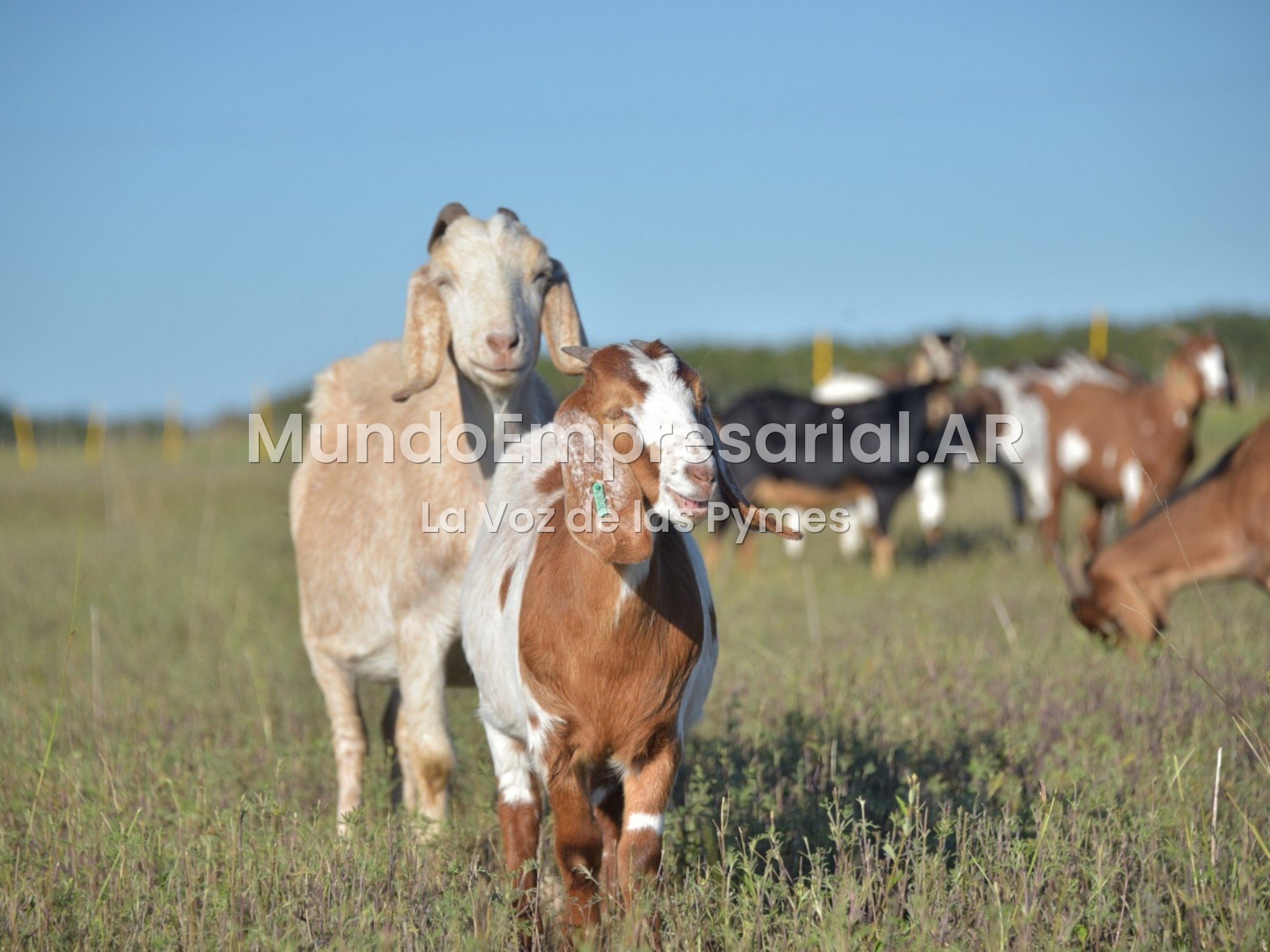
Export revenue reaches USD 715,000
Argentina’s goat meat export revenue increased 380% in 2026 to USD 715,000, according to Mundo Empresarial. The rise reflected gains in both the amount of meat shipped and its value: export volume grew 186%, while values per tonne increased 68%.
The figures indicate that the expansion was not driven solely by additional supply. Argentine exporters sold substantially more goat meat while also obtaining higher unit values, multiplying the revenue generated by the trade. For producers and processors, that combination offers a stronger commercial signal than volume growth alone because it suggests that overseas demand absorbed additional output without requiring lower values per tonne.
The revenue base nevertheless remains relatively small. This means individual contracts, shipment schedules and access to a limited number of destination markets can have a large effect on annual percentage changes. Suppliers assessing the increase will therefore need to distinguish between repeat demand and one-off transactions before committing capital to a major expansion.
Middle Eastern buyers dominate shipments
The Middle East is the principal market for Argentine goat meat. Saudi Arabia accounted for 36% of exports and Oman for 28%, giving the two countries a combined share of 64%. Sri Lanka and Qatar were also identified among the largest buyers.
This concentration gives Argentine suppliers access to markets with established demand for goat meat, but it also creates exposure to purchasing decisions in a small group of countries. Any change in orders, import conditions or buyer requirements in Saudi Arabia and Oman could materially affect Argentina’s export performance. For overseas buyers, the sharp increase in Argentine shipments introduces an additional source of supply and may broaden procurement options.
Maintaining these sales will depend on processors’ ability to meet destination-market specifications and preserve reliable delivery. Expanding sales to additional markets could reduce dependence on the leading buyers, although Mundo Empresarial did not identify any new destinations or market-access agreements.
Production and slaughter support export growth
Domestic supply indicators also moved higher. Production of bone-in goat meat rose 37.7% compared with 2025, while the number of goats slaughtered increased 18.4%. Production therefore grew faster than slaughter, supporting the larger volume available for sale and pointing to a higher amount of bone-in meat produced relative to the increase in processed animals.
The production increase was much smaller than the reported 186% rise in exports, suggesting that foreign sales expanded from a limited base and absorbed a larger share of available output. The source does not provide absolute production, slaughter or shipment volumes, so the scale of that shift cannot be calculated.
Small suppliers face an investment test
The immediate opportunity is concentrated among livestock producers, slaughterhouses and small and medium-sized companies capable of serving export channels. Higher volumes and unit values can improve revenue prospects and reduce reliance on Argentina’s domestic market. They can also encourage investment in processing efficiency, technology and workforce training.
The challenge is to match investment with durable demand. The 380% revenue increase is significant, but total earnings of USD 715,000 show that the export segment is still developing. Companies must weigh the cost of additional capacity and compliance against a trade flow led by four named markets and dominated by two. Continued production growth, repeat orders and broader market access will determine whether the 2026 surge becomes a lasting expansion for Argentina’s goat meat chain.