Angola seeks $1.4bn in agribusiness investment as land tenure concerns persist
Angola is promoting a $1.4 billion agribusiness opportunity to Brazilian and other foreign investors. State ownership of land and limited access to credit remain central concerns despite long-term concession rules and government efforts to expand agricultural finance.
Angola presents a $1.4 billion opportunity
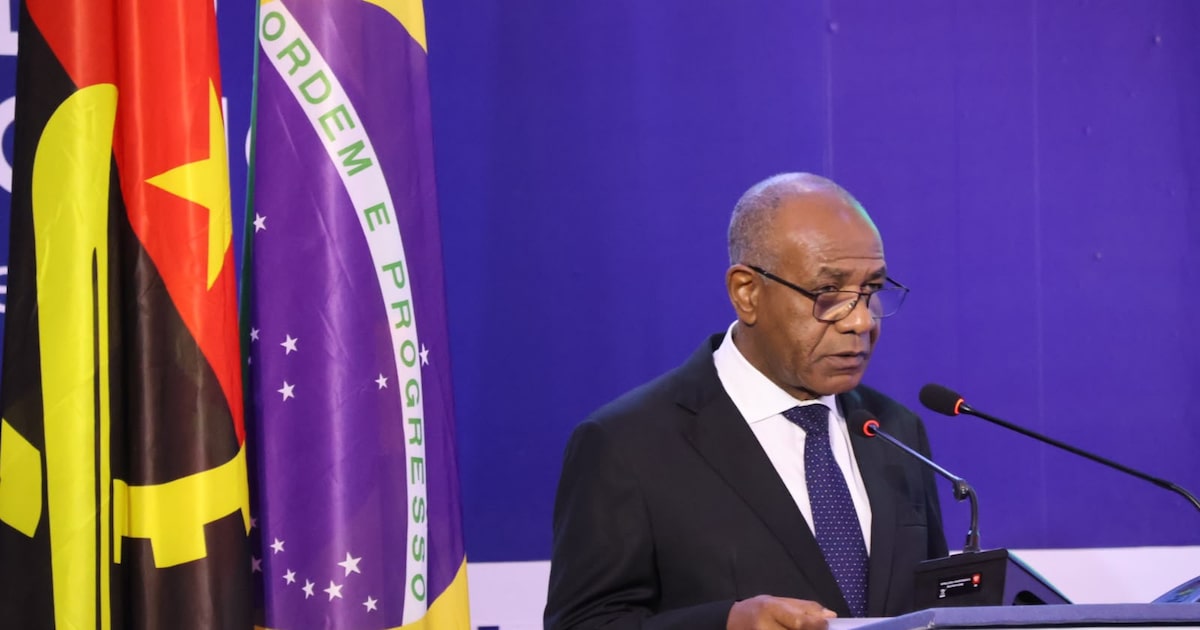
Angola is seeking Brazilian investment in an agribusiness market that Agriculture and Forestry Minister Isaac dos Anjos values at $1.4 billion. The country is positioning itself as a potential production hub for African markets, while Chinese, Portuguese and Brazilian investors have shown interest in Angolan farmland, according to Estadão.
Dos Anjos said Angola is ready to receive investors but will not accept investment at any cost. He also pushed back against complaints from Brazilian participants about legal uncertainty. Land in Angola belongs to the state and is granted to farmers through concessions, rather than transferred as private property.
The minister said a bilateral agreement reached during a visit by then Brazilian Agriculture and Livestock Minister Carlos Fávaro had already provided land for production by Brazilian companies. He argued that Brazil is an important partner but not Angola’s only option, given interest from other countries.
Land rules complicate collateral and farm finance
The dispute came into focus when former Brazilian agriculture minister and former senator Katia Abreu asked whether Angolan land could be pledged as collateral for bank loans. She noted that Brazilian agribusiness currently benefits from lower, government-subsidized interest rates and that producers generally use their harvest as collateral, although land played that role during the sector’s earlier development.
Brazilian producers regard state ownership of land as a source of legal risk and an obstacle to obtaining production credit. João Doria, president of Lide Global, offered a different assessment. He said Angola’s current regulations allow agricultural projects to operate under 60-year concessions that can be renewed for another 60 years, providing sufficient legal security in his view.
Joaquim Quintas, chairman of the executive committee of the Development Bank of Angola, said land ownership is not an issue for the institution and that banks have strong interest in financing agriculture. He identified the limited use of formal banking services by producers as the main barrier. Agriculture currently accounts for 6% of the bank’s credit portfolio, and the target is to raise that share to 15%. Local producers at the forum nevertheless repeatedly complained about inadequate access to credit.
Poultry production and employment drive urgency
Dos Anjos identified poultry as one area open to foreign participation. He said Angola was prepared to produce at least 180 million tonnes of chicken, compared with 600 million tonnes that the country currently imports. These figures were presented by the minister and reported by Estadão. He said establishing successful businesses representing 20% of that amount could encourage other investors to enter the market.
Abreu said Angola’s urgency reflects the need to create employment for thousands of people under 25. She also pointed to the Schmidt family of Grupo Schmidt Agrícola as an example of producers visiting the region to assess opportunities. Following meetings between a Brazilian business delegation and the Angolan government, the Angola-Brazil Chamber of Commerce and Lide Angola signed a memorandum of understanding intended to attract Brazilian investment. Whether those discussions become operating farms will depend heavily on concession terms, bankable guarantees and practical access to credit.