Ample Pulse Stocks Reduce India’s Risk of Another Price Surge, RBI Research Finds
India’s larger pulse harvests, buffer stocks and subsidized sales have reduced the risk of another sharp increase in prices, according to RBI research reported by Jagran. Total pulse production rose from 14.8 million tonnes in 2007-08 to 23.4 million tonnes in 2023-24, while the government prepared a 4.3 million-tonne stock for 2026-27.
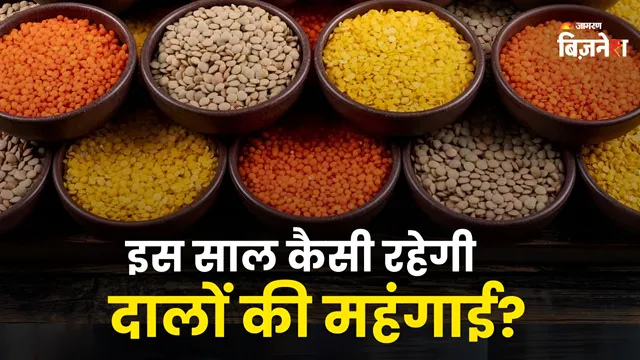
Higher production strengthens domestic supply
India’s expanded pulse production, government buffer stocks and subsidized distribution programs have reduced the likelihood of another sharp increase in pulse prices, according to research by the Reserve Bank of India reported by Jagran. The study, “Pulses Inflation in India: A Study of Gram, Tur and Moong,” identifies production, available stocks, imports and government intervention as the main forces shaping prices.
Total pulse production increased from 14.8 million tonnes in 2007-08 to 23.4 million tonnes in 2023-24. Gram output rose from 5.7 million tonnes to 12.1 million tonnes over the same period, while moong production more than doubled. This growth has widened domestic availability and made the market less exposed to the supply shortages that can quickly pass through to consumer food inflation.
Buffer policy developed after the 2015-16 surge
The government has combined production support with direct market management. Measures cited in the research include the National Food Security Mission, increases in minimum support prices, the creation of buffer inventories and the release of pulses when market supplies tighten. After the steep price increase in 2015-16, authorities strengthened the buffer-stock policy and expanded procurement through the National Agricultural Cooperative Marketing Federation of India, or NAFED.
NAFED can release inventories into the market when prices require intervention. The government has also offered lower-priced pulses to consumers through programs such as Bharat Dal. Stock limits have periodically been imposed to discourage hoarding, while import rules have been adjusted when additional foreign supply was needed. Together, these instruments affect farmers, processors, wholesalers and retailers as well as households.
Stock-to-use ratio remains the key signal
The RBI research finds a direct relationship between pulse inventories and prices: pressure eases as the stock-to-use ratio rises. A larger supply cushion gives authorities more room to respond to crop losses or temporary distribution problems without relying exclusively on imports. Effective import management remains important, however, because domestic production and buffers cannot eliminate weather-related risk.
Jagran also reported that lower rainfall and drought associated with El Niño had been forecast for 2026. Against that background, the government had already strengthened its pulse buffer. Information attributed to the Ministry of Agriculture put the stock for 2026-27 at 4.3 million metric tonnes. The figure indicates a substantial intervention reserve, although the timing and composition of any releases will determine how strongly it influences individual markets for gram, tur and moong.
Inflation risk is lower, not absent
The production gains of the past decade and a half have changed India’s pulse supply position, but price stability still depends on execution. Procurement must build reserves without depriving commercial channels of supply, releases must reach the market before shortages become entrenched, and import decisions must account for both consumer costs and returns to domestic growers.
For processors and traders, the central implication is that a repeat of an uncontrolled price spike is less likely when inventories are ample and the government can sell directly into the market. For producers, higher minimum support prices and NAFED procurement provide demand support, although large releases or easier imports can restrain open-market prices. The RBI study therefore points to coordinated management of output, imports and buffers—not production growth alone—as the basis for containing pulse inflation.