Almaty Region Expects 100,000-Tonne Apple Harvest, About 20% Earmarked for Export
Fruit growers in Kazakhstan's Almaty region expect to harvest around 100,000 tonnes of apples this season, with nearly 80% destined for the domestic market and the rest for export. Orchards cover more than 6,000 hectares, and Enbekshikazakh district alone accounts for over 30,000 tonnes a year. A temporary ban on apple imports into Kazakhstan runs until the end of the year.
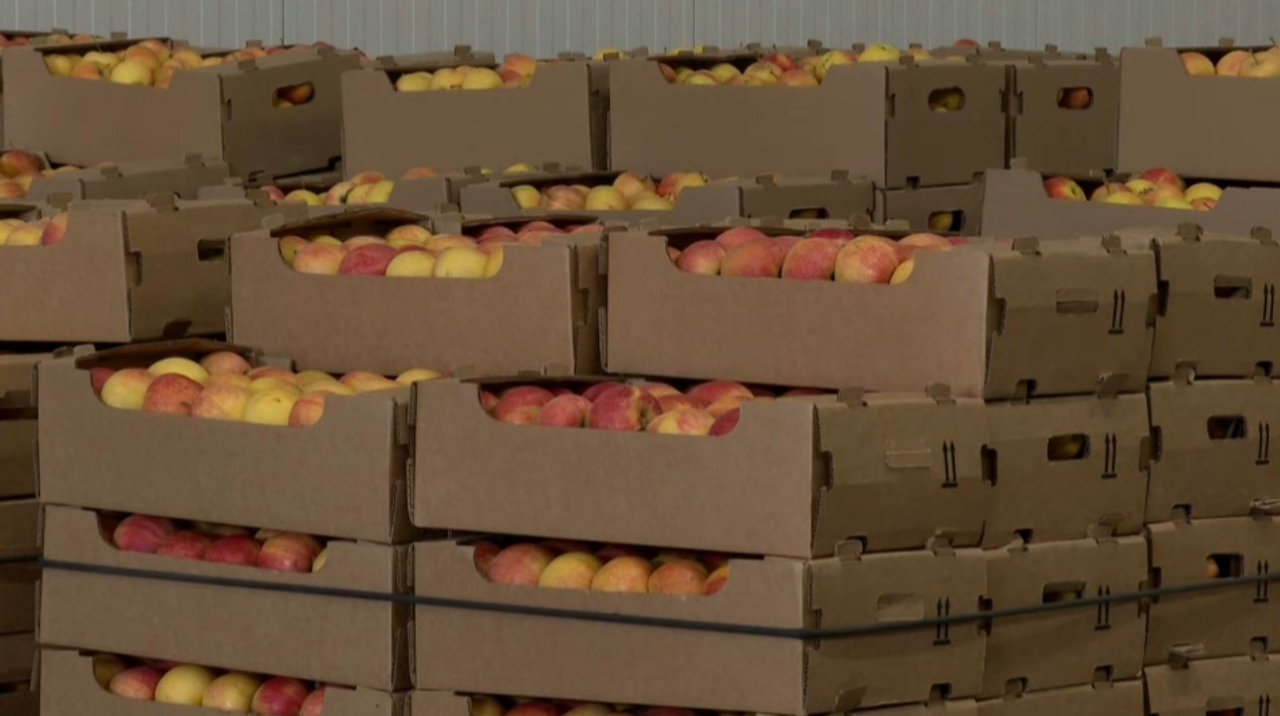
About 100,000 tonnes expected this season
Fruit growers in Kazakhstan's Almaty region expect to harvest around 100,000 tonnes of apples this season, with picking at its peak, 24.kz reported. Nearly 80% of the crop is earmarked for sale on the domestic market, while the remainder is set to be exported.
On that split, roughly 80,000 tonnes would stay inside Kazakhstan and about 20,000 tonnes would be available for export. 24.kz did not identify destination markets for the export volume or give a value for it.
The figure also sits above the region's recent average. Over the past three and a half years, growers in the Almaty region have harvested almost 300,000 tonnes of apples, an average of roughly 85,000 tonnes a year.
Enbekshikazakh district leads regional output
Apple orchards now cover more than 6,000 hectares in the region, which grows 21 varieties in total, according to 24.kz. Enbekshikazakh district remains the production leader with more than 30,000 tonnes a year, close to a third of the regional forecast.
One farm in the district, which has grown apples since 2017, shows what that output looks like at farm level. Its orchard covers 106 hectares and carries nine varieties, and around 100 seasonal workers are taken on for picking. The farm finished this year's harvest shortly before the 24.kz report and has moved to sorting and grading fruit for delivery to retail outlets. It brought in about 2,500 tonnes, equivalent to around 40 tonnes per hectare depending on the variety, and sells the entire crop on the domestic market. Spread across more than 6,000 hectares, a 100,000-tonne regional crop implies an average of under 17 tonnes per hectare, well below the 40 tonnes reported by that farm.
A representative of the farm told 24.kz the result was broadly in line with last year's despite difficult weather, with intense summer heat causing extensive sunscald damage to the fruit.
Irrigation technology and state support
Yields in the region have doubled, helped by the introduction of modern irrigation systems. Yerlan Zhuldyzuly, head of the crop production development department of the Almaty region, said the state covers a large share of the cost for farms that adopt water-saving technology:
- up to 80% of the outlay is reimbursed;
- 50% comes from the republican budget and 30% from the local budget;
- farm machinery can be bought at a preferential rate of 5%.
For an orchard business, that combination lowers both the capital cost of converting to drip or micro-irrigation and the cost of mechanising sorting and handling, the two items that typically decide whether per-hectare yields can be lifted.
Import ban in force until the end of the year
Kazakhstan currently applies a temporary ban on apple imports that runs until the end of the year. The Ministry of Agriculture says the restriction is intended to support domestic orchards during the harvest period, 24.kz reported.
The ban and the harvest overlap directly: around 80,000 tonnes of regional apples are heading to the domestic market at a time when imported fruit cannot enter. For importers and foreign suppliers, access resumes only once the measure expires at the end of the year, by which point most of the Kazakh crop will already have been sold or placed into storage.