AGOA extension could preserve South African farm access to US market
US Senate support for a two-year AGOA extension could help South African agricultural exporters retain preferential access to the US market. The decision is particularly important for raisins, table grapes, citrus, nuts and wine, although the renewal process is not yet complete.
Senate backs a two-year extension
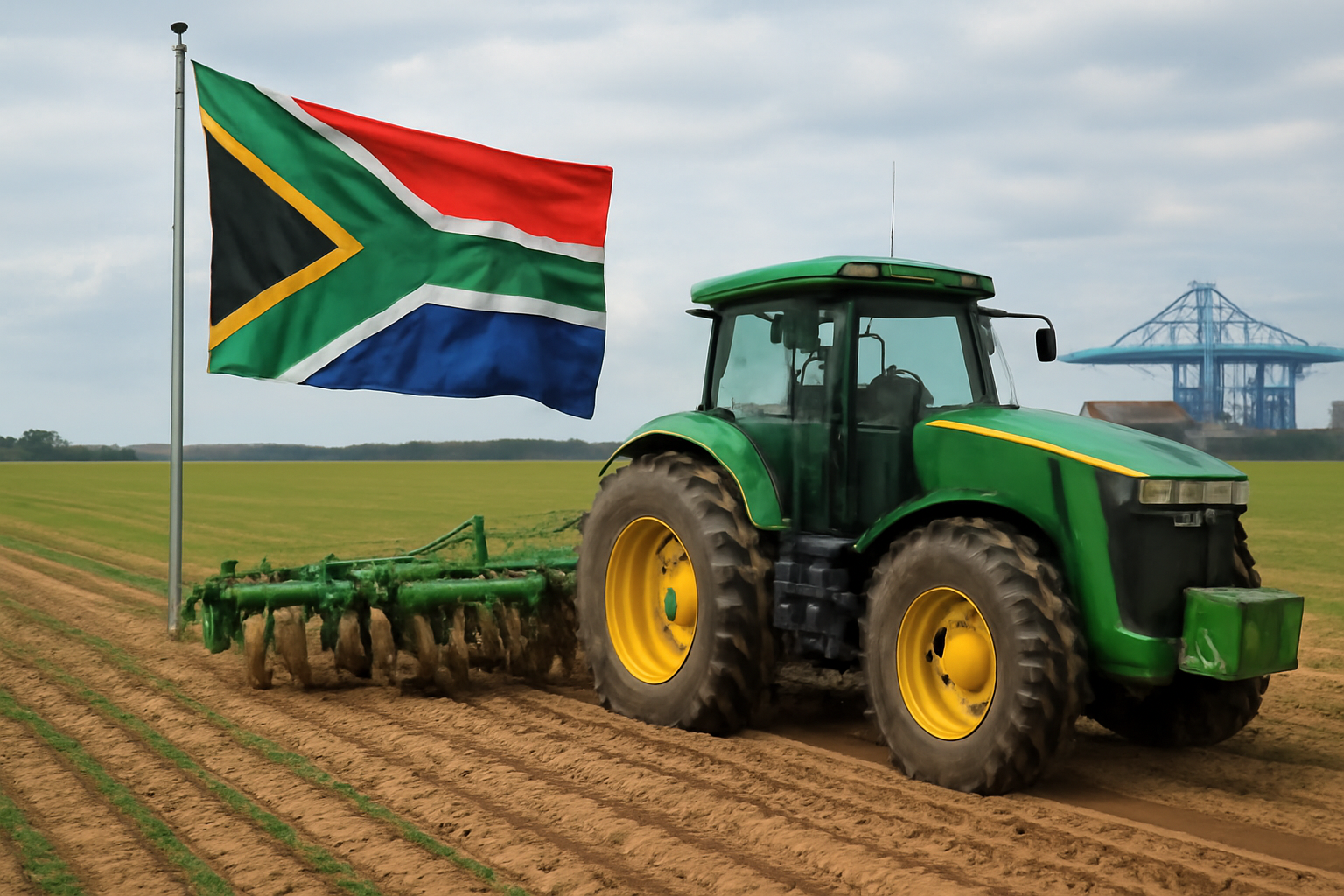
US Senate support for extending the African Growth and Opportunity Act for another two years could preserve an important competitive advantage for South African agricultural exporters. South Africa remains included in the proposed renewal, although the legislative process is not complete and further steps are required before the bill can reach the US president for approval.
AGOA gives eligible sub-Saharan African countries preferential access to the US market. Its continuation matters for South Africa at a time when tariffs and geopolitical tensions are complicating trade planning. According to a report published by Bizcommunity and distributed by SyndiGate Media, South African products shipped to the US would typically face an additional tariff of around 3%, depending on the product, without AGOA. Combined with new tariffs of 12.5%, the total burden could rise to around 15.5%.
Several farm sectors depend on US buyers
The US accounts for just over $500 million of South African agricultural exports annually, equivalent to about 4% of the country’s total farm exports of approximately $15.1 billion. While this share is limited at the national level, exposure is concentrated in specific value chains. Raisins, table grapes, citrus, nuts and wine are among the sectors for which access to US buyers remains particularly important.
Preferential treatment under AGOA keeps affected South African products on roughly equal tariff terms with competitors such as Chile and Peru, at 12.5%, according to the report. Without the program, the additional duty could weaken margins or force suppliers to raise prices, making South African produce less competitive. The uncertainty also complicates decisions on contracts, packing programs, logistics and market allocation for exporters whose production cycles extend beyond a single season.
China offers growth, but not a substitute
Some industry participants have argued that South African agriculture should place greater emphasis on China. The zero-tariff provisions of the China-Africa Partnership Agreement for Shared Prosperity could support that strategy. However, the report argues that China should expand South Africa’s portfolio of destinations rather than replace established markets. Maintaining access across the US, China and other destinations allows producers and traders to spread commercial and political risk.
The effect of AGOA must also be assessed alongside changes in broader US tariff policy. The US has exempted several food and agricultural products from tariffs, including coffee, tea, fruit juices, cocoa, spices, avocados, bananas, coconuts, guavas, limes, oranges, mangoes, plantains, pineapples, various peppers, tomatoes, beef and additional fertilisers. Those exemptions reduce trade friction for covered goods, but they do not eliminate the value of AGOA for other South African exports. Until the extension completes the legislative process, agricultural businesses must continue planning around two possible tariff structures. Renewal would preserve competitiveness in established US niches; failure would add costs to sectors that cannot immediately redirect all output to alternative markets.