Afghanistan-Pakistan border closures disrupt trade and deepen losses
Nearly a year of border closures has halted land trade and transit between Afghanistan and Pakistan. Pakistani traders report losses across exports, transit services and poultry, while Afghan businesses face container charges and the loss of low-cost routes.
Land trade remains suspended
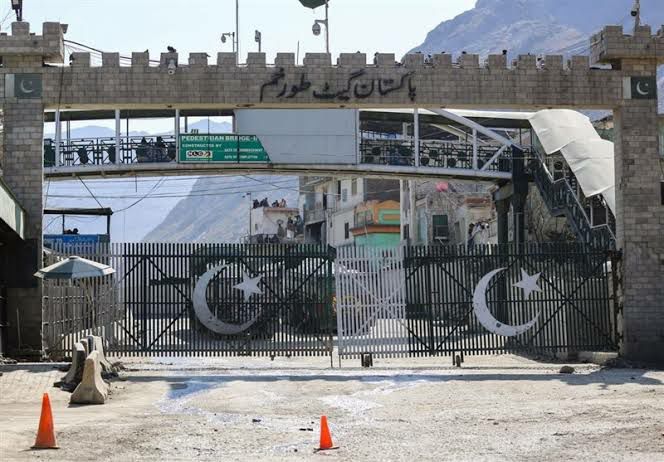
Land trade, transit and passenger movement between Afghanistan and Pakistan have been suspended for nearly a year amid political disagreements between Pakistan and the Taliban, Shafaqna Afghanistan reported. The closures have affected bilateral commerce, agriculture, poultry production and border employment, while businesses on both sides have sold some goods below their purchase price.
Zia-ul-Haq Sarhadi, senior vice president of the Pakistan-Afghanistan Joint Chamber of Commerce and Industry, said Pakistan previously exported about $1.5 billion of goods to Afghanistan annually. He estimated that Pakistani traders lost nearly $1 billion from this business during the past 10 months. Pakistan also shipped about $800 million of goods each year through Afghanistan to Central Asia; the suspension of that route caused an estimated $225 million in losses for Pakistani exporters over the same period.
Containers and transit costs rise
Afghan cargo traditionally generated substantial business for Pakistan’s transport, insurance, port and customs-service providers. About 40,000-45,000 Afghan containers passed through Karachi’s ports annually, with average spending of $4,000 per container on transport and related services. Pakistan earned about $160 million a year from this activity, and Sarhadi estimated that the interruption has cost it about $106 million.
Dawn reported that about 10,000 Afghan transit containers were held in Pakistan from October 2025 to April 2026. At detention charges of about $120 per container per day, Afghan importers incurred approximately $1.2 million in additional daily costs. Customs data show Afghan transit through Pakistan falling from 102,886 containers worth $6.7 billion in fiscal 2023 to 54,114 in fiscal 2024, 42,959 in fiscal 2025 and 11,592 containers worth $367 million in fiscal 2026.
Agriculture and poultry absorb the shock
Business Recorder reported that Afghanistan bought about 20% of Pakistan’s poultry output before the closure. Pakistani poultry producers now face an estimated 20% surplus. Production costs are about 290 rupees per kilogram, while birds sell for roughly 250 rupees, leaving a loss of around 40 rupees per kilogram, according to Pakistan Poultry Association executive member Imran Khan.
Dawn said Afghanistan was also a traditional market for Pakistani sugar, rice and maize. Pakistan’s rice exports declined from $3.35 billion in fiscal 2025 to $2.29 billion in fiscal 2026 amid high production costs, limited access to global markets and the loss of the Afghan market. The sugar industry has requested permission to export 600,000 tonnes of surplus sugar, while maize producers are struggling with high inventories and limited export options.
Afghan trade shifts to other corridors
Afghanistan’s annual exports to India through the Wagah crossing had been worth about $300 million, according to Dawn. Sarhadi estimated that disruption of this route cost Afghan exporters nearly $200 million over 10 months. Afghan exports to other countries through Pakistan fell from $454 million in fiscal 2025 to $7 million in fiscal 2026.
Afghanistan has redirected part of its commerce toward Iran and Central Asia. World Bank data cited by Dawn show that direct imports from Iran and goods routed through Iran together accounted for 48.6% of Afghanistan’s total imports. An Asian Development Bank package of $400 million has been approved to modernize regional crossings, but Dawn argued that infrastructure investment alone cannot restore commerce while borders remain closed and political relations unstable.