ZapSibNeftekhim halts operations after drone attack in Russia’s Tyumen region
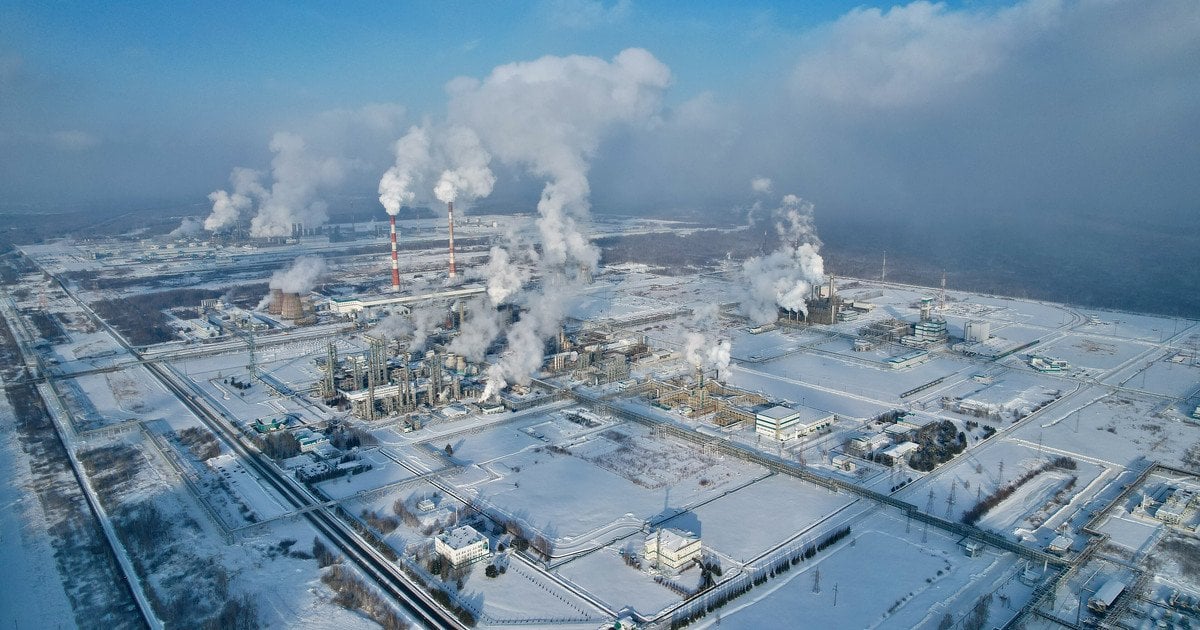
Sibur’s ZapSibNeftekhim complex in Tobolsk stopped operating after a drone attack caused damage to the site. The facility produces about 6 million tonnes of LPG annually, equivalent to roughly 40% of Russia’s output, according to Reuters industry sources.
Operations suspended for an indefinite period
Sibur’s ZapSibNeftekhim petrochemical complex in Tobolsk, in Russia’s Tyumen region, stopped operating after being damaged in a drone attack on Monday, August 10. Reuters reported the shutdown based on information from three industry sources. One source said the plant had been halted for an indefinite period while specialists assessed the extent of the damage and its operational consequences.
Tyumen regional governor Alexander Moor had earlier reported a fire at an industrial facility following a drone attack, but did not identify the affected company or site. Sibur declined to comment on the situation when approached by Reuters. The available reports therefore do not establish which individual production units were damaged, how long repairs could take or whether part of the complex may resume operations before the rest of the facility.
Loss affects a major share of Russian LPG capacity
ZapSibNeftekhim is Russia’s largest producer of liquefied petroleum gas. According to Reuters industry sources, the Tobolsk facility produces about 6 million tonnes of LPG per year, representing approximately 40% of total Russian production. About half of that volume is consumed as feedstock by Sibur’s own petrochemical operations at the Tobolsk complex.
The shutdown consequently affects both LPG availability and the internal supply chain connecting gas processing with petrochemical production. If operations remain suspended, the immediate commercial effect will depend on Sibur’s inventories, its ability to redirect feedstock from other assets and the condition of the damaged equipment. The interruption could also reduce volumes available to outside buyers because a substantial part of the plant’s output normally enters the market rather than being consumed within the complex.
Tobolsk exchange offers disappear
A first market signal emerged on the St Petersburg International Mercantile Exchange. On August 11, no LPG lots from the Tobolsk loading point were offered on the exchange, according to the report. Previously, around 4,000 tonnes of propane-butane mixture were regularly sold there each day. The disappearance of these offers does not by itself indicate the duration of the shutdown, but it shows that the attack immediately disrupted normal commercial supply from the site.
The incident follows other drone-related interruptions in Russia’s energy-processing sector. The Tyumen refinery completely suspended operations after an attack in late July. That plant is located more than 2,000 kilometres from the Ukrainian border, illustrating the geographical reach of recent strikes against Russian industrial facilities. Previous reports also said Russia had begun importing gasoline from India as domestic crude processing declined following attacks on refineries. Moscow had already stopped fuel exports to protect supplies for its domestic market.
Duration of repairs is the central market variable
For LPG traders and petrochemical consumers, the main uncertainty is how long ZapSibNeftekhim will remain offline. Its annual production share makes even a temporary outage material for Russian supply, while the use of about half its LPG as captive feedstock means the consequences extend beyond merchant propane-butane sales. A prolonged shutdown could require Sibur to prioritize internal petrochemical needs, find alternative feedstock or reduce downstream output. Until the damage assessment is completed, market participants have no confirmed timetable for restoring production or exchange sales from Tobolsk.