Yozgat chickpea harvest forecast at 57,000 tonnes as planted area declines
Yozgat expects chickpea production of about 57,000 tonnes in the 2026 season, up from roughly 41,210 tonnes after rainfall improved growing conditions. The recovery remains below the province’s 2024 output of 72,131 tonnes, while planted area has fallen from 586,078 to 493,589 decares.
Rainfall supports a partial production recovery
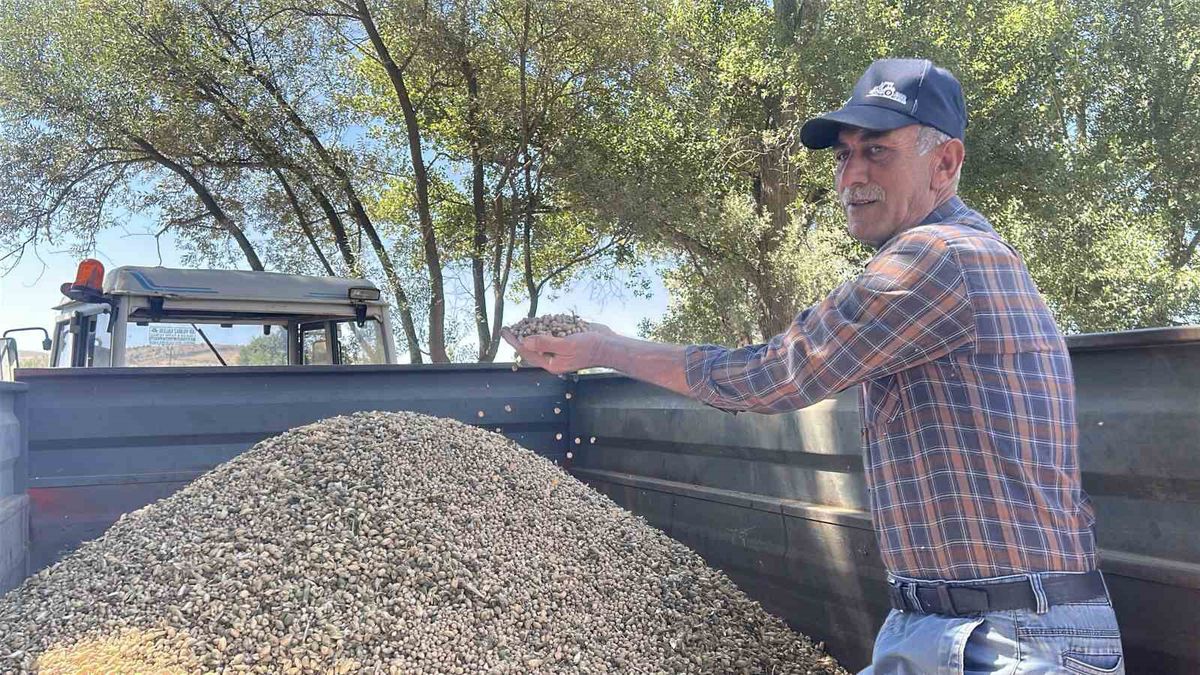
Chickpea harvesting is nearing completion in Yozgat, one of Turkey’s principal agricultural provinces, with production expected to reach about 57,000 tonnes in the 2026 season. Haberler.com reported that most of the crop had already been collected after a rainy growing season improved conditions compared with the previous season, when drought reduced output to approximately 41,210 tonnes.
The forecast represents a substantial recovery from the drought-affected crop, but it does not restore Yozgat to its recent production peak. Data from the Agricultural Economics and Policy Development Institute of Turkey’s Ministry of Agriculture and Forestry show that the province produced 72,131 tonnes in 2024. Yozgat ranked second nationally that year, behind Ankara at 92,944 tonnes and ahead of Konya at 50,571 tonnes.
Smaller planted area limits the rebound
The improved production outlook comes despite a sharp contraction in the area planted with chickpeas. According to data obtained from the Yozgat Provincial Directorate of Agriculture and Forestry, farmers planted 586,078 decares in the previous season, compared with 493,589 decares in the 2026 production season. The decline means favorable rainfall is supporting a larger crop from a smaller cultivated area.
For processors, wholesalers and food manufacturers, the expected increase from the previous season should improve the availability of chickpeas from a major domestic production center. However, the gap between the forecast of 57,000 tonnes and the province’s 2024 output of 72,131 tonnes indicates that supply has not returned to its earlier level. The reduced planted area will also leave Yozgat more dependent on yields and weather if it is to maintain its place among Turkey’s leading chickpea-producing provinces.
Hail causes localized damage
Weather conditions were not uniformly favorable. Intermittent hail damaged chickpea and lentil grains in some parts of the province. Haberler.com said serious province-wide losses were avoided because most chickpeas had been harvested before the latest hailstorms. The damage nevertheless affected individual farms, particularly fields where harvesting was still under way.
Nizamettin Dolgunyürek, a farmer in Çalatlı village in central Yozgat, said hail had prevented his fields from delivering the expected yield. He reported that the remaining chickpeas were being cut while still green because the season had ended. His experience shows that the provincial forecast can conceal uneven results between farms. For market participants, the final crop’s volume and quality will depend on the condition of these last harvested lots, while the smaller cultivation area remains the central constraint on Yozgat’s broader recovery.