Yogyakarta frozen chili exports to Japan and Singapore reach Rp749.9 million
Yogyakarta recorded two frozen chili shipments to Japan and Singapore worth Rp749.9 million in 2026. Indonesia’s quarantine agency is expanding certification and compliance support to help local producers and small businesses retain market access.
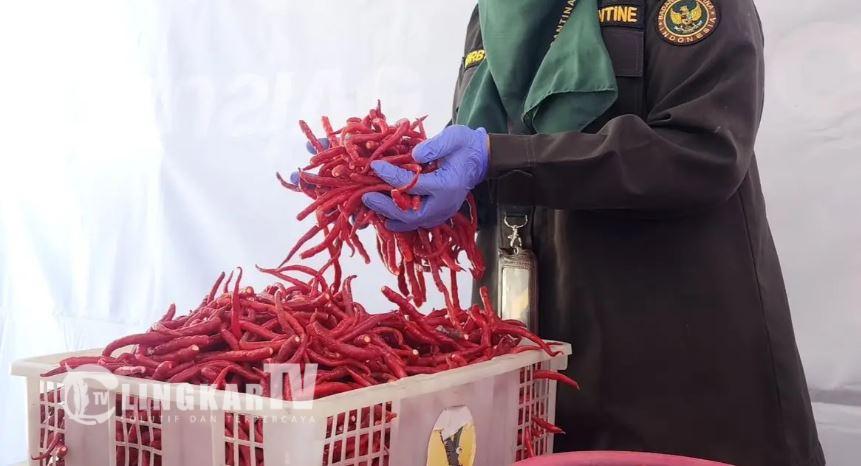
Two shipments surpass the value recorded in 2025
Frozen chilies from Indonesia’s Special Region of Yogyakarta are gaining access to Asian markets. Yogyakarta Quarantine recorded two shipments to Japan and Singapore during 2026 with a combined value of Rp749.9 million, according to Lingkar TV.
The value already exceeds the Rp369.4 million generated by six shipments during all of 2025. Those earlier consignments included frozen chili sent to Japan and long pepper shipped to Russia, France and India. The comparison indicates a sharp increase in average shipment value, although the source did not disclose export volumes or divide the 2026 value between Japan and Singapore.
For producers and processors, the latest shipments demonstrate that freezing can connect a regional horticultural crop with distant markets while extending its commercial life. For buyers, however, continuity will depend on exporters maintaining product safety, documentation and phytosanitary compliance rather than completing isolated consignments.
Production base spans four districts
Yogyakarta produces 5,183 tonnes of chili from 3,842 hectares. Production centres are distributed across Bantul, Sleman, Gunungkidul and Kulon Progo, providing a local supply base for processors and prospective exporters.
Japan is considered one of the most promising non-traditional markets for Yogyakarta’s frozen chili. Obing Hobir, head of Yogyakarta Quarantine, said exporters entering Japan must meet strict quarantine and food-safety standards. The agency aims to narrow the information gap between regulatory requirements and practices used by farmers and businesses.
The available figures do not show what share of Yogyakarta’s harvest is processed or exported. They also do not establish whether the higher shipment value reflects larger cargoes, different products, pricing or a combination of these factors. Further growth will therefore require dependable raw-material collection, freezing capacity and consistent quality control alongside market access.
Quarantine agency expands exporter support
Indonesia’s Quarantine Agency, known as Barantin, wants to help more farmers and micro, small and medium-sized enterprises meet destination-country requirements. The opportunity was discussed during the ninth Go Ekspor Barantin web series, “Jogja Frozen Chilies Enter the World Market,” held on 9 September 2026.
Barantin has organised the export service process from the initial application and verification through SSm-QC Ekspor and Best Trust to document checks, physical and laboratory inspections, and the final quarantine decision. Shahandra Hanitiyo, Barantin’s principal secretary, said the agency intends to act as a business partner by accelerating certification, supporting smaller exporters and building confidence in Indonesian agricultural products.
Abdul Rahman, Barantin’s director of plant quarantine measures, stressed that access must be protected through continued compliance with phytosanitary conditions. Products that fail to meet destination-market rules can be detained or rejected on arrival. Barantin expects its Go Ekspor programme to support new small-business exporters while preserving established access for Indonesian agricultural goods.