Yemen Plans Strategic Wheat Silos and Faster Import Clearance
Yemen’s government plans strategic silos and warehouses in liberated provinces while simplifying customs procedures for essential goods. The measures aim to protect the import-dependent grain market from Red Sea shipping delays, higher freight costs and insurance expenses.
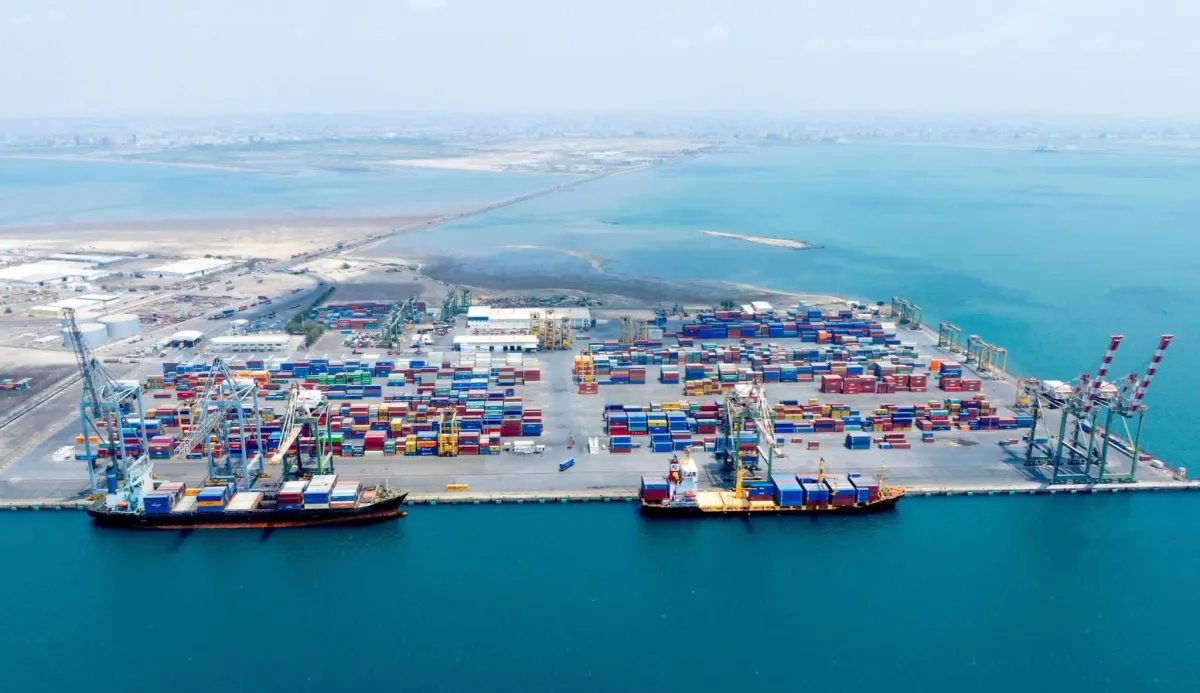
Government targets larger food reserves
Yemen’s government is preparing strategic silos and warehouses in liberated provinces as part of an effort to strengthen wheat and essential-goods reserves. The plan combines additional storage infrastructure with easier import procedures, seeking to give domestic markets more protection against interruptions in international supply chains.
According to Asharq Al-Awsat, the facilities are expected to be developed in partnership with the private sector and with support from development partners. The government has not disclosed planned storage capacity, construction costs or a timetable. Officials say the objective is to hold supplies capable of covering domestic requirements for longer periods when imports are delayed or disrupted.
Red Sea risks raise landed costs
Yemen depends heavily on imports to meet its grain requirements, leaving wheat and flour prices exposed to disruptions in maritime trade. Risks affecting navigation in the Red Sea and Gulf of Aden can increase freight and insurance costs or delay vessel arrivals. These expenses can pass directly into prices for essential goods in a market already facing accumulated economic and humanitarian pressures.
The proposals were discussed by Deputy Minister of Industry and Trade Salem Al-Wali, Customs Authority Chairman Abdul Hakim Al-Qubati, Federation of Chambers of Commerce and Industry Vice-President Abu Bakr Baabid and private-sector representatives. The meeting examined ways to remove obstacles to imports, accelerate cargo entry and customs clearance, and improve coordination between government agencies and businesses.
Single window and unified digital procedures
The agreed measures include developing a single-window system, connecting relevant agencies through a unified digital platform, addressing duplicated border procedures and unlawful fees, and accelerating land allocation for strategic silos and warehouses. Al-Wali said shorter clearance procedures should reduce additional costs while preserving state revenue, regulatory controls and consumer rights. The Customs Authority said facilitation would remain subject to existing laws and regulations.
Private-sector representatives called for fewer overlapping fees, procedures and operating burdens, which raise import costs and ultimately consumer prices. The policy therefore links physical reserve capacity with administrative reform: storage can provide a buffer during shipping delays, while faster clearance can reduce the cost and time required to move available cargo into the market.
Flour standards enter the food-security plan
A separate government meeting involving the industry, health, agriculture, fisheries and information authorities also considered the quality and nutritional value of flour. Official sources said a committee would assess quality criteria, technical specifications and proper storage requirements under standards approved by the Yemeni Standardization, Metrology and Quality Control Organization.
The effectiveness of the broader strategy will depend on implementation details that remain unspecified, including silo capacity, financing, locations and completion dates. Even without those figures, the direction is clear: Yemen is seeking to combine larger wheat reserves, more reliable storage, tighter product oversight and simpler import administration to limit the transmission of global transport shocks into local food availability and prices.