Yellow pea research in Thailand and the Philippines points to new Indo-Pacific markets for Canadian pulses
Producer.com's Pulse Weekly column reports that studies at Kasetsart University in Bangkok and the University of the Philippines Visayas could benefit Canadian pulse growers. The work points to possible new food applications for yellow pea in the Indo-Pacific, though no volumes, timelines or commercial partners have been attached to it.
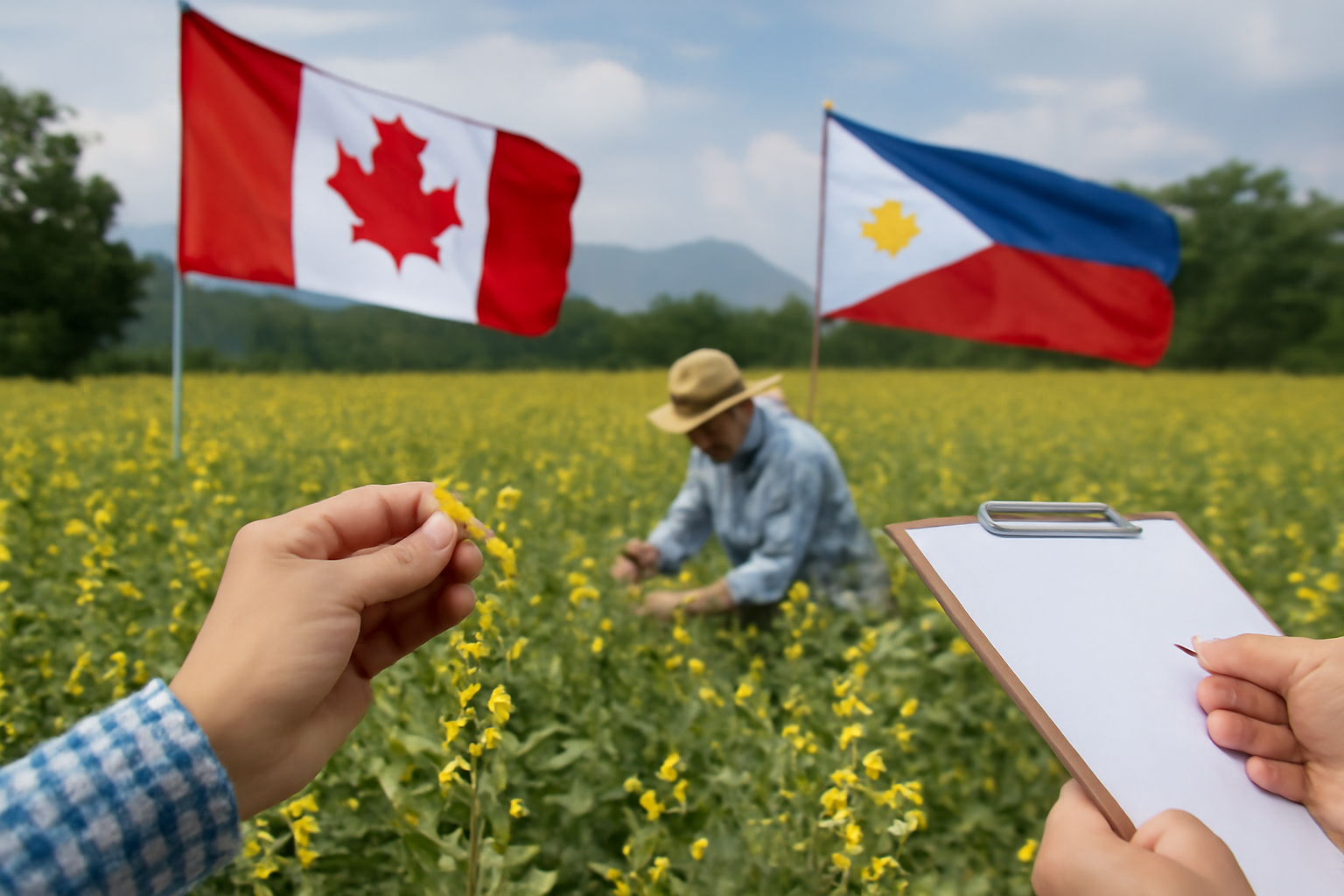
Research programmes at two Southeast Asian universities could open new food-sector outlets for Canadian yellow peas, according to the Pulse Weekly column published by producer.com. The report identifies studies at Kasetsart University in Bangkok and at the University of the Philippines Visayas as work that could prove beneficial to Canadian pulse growers.
The framing matters for an industry whose export book is dominated by a small group of destinations and by bulk shipments of whole and split peas. Food-ingredient demand in Thailand and the Philippines would be additive rather than substitutive: neither country is a significant grower of dry peas, so any commercial application developed there implies imported raw material, and Canada is among the largest suppliers in that trade.
What the report says, and what it does not
Pulse Weekly presents the two university programmes as research pointing to possible Indo-Pacific markets for yellow pea. The column names the institutions and the crop. It does not attach production volumes, commercialisation timelines or industrial partners to the work, and no processing investment or offtake agreement was reported alongside the studies.
For the trade, that distinction is the whole story at this stage. Academic work on pulse ingredients typically covers milling and fractionation behaviour, protein and starch functionality, shelf stability, and sensory performance in local dishes — the steps that determine whether an imported commodity can substitute for or supplement a domestic staple. Until those results are published in detail, the market implication is directional rather than quantifiable.
Why yellow pea, and why these two markets
Yellow pea is one of the lowest-cost sources of plant protein moving in international trade, which is why it underpins most pea protein isolate and concentrate production and increasingly appears in noodles, snacks, bakery products and meat extenders. It also mills into flour and starch fractions with equipment that food processors in the region already operate, which lowers the capital barrier to adoption compared with newer protein crops.
Thailand is a major food-processing and export hub in Southeast Asia, with established snack, noodle, aquafeed and ready-meal industries that buy imported ingredients as a matter of routine. The Philippines combines a large domestic consumer market with a substantial imported-food bill and a growing processed-foods sector. Both are markets where a proven local formulation can convert into recurring container volumes rather than one-off trial shipments.
What the trade will watch
Commercialisation of university research depends on steps that sit outside the laboratory, and each one is a checkpoint for exporters:
- Publication of the study results and the raw-material specifications they imply — grade, colour, protein content and processing behaviour of the imported pea.
- Whether local processors or multinational food manufacturers pick up the work and commit capital to milling or fractionation capacity.
- Regulatory clearance for new ingredients and labelling in each market, including food-safety registration for imported material.
- Freight and tariff conditions on the Canada–Southeast Asia route relative to competing origins such as Russia, the United States and Australia.
None of this changes near-term pricing for Canadian yellow pea, which continues to be set by established buyers and by the size of competing crops. What it does identify is a pathway the pulse sector has used elsewhere: local food science first, domestic formulations second, import demand third. The Kasetsart and UP Visayas studies sit at the first stage of that sequence, and the interval between a published paper and a commercial tender is measured in years rather than seasons.