Yara affirms mid-2026 investment decision for Louisiana blue ammonia project
Yara has affirmed that it expects to take a final investment decision around the middle of 2026 on its planned blue ammonia project on the US Gulf Coast in Louisiana, according to Quantum Commodity Intelligence. The reaffirmed timeline keeps one of the sector's most closely watched low-carbon ammonia projects on schedule for a go-ahead decision next year.
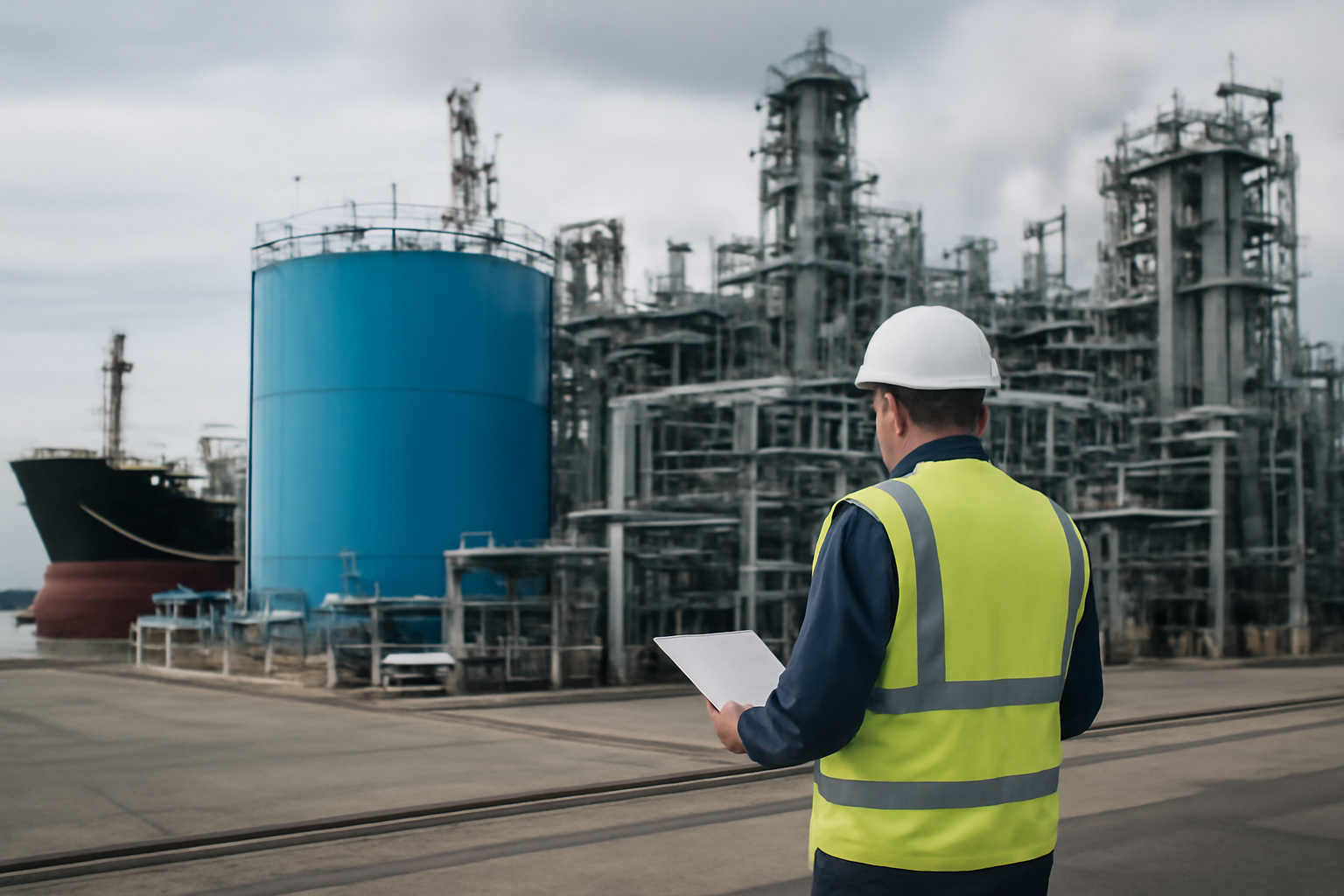
Yara reaffirms mid-2026 timeline for Louisiana ammonia decision
Norwegian fertilizer producer Yara has affirmed that it plans to take a final investment decision (FID) around the middle of 2026 on its proposed blue ammonia project on the US Gulf Coast in Louisiana, according to Quantum Commodity Intelligence.
The reaffirmed timeline keeps one of the sector's most closely watched low-carbon ammonia projects on track for a formal go-ahead decision next year. An FID is the point at which a company commits capital to build, and it is the milestone that turns a proposed plant into a firm addition to future supply. Until that decision is taken, the project remains a plan rather than a confirmed source of volume.
Why blue ammonia matters for fertilizer and energy trade
Blue ammonia is conventional ammonia produced from natural gas, with the carbon dioxide released during production captured and stored rather than emitted. Ammonia is both a feedstock for nitrogen fertilizers — used to make products such as urea and nitrates — and an emerging carrier for low-carbon hydrogen and a potential marine and power fuel. That dual role means a project like Yara's is watched by both agricultural buyers and energy buyers.
Yara is one of the world's largest ammonia producers and traders, so its investment choices carry weight for how much low-carbon supply reaches the market. The US Gulf Coast has become a focal point for such projects because of its access to natural gas feedstock, existing petrochemical and export infrastructure, and geology suited to carbon storage. For importers in Europe and Asia, where governments are pushing for lower-carbon fuels and fertilizers, US Gulf Coast ammonia is a potential source of certified low-carbon supply.
What the decision signals for the market
For importers, exporters and analysts, the value of Yara's confirmation is as a bellwether. The pace at which large producers commit to new low-carbon ammonia capacity shapes expectations for supply, pricing and the availability of certified low-carbon product later this decade. A firm FID would signal confidence that demand and policy support are sufficient to justify investment; a delay would signal the opposite.
Quantum Commodity Intelligence reported the reaffirmed mid-2026 timeline without indicating a change to the schedule. The confirmation matters most as a marker that the project remains active in a period when several proposed low-carbon ammonia ventures worldwide have faced questions over cost, offtake commitments and policy certainty.
What to watch
- Whether Yara holds to the mid-2026 FID window or revises it as the date approaches.
- Any offtake agreements or partnerships announced ahead of the decision, which would underpin the project's commercial case.
- Trade-flow implications for European and Asian importers seeking certified low-carbon ammonia.
As reported by Quantum Commodity Intelligence, the key near-term signal for the market is simply whether the mid-2026 decision date holds.