Yamanashi grape exports to Vietnam remain blocked after six years of talks
Japan and Vietnam have yet to agree on market-access conditions for Yamanashi grapes after six years of negotiations. The current shipping season has already reached its peak despite a direct appeal by Yamanashi Governor Kotaro Nagasaki in May.
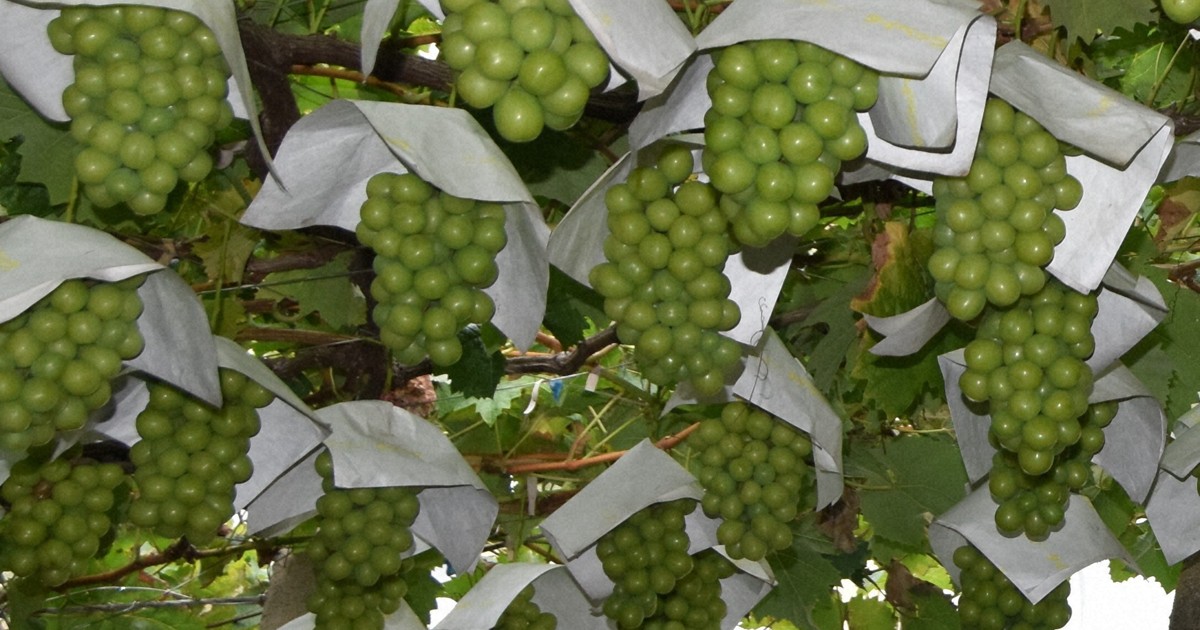
Peak season arrives without market access
Yamanashi Prefecture's effort to secure access to Vietnam for its grapes remains unresolved, even though bilateral negotiations have continued for six years. Mainichi Shimbun reported that the prefecture's current grape shipping season has already reached its peak without an agreement between the Japanese and Vietnamese governments.
Yamanashi Governor Kotaro Nagasaki visited Vietnam in May and directly asked both governments to authorize exports during the current season. That request has not produced approval in time for the busiest part of the shipping calendar. For growers and distributors, the delay means that Vietnam cannot yet serve as an outlet for grapes harvested and marketed this season.
Plant-health controls complicate negotiations
Satoshi Ishizuka, a professor at Hirosaki University's Faculty of Agriculture and Life Science who specializes in agricultural imports and exports, told Mainichi Shimbun that quarantine negotiations involve several overlapping issues. These include the legal basis for controls, inspection and verification procedures, international practices and conditions at production sites.
The central concern is preventing the entry of pests and diseases that are not already established among the importing country's farms or production regions. According to Ishizuka, this makes inspection and confirmation procedures complex. Negotiators must identify measures that Vietnam considers sufficient while determining what Japanese growers, packing facilities and authorities can implement in practice.
The report does not identify a single disputed condition responsible for the six-year delay. Ishizuka said grapes would probably be subject to some form of access requirement and suggested that difficult discussions were continuing over conditions acceptable to both sides. Approval alone may therefore not be the final operational step: producers and packing businesses could also need to comply with protocols attached to any agreement.
Apple rules show the possible burden
Japan's experience exporting apples to Vietnam illustrates how such requirements can affect farm operations. Vietnam opened its market to Japanese apples in 2015, but initially permitted only fruit that had been bagged during production. Ishizuka described bagging as particularly demanding in Japan because farmers are ageing and the agricultural workforce is shrinking.
The apple conditions were changed in 2019 and bagging was no longer required. Inspections and registration of orchards and packing facilities handling export apples nevertheless remain mandatory. The precedent indicates that market access can be revised after approval, but also that traceability and facility-level oversight may remain part of the trade for years.
For Yamanashi's grape sector, the unresolved talks create a timing problem as well as a regulatory one. Each season that begins without agreed conditions limits exporters' ability to build a regular commercial program for Vietnam. Any eventual protocol will also need to arrive early enough for growers, packers and authorities to complete required inspections or registrations before peak shipments, rather than while the crop is already moving through the domestic supply chain.