Yamagata Cherry Harvest Forecast to Recover Above 10,000 Tonnes
Yamagata Prefecture expects its cherry harvest to reach about 10,200 tonnes, exceeding 10,000 tonnes for the first time in three years. Output remains below the 10-year average, while increased supply has reduced selling prices by roughly 20% to 30% from last year.
Harvest rebounds after two weak seasons
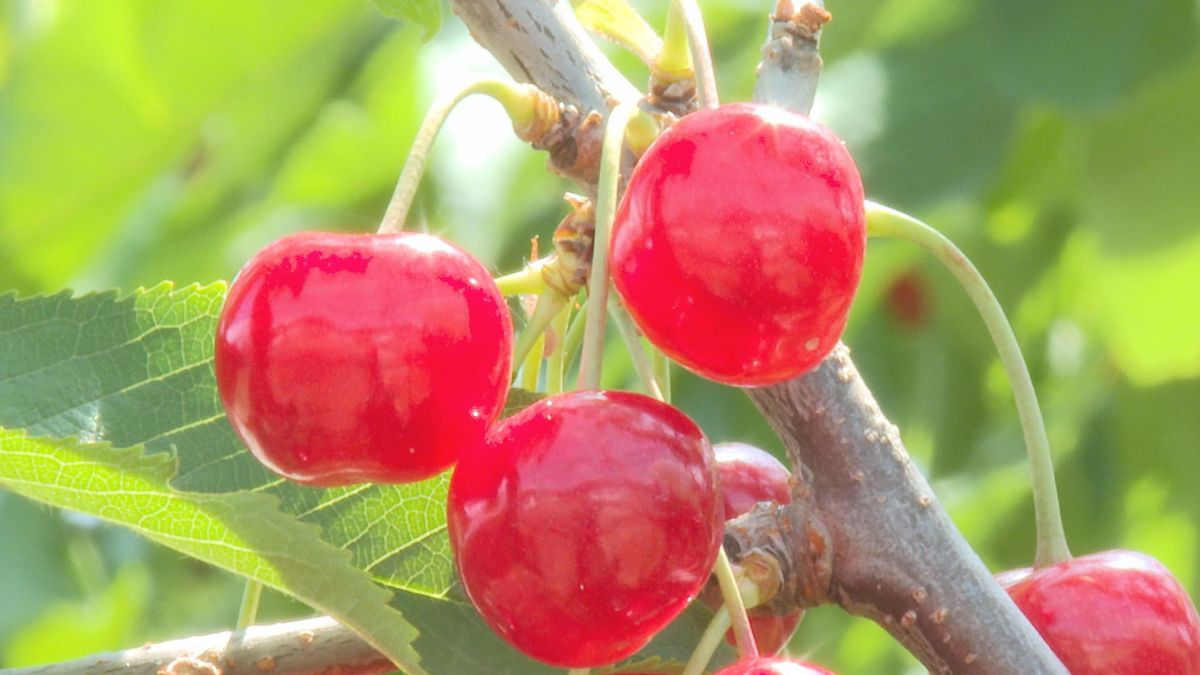
Yamagata Prefecture, Japan’s leading cherry-producing region, expects this season’s harvest to reach about 10,200 tonnes, according to Yamagata Broadcasting. The estimate is based on handling data from Japan Agricultural Cooperatives, or JA, and produce markets within the prefecture. If achieved, production will exceed 10,000 tonnes for the first time in three years.
The forecast represents an increase of about 1,900 tonnes from last year’s 8,310 tonnes, the smallest crop recorded since the beginning of the Heisei era. The recovery ends two consecutive seasons of particularly poor production, but it does not restore output to its recent norm. The projected harvest remains around 1,900 tonnes below the 10-year average of 12,100 tonnes.
Weather damage limited the previous crops
Yamagata harvested 8,590 tonnes two years ago after high temperatures during the picking period damaged the crop. Last year, unfavorable weather during flowering further reduced production to 8,310 tonnes. The two seasons demonstrated the sensitivity of cherry yields and marketable quality to weather conditions at separate stages of the growing cycle.
Risks did not disappear this season. Frost in early April killed pistils in some orchards, according to the prefectural government. However, local authorities and agricultural organizations strengthened fruit-setting measures, including support for introducing honeybees into orchards. These efforts helped protect production after flowering and limited the effect of the early frost on the prefecture-wide harvest.
Lower heat pressure supports crop quality
Conditions during the harvesting period were also more favorable. The prefecture reported fewer days of high temperatures, reducing the incidence of heat-related damage that had affected output two years earlier. The combination of fruit-setting support and lower heat pressure allowed the crop to recover despite losses in frost-affected orchards.
The larger harvest is already affecting the commercial market. Selling prices are approximately 20% to 30% lower than during last year’s shortage, according to Yamagata Broadcasting. For growers, the additional volume offers an opportunity to rebuild sales after two poor seasons, although lower unit prices may limit the improvement in revenue. Buyers, processors and produce distributors should have access to more fruit at less elevated prices, but supplies remain below the 10-year production average. The forecast therefore marks a meaningful recovery rather than a full return to normal output.