Yamagata cherry harvest set to exceed 10,000 tonnes as prices fall 20%
Yamagata Prefecture expects its cherry harvest to exceed 10,000 tonnes for the first time in three years after favorable spring weather and extensive artificial pollination. JA shipments to wholesale markets reached 190% of last year’s level by July 16, while prices fell about 20%.
Harvest returns to a more typical level
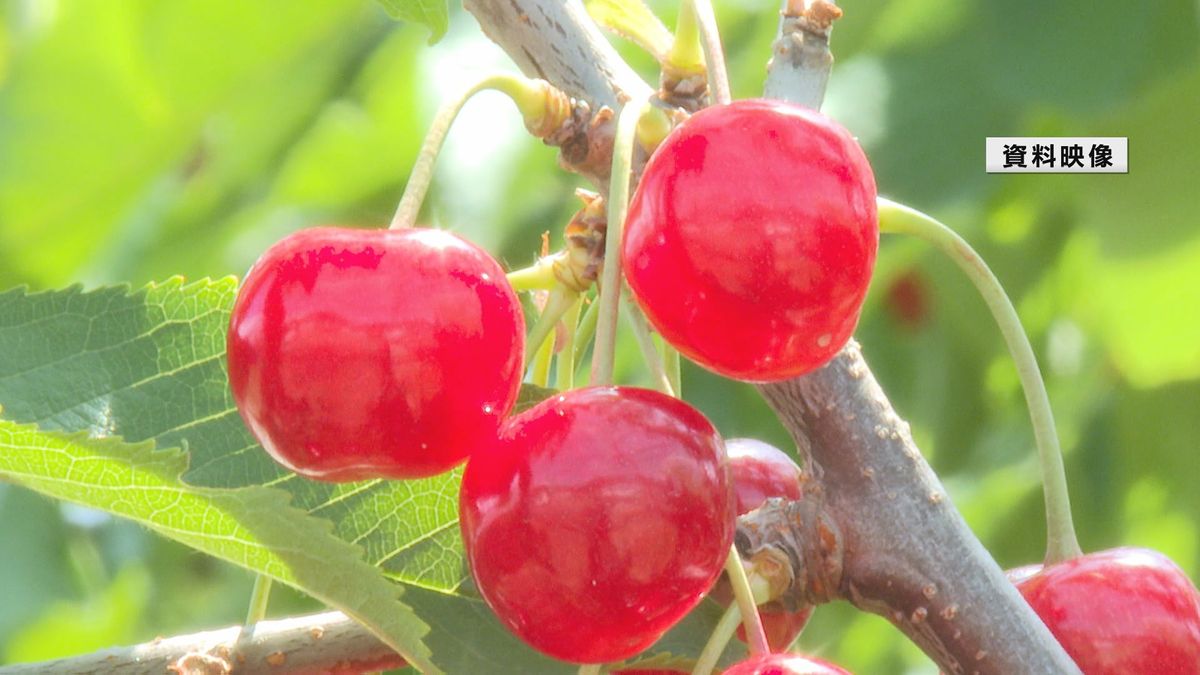
Cherry production in Japan’s Yamagata Prefecture is expected to exceed 10,000 tonnes for the first time in three years, according to a report by YBC, part of the Nippon Television network. The prefectural government attributed the recovery to favorable weather in early spring and artificial pollination carried out across producing areas.
The forecast marks a sharp improvement after two weak seasons. Tōru Saitō, deputy head of JA Zen-Noh Yamagata, said volumes in both last year and the year before had fallen to around half their usual level. Although this season’s increase is substantial in year-on-year terms, he described the current crop as a return to a normal level rather than an exceptional harvest.
JA market shipments reach 190% of last year
By July 16, agricultural cooperatives in Yamagata had sold nearly twice as many cherries to wholesale markets as they did during the previous season. Saitō put market-bound shipments at 190% of last year’s volume. The comparison reflects both this year’s production recovery and the exceptionally limited supply available during the poor 2024 season.
Distribution decisions also increased the volume reaching conventional markets. JA Zen-Noh Yamagata said some growers redirected cherries previously intended for the gift segment into market channels. That shift added to the supply handled by wholesalers and retailers, beyond the effect of the larger harvest itself. For market participants, the figures therefore reflect a combination of improved orchard output and a change in sales channels.
Larger supply pushes prices down
Prices for cherries sold into the market were about 20% lower than last year, YBC reported. JA Zen-Noh Yamagata linked the decline to the increase in handled volumes, including fruit transferred from gift-oriented distribution. The price movement reverses part of the scarcity effect created by the previous two short crops, when reduced availability supported a tighter market.
For producers, the rebound restores saleable volume but creates pressure on revenue per unit. Results will depend on how much additional fruit growers harvested, its quality and the channels through which it was sold. Wholesalers and retailers, meanwhile, have more fruit available at lower acquisition prices. The season also demonstrates how quickly cherry pricing can respond when production conditions and channel allocation change at the same time. With the prefecture expecting more than 10,000 tonnes, supply has normalized, but the 20% price decline shows that the market must absorb substantially more fruit than it did last year.