Xupai Starts Mass Production of Sodium-Ion Auxiliary Batteries for BAIC Arcfox EVs
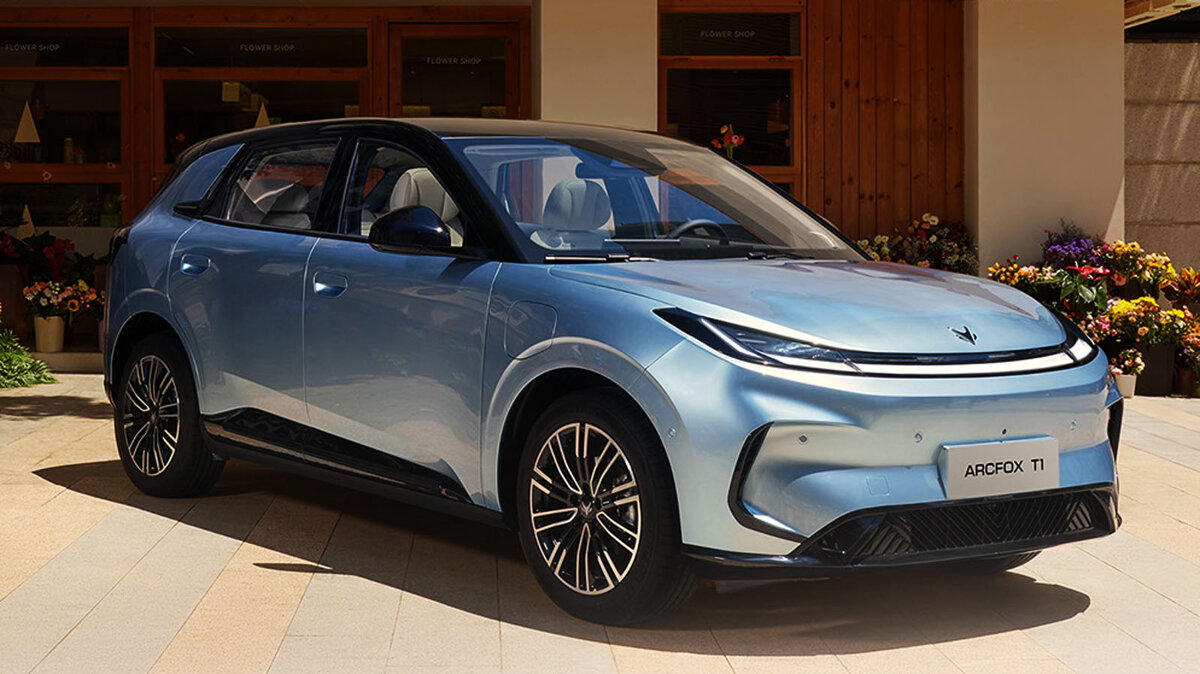
Xupai is supplying 12-volt sodium-ion auxiliary batteries for electric vehicles sold under BAIC’s Arcfox brand. The series-production deployment could challenge lead-acid batteries in low-voltage automotive systems, although wider adoption will depend on cost, certification and standardization.
Sodium-ion technology enters the low-voltage system
Chinese battery manufacturer Xupai has begun supplying sodium-ion auxiliary batteries for electric vehicles made under BAIC’s Arcfox brand, according to Heise. The deployment brings sodium-ion chemistry into series passenger-car production as a replacement for the conventional 12-volt lead-acid battery, rather than only as a traction battery.
Low-voltage batteries power vehicle electronics, control units, infotainment and driver-assistance systems even when the main traction battery is unavailable or disconnected. Lead-acid technology has filled this role since the beginning of the automotive industry, but its weight, limited cycle life and association with vehicle breakdowns have encouraged manufacturers to examine alternatives. Lithium iron phosphate batteries can address some of these weaknesses, but Heise notes that they remain expensive.
Xupai offers sodium-ion products for 12-, 24- and 48-volt systems. The range covers combustion-engine starter batteries, start-stop systems, mild hybrids and auxiliary batteries for battery-electric vehicles. The company describes the products as plug-and-play replacements in standard formats that should not require changes to a vehicle’s electrical architecture.
Cycle life, weight and cold-weather performance
Xupai says its 12-volt auxiliary battery can exceed 3,000 cycles at 100% depth of discharge, while its start-stop version is designed for more than 180,000 cycles. Starter models deliver currents of 500 to 900 amperes and are around 55% lighter than comparable lead-acid batteries. The products include battery-management systems with CAN or CAN-FD communication and are intended to meet the ASIL B functional-safety level.
By comparison, AGM and EFB lead-acid batteries commonly used in European vehicles typically provide 200 to 400 cycles under deep-discharge conditions and system-level energy density of about 30 to 40 watt-hours per kilogram. Data from German engineering company IAV and Chinese cell producer HiNa put low-voltage sodium-ion batteries at roughly 80 to 110 watt-hours per kilogram. IAV has built a 12-volt prototype rated at 70 ampere-hours and 840 watt-hours, weighing 10 kilograms and operating during discharge from −40 to +60 °C.
Sodium-ion chemistry also has a lower tendency toward thermal runaway than lithium NMC or NCA chemistry, Heise reported. Compared with lead-acid batteries, it eliminates hazards related to sulfuric acid, corrosion and hydrogen formation during overcharging. Xupai’s batteries use an integrated management system to monitor voltage and temperature and shut down in a controlled manner during a short circuit.
BAIC and suppliers pursue broader applications
BAIC’s research operation has also developed a prismatic sodium-ion cell with energy density above 170 watt-hours per kilogram. It is designed to charge largely within around 11 minutes at a 4C rate and is intended for traction batteries in the Arcfox T1. BAIC also plans a network of up to 30,000 battery-swap stations that could support sodium-ion batteries, although no official plan for broad series production beyond individual models has been published.
Elsewhere in China, CATL supplies a 45-kWh Naxtra battery for the Changan Nevo A06, described by Heise as the first mass-produced electric car with a sodium-ion traction battery. CATL says its cells reach as much as 175 watt-hours per kilogram, retain more than 90% capacity at −40 °C and can charge to 80% in around 15 minutes.
Aftermarket faces lower replacement volumes
European development is also advancing. Camel Group has placed a 12-volt sodium-ion battery in a pre-development project with a major European automaker, while the IEC is working on an international standard for 12-volt sodium-ion start-stop batteries. Clarios, described by Heise as the world’s largest supplier of 12-volt batteries, is developing sodium-ion products for original equipment and the aftermarket.
A broad shift would require workshops to use diagnostic equipment capable of communicating with battery-management systems over CAN, while chargers would need chemistry-specific profiles. Longer cycle life could reduce replacement frequency and shrink the traditional lead-acid aftermarket in Germany, Austria and Switzerland. IAV considers sodium-ion a promising low-voltage alternative to LFP, but adoption will depend on cost, standards, certification and regulation. Heise says a share above 50% of European new vehicles between 2030 and 2035 appears realistic if costs and certifications develop as expected; lead-acid is likely to remain dominant in the installed fleet because it is still considerably cheaper.