World Bank Warns of Biggest Energy Price Surge Since 2022 on Middle East War
The World Bank forecasts global commodity prices will rise 16% in 2026, the first annual increase since 2022, as the Middle East conflict drives energy prices up 24% and pushes fertilizer, aluminum and precious metals toward record highs. Agriculture is the sole commodity group expected to fall, as a slump in beverage prices offsets a modest rise in food costs.
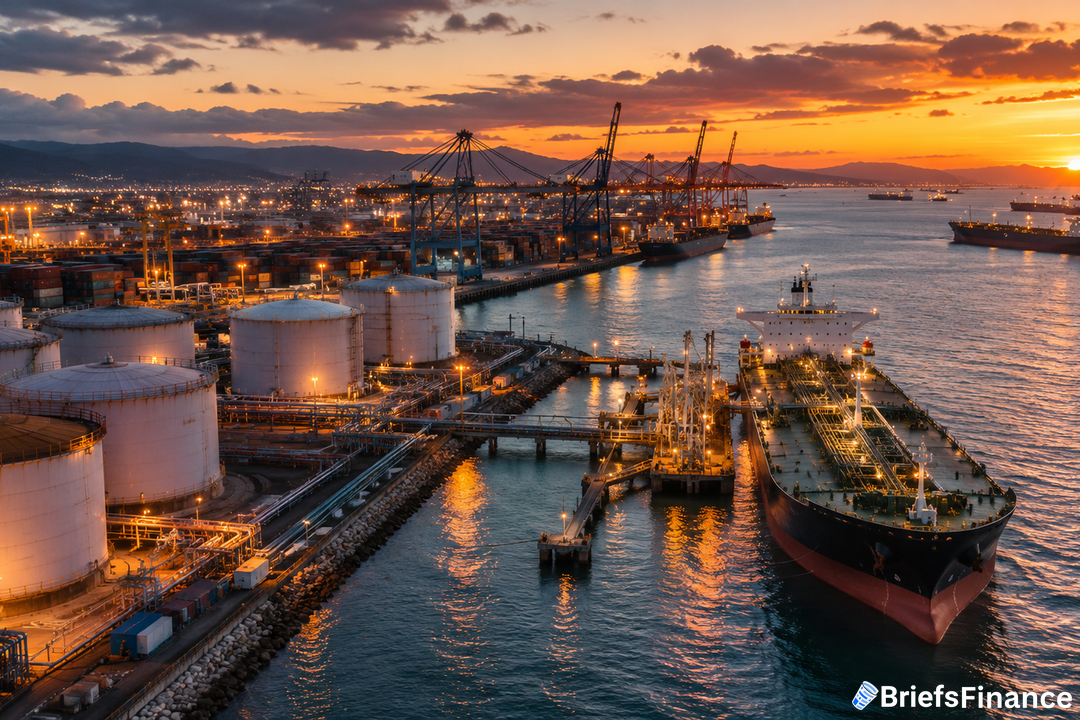
Commodity prices set for first annual gain since 2022
The World Bank forecasts global commodity prices will climb 16% in 2026, the first annual increase since 2022, as the ongoing conflict in the Middle East disrupts energy and fertilizer supply chains. According to the World Bank, current price levels are now roughly 25% above the projections it published in January 2026, underscoring how quickly the outlook shifted once the conflict escalated. The Bank's forecast places the energy price surge at 24% for the year, the sharpest annual jump since 2022, driven largely by fears over the security of the Strait of Hormuz.
Energy markets absorb the shock
Natural gas markets have seen the most extreme moves. LNG prices in Asia jumped 94% during March, while European natural gas rates rose 59% over the same period. Looking at full-year 2026, the World Bank expects European natural gas costs to rise roughly 25% and U.S. natural gas prices to climb 8%. Brent crude is forecast to average $86 per barrel in 2026 before easing to $70 per barrel in 2027 as the immediate supply shock fades. The International Energy Agency released 400 million barrels from emergency reserves in an attempt to partially stabilize prices.
Fertilizers and metals climb toward records
The World Bank's fertilizer price index rose more than 12% in the first quarter of 2026 and is projected to increase over 30% for the full year, driven by higher input costs for nitrogen- and phosphate-based products alongside steady demand. That increase remains well below the surges recorded in 2021 and 2022. Metals and minerals prices rose 13% in the first quarter, and the World Bank expects the metals and minerals index to climb 17% in 2026 to a record high, with aluminum prices forecast to rise roughly 22%. Precious metals jumped 42% in the first quarter to all-time peaks, fueled by geopolitical uncertainty and heavy safe-haven buying.
Agriculture bucks the trend
Agricultural commodities are the only category the World Bank expects to decline in 2026, falling 6% as a 30% drop in beverage prices outweighs a modest 2% rise in food prices. The agricultural price index has held broadly steady over the past nine months and sat about 7% lower in the first quarter of 2026 than a year earlier. Higher transport costs linked to elevated oil prices and reduced fertilizer use could still push domestic food prices higher and raise food-security risks in vulnerable regions.
What could change the forecast
- The baseline assumes the worst Middle East supply disruptions conclude by the end of the second quarter of 2026, with regional oil exports recovering to near pre-war levels by year-end.
- Upside risks include a longer or more severe conflict that extends disruptions to energy and fertilizer supply.
- Downside risks include faster electric vehicle adoption, weaker global growth, and greater-than-expected supply, particularly in 2027.
- Agricultural prices face separate upside risks from a prolonged conflict, severe weather such as a possible strong El Niño, and rising biofuel demand.