Wind and solar overtake fossil power in Germany as prices frequently turn negative
Wind and solar generation have overtaken fossil-fuel power in Germany, while wholesale electricity prices are frequently turning negative. Germany also intends to end coal-fired generation significantly earlier than initially planned, despite recent setbacks to its energy transition.
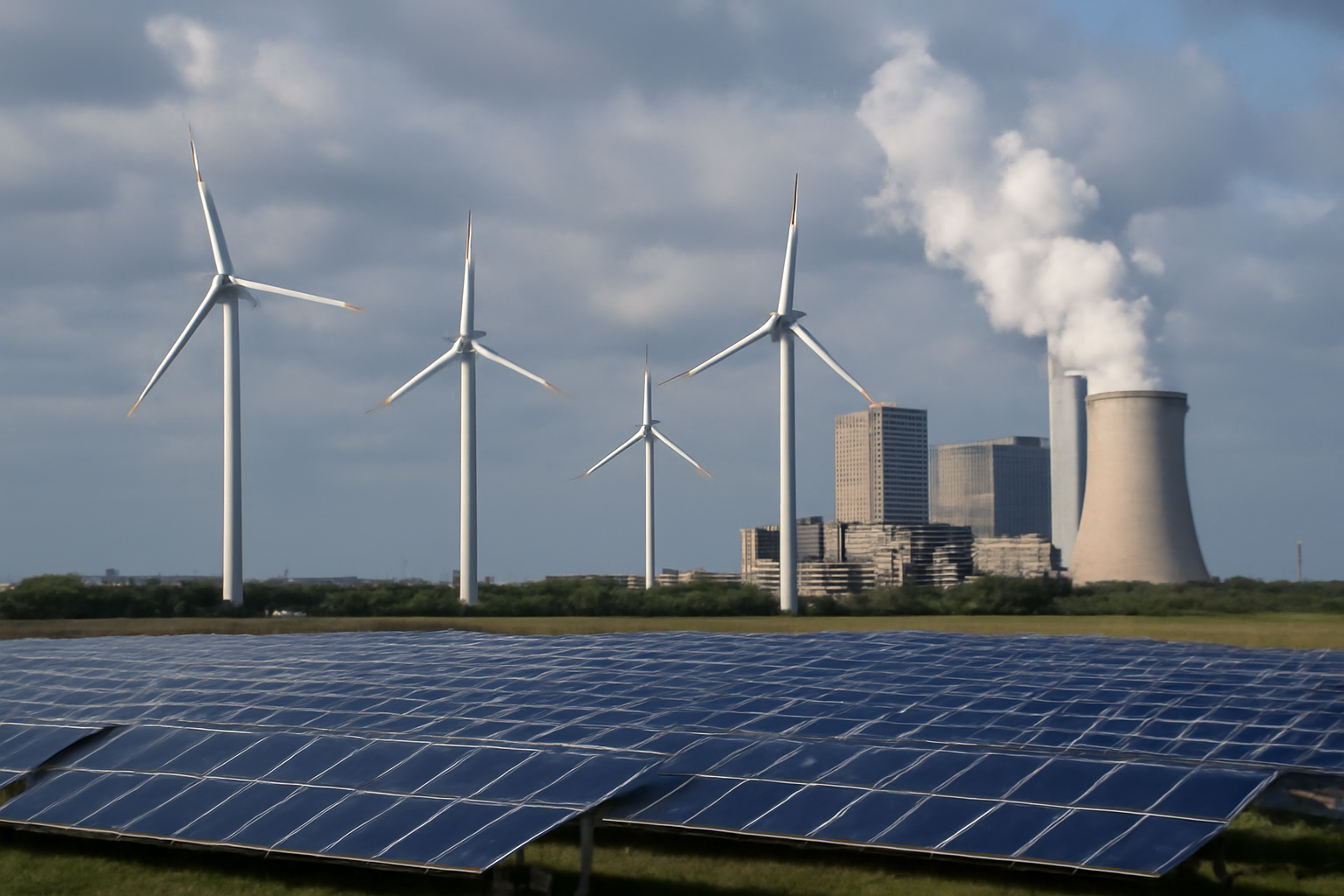
Renewables move ahead of fossil generation
Wind and solar power have overtaken fossil-fuel generation in Germany, marking a significant change in the country’s electricity mix. The development, reported by Euronews, comes as renewable output increasingly determines conditions in the German power market.
The shift is also visible in wholesale pricing. Electricity prices are frequently turning negative, indicating periods when available power exceeds immediate market demand. For generators and electricity traders, these episodes change the economics of selling power during hours of strong renewable production.
Negative prices do not mean that electricity is free for every consumer. They are a wholesale-market signal and directly affect participants exposed to short-term power prices. The growing frequency of such periods increases the importance of when electricity is generated, purchased and consumed, rather than focusing only on total annual volumes.
Germany targets an earlier coal exit
Germany now wants to end coal-fired power generation substantially earlier than initially planned. Wind and solar overtaking fossil generation strengthens the case for reducing coal’s role, but the move also raises practical questions for power producers, industrial consumers and market operators.
Coal plants provide dispatchable generation, while wind and solar output varies with weather conditions. As Germany accelerates its coal plans, the market will have to manage periods of abundant renewable electricity alongside periods when renewable production is lower. The available source material does not specify a revised closure date, the generating capacity affected or the plants that could close first.
The lack of those details limits an assessment of the immediate effect on coal producers, utilities and fuel suppliers. The direction of policy is nevertheless clear: Germany is seeking to move away from coal faster while renewable power takes a larger position in electricity generation.
Pricing becomes central to the transition
Frequent negative prices show that adding renewable generation is only one part of the market change. The timing of supply and demand is becoming more important for investors and operators. Assets able to respond to low or negative prices may gain value, while generators producing during oversupplied periods face weaker revenue conditions.
For energy-intensive companies, volatile wholesale prices can create opportunities as well as risks. Businesses able to shift consumption toward periods of high wind and solar output may encounter more favorable market conditions. Companies requiring constant electricity supply remain exposed to a different pricing profile.
Germany’s recent energy-transition setbacks remain part of the picture. The reported plan to bring forward the coal exit is therefore proceeding against a mixed background: renewables have moved ahead of fossil power, yet the wider transition has not advanced without disruption.
The next issue for the market is whether Germany can translate renewable dominance into a stable investment environment. Power producers need workable revenue conditions, industrial buyers need dependable supply, and coal-sector participants need clarity on the pace of closures. Until more detailed dates and capacity plans are disclosed, negative wholesale prices will remain the most immediate sign of how rapidly the German generation mix is changing.