Wildfires pressure France’s €3.6 billion timber sector after 42,000 hectares burn
Wildfires have ravaged more than 42,000 hectares of maritime pine forest in Landes and Gironde, adding pressure to a French timber sector already weakened by the construction downturn. France commercially sells 39 million m³ of wood a year, worth an estimated €3.6 billion in 2025.
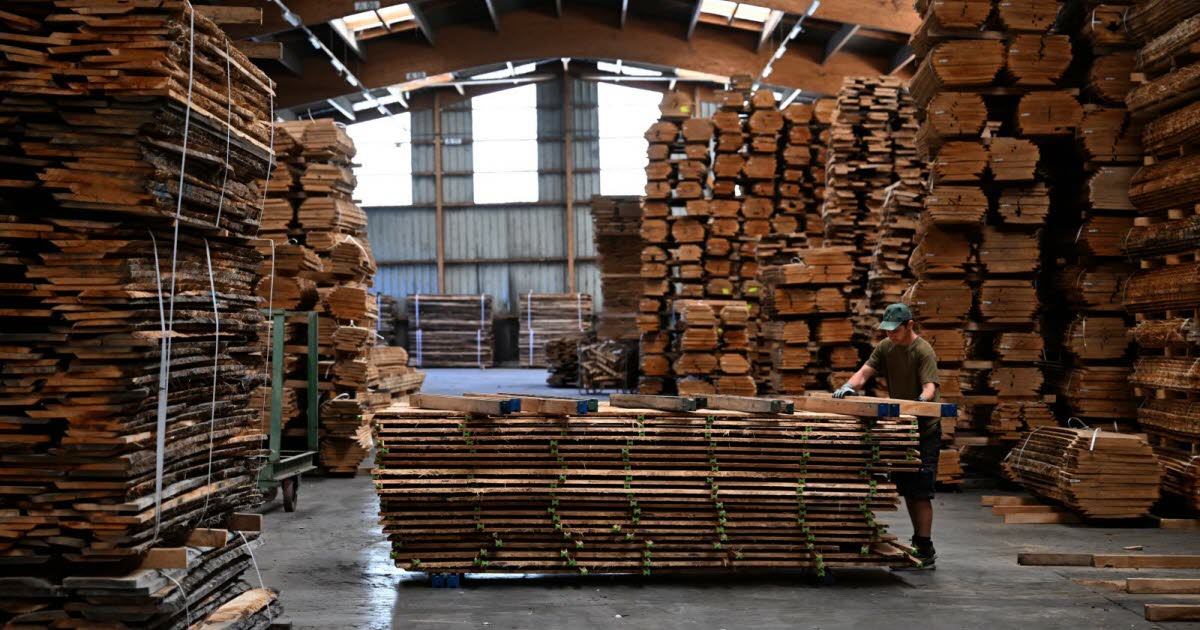
Fires hit a major commercial resource
Wildfires at the end of July ravaged more than 42,000 hectares of forest in Landes and Gironde, disrupting an important source of maritime pine for France’s construction, furniture, paper and heating markets. The damage comes as the wider French timber industry is already struggling with the decline in new construction.
France commercially sells 39 million m³ of wood each year, equivalent to approximately 30 million tonnes, according to the French Forest Observatory. The value of that marketed output was estimated at €3.6 billion in 2025. The country’s total annual wood harvest is higher, at about 57 million m³, because private forest owners retain part of the harvest for their own heating.
Commercial supply serves three principal markets. Sawlogs are used in construction and furniture, energy wood is sold as logs and pellets, and industrial wood feeds paper and cardboard production. Maritime pine is used across all three segments, increasing the potential reach of disruption from the fires.
Maritime pine spans several markets
Maritime pine is the sole tree species identified in the affected Landes and Gironde forest. Historically used for pulp and structural timber, it has also become sought after as heating wood because it is among the cheapest species available. France Bois Forêt reported a 2025 price of €53 per m³ for maritime pine, compared with €190 for oak and €155 for ash.
The price gap makes maritime pine relevant to processors and households seeking lower-cost material or fuel. However, the fires are creating a potentially large volume of damaged timber that will need to be assessed, harvested where possible and moved through processing channels without overwhelming local capacity.
The industry entered this period from a weak position. Le Progrès reports that the timber sector has been losing momentum since 2022 following the fall in new-construction activity. The average price of sawlogs declined by 4% last year from the previous year to €83 per m³, reducing the sector’s ability to absorb another operational shock.
Pellet prices unlikely to react immediately
Wood heating has expanded in France, with 2 million households now equipped with wood-burning stoves. Demand accelerated after the war in Ukraine and the subsequent surge in energy prices. Pellet prices rose sharply between 2022 and 2023 and at one point doubled, before falling considerably from 2024 without returning to their pre-crisis level.
A 15-kilogram bag of pellets now sells for an average of €6. France Bois Forêt does not expect the large stocks of maritime pine generated by the fires to have an immediate effect on heating-fuel prices because pellets are manufactured from sawmill residues. Timber from the Landes and Gironde forests will not reach those mills immediately, although the organization said a small price decline could occur.
France Bois Forêt cautioned that pellet prices remain primarily determined by supply and demand and could rise again in another energy crisis like that of 2022. Its president, Anne Duisabeau, called for stronger fire prevention and forest defenses, silvicultural choices adapted to individual territories and sustained investment in forest renewal. For producers and processors, the challenge is therefore both immediate—managing damaged timber—and long-term: establishing forests able to retain their environmental, economic and social functions under future climate conditions.