Whole-bean coffee sales rise by more than 30% in France, Italy and Germany
Nielsen data cited by La Repubblica shows strong growth in the value of whole-bean coffee sales across three major European markets. Sales increased by 35% in France, 33% in Italy and 31.2% in Germany, indicating growing consumer interest in beans alongside established capsule formats.
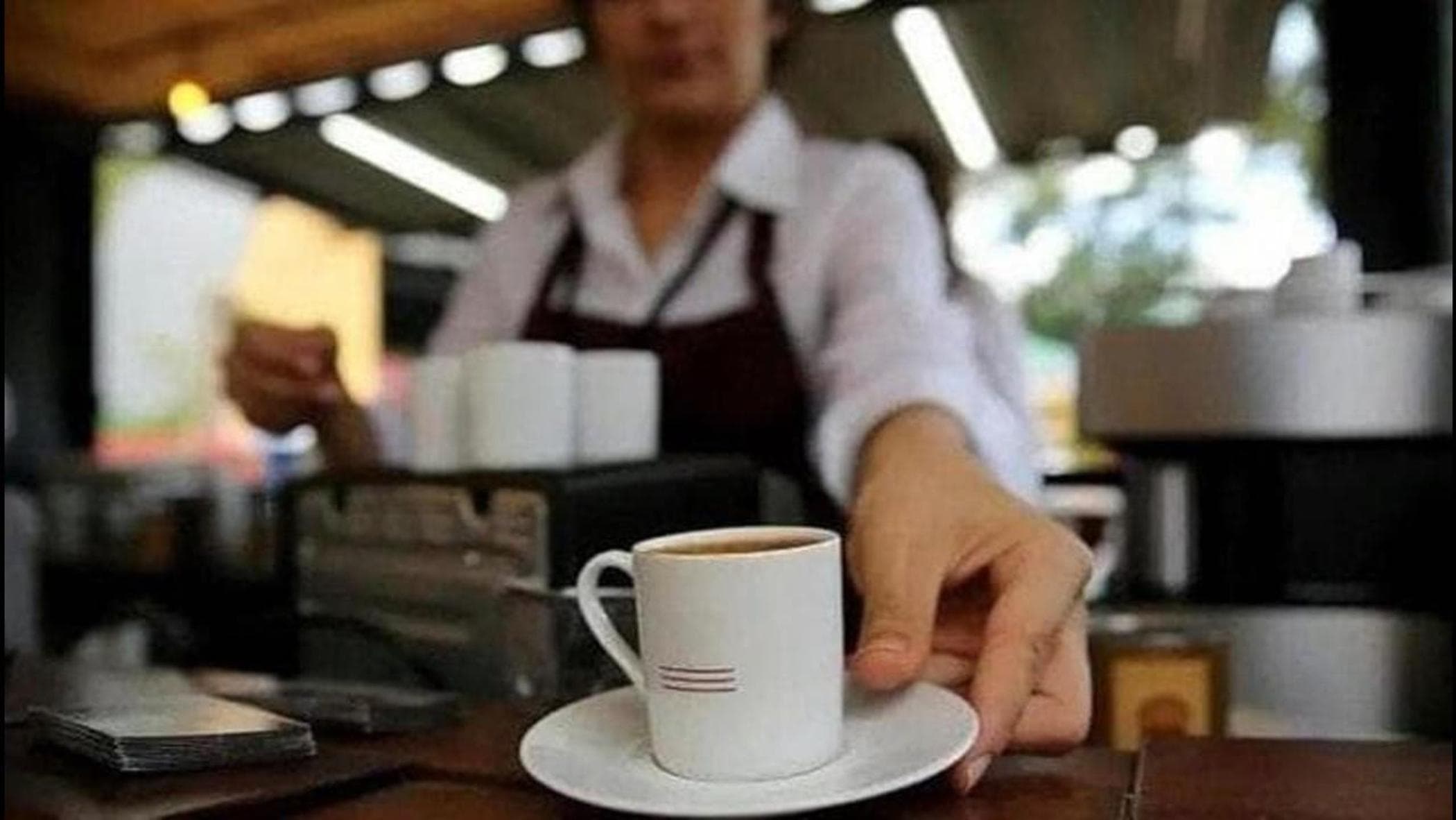
Whole beans gain ground in major European markets
Whole-bean coffee sales have recorded value growth of more than 30% in France, Italy and Germany, according to Nielsen data cited by Italian newspaper La Repubblica. Sales rose by 35% in France, 33% in Italy and 31.2% in Germany. The figures cover three of Europe’s most established coffee markets and point to renewed demand for coffee sold in its least processed retail form.
The gains are notable because capsules have become a prominent part of the European retail coffee category. Their convenience, standardized portions and compatibility with domestic machines helped change how consumers prepare coffee at home. The latest whole-bean figures suggest that a growing part of the market is again willing to grind coffee before brewing, or to use machines that grind beans automatically.
Value growth creates opportunities across the supply chain
For roasters and coffee brands, growth of 31.2% to 35% in sales value can justify greater attention to whole-bean ranges, packaging sizes and product positioning. The category gives suppliers room to differentiate products by origin, roast and blend. Retailers may also need to reconsider shelf allocation between beans, ground coffee and single-serve products if the pattern continues.
The trend can affect equipment suppliers as well. Stronger demand for beans supports sales of grinders and bean-to-cup machines, while potentially changing the economics of systems built around proprietary capsules. However, the Nielsen figures supplied for this report do not include capsule sales volumes or values. They therefore demonstrate rapid growth in whole-bean coffee, but do not by themselves quantify the scale of any decline in capsules.
France leads, while Italy and Germany follow closely
France posted the strongest increase among the three markets, with whole-bean sales value up 35%. Italy followed at 33%, despite its deeply established espresso culture and broad availability of other preparation formats. Germany recorded growth of 31.2%, placing all three countries within a relatively narrow range and suggesting that the shift is not confined to one national coffee tradition.
For producers, exporters and importers, the immediate significance lies in product mix rather than a confirmed increase in total coffee consumption. A greater share of spending on whole beans can influence demand for particular origins, roast profiles and quality grades, although the available figures provide no breakdown by supplier country or coffee variety. Brands and retailers will need additional volume data to determine how much of the value increase reflects higher quantities, premium products or price changes. Even with that limitation, growth above 30% across France, Italy and Germany makes whole-bean coffee a segment that European market participants can no longer treat as secondary.