Which Countries Still Drive Global Coal Demand
Coal remains central to several major economies because it is cheap and widely available, even as the energy transition advances. Demand is now concentrated in fast-growing, industrialising regions, splitting the market between mature economies phasing coal down and consumers where power and industry still lean on it.
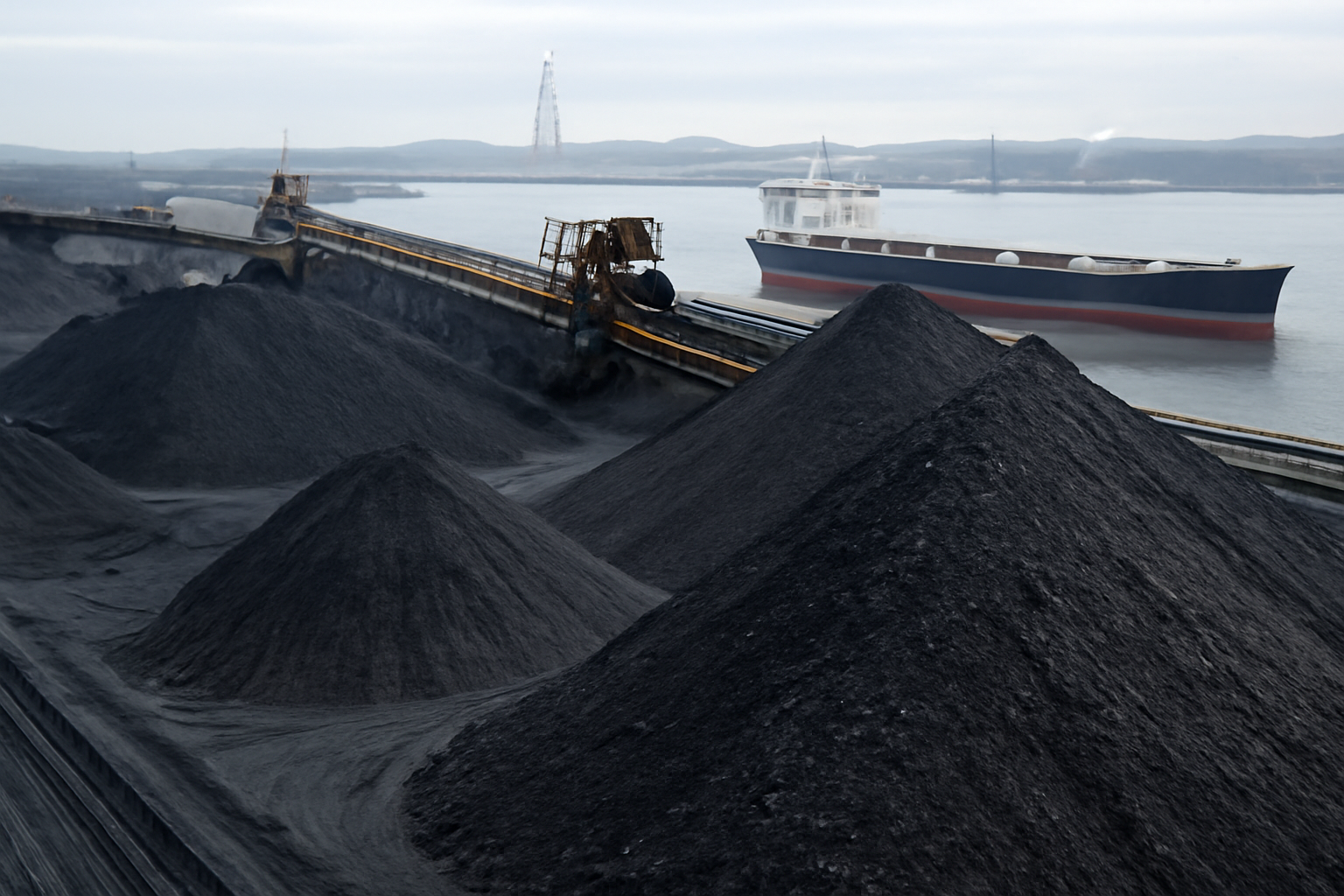
An old fuel that refuses to fade
Coal was the indispensable energy source of the Industrial Revolution, valued because it was cheap and widely available. Two centuries on, those same advantages keep it embedded in the energy systems of several major economies, even as the broader energy transition shifts capital toward renewables and gas.
For importers, exporters and market analysts, the relevant question is where consumption stays strong enough to keep thermal and coking coal moving across borders. Coal demand is not uniform: it concentrates in economies where electricity needs are rising quickly and where heavy industry still depends on solid fuel.
Power generation remains the anchor
The single largest use of coal is electricity generation. In countries where power demand is expanding, driven by population growth, urbanisation and industrial output, coal-fired plants continue to supply baseload capacity that is difficult and costly to replace at scale. Cheap coal, whether domestically mined or imported, offers a measure of energy security and price stability that intermittent renewables cannot yet fully match.
This keeps a steady pull on seaborne thermal coal, the grade burned in power stations. As long as new and existing plants stay online, importing nations without sufficient domestic reserves remain reliant on international supply.
Heavy industry and the coking coal trade
Beyond power, coal is essential to steelmaking. Coking, or metallurgical, coal is a raw material for blast-furnace steel, and there is no cheap, drop-in substitute at current technology levels. Cement production is another heavy consumer. Economies building out infrastructure such as roads, housing and factories pull in both energy and metallurgical coal, tying coal demand directly to construction and manufacturing cycles.
For exporters, this split matters: thermal and coking coal trade on different fundamentals. A slowdown in construction hits metallurgical grades first, while a hot summer or a cold winter can lift thermal demand independently.
The transition pulls the other way
Working against this demand are policy commitments, cheaper renewables and, in some markets, abundant natural gas. Many governments have pledged to cut coal use, and financing for new mines and plants has become harder to secure. The result is a two-speed picture: falling or flat consumption across much of Europe and North America, set against resilient or growing use in parts of Asia and other industrialising regions.
For the trade, that divergence defines the market. Price and volume risk now sits less with mature economies, where coal is being phased down, and more with fast-growing consumers whose electricity and industrial needs still outpace the build-out of alternatives.
What to watch
- Electricity demand growth in industrialising economies, the main driver of thermal coal imports.
- Construction and steel output, which set the direction for coking coal.
- The pace of renewables and gas additions, which erode coal's share where they scale fastest.
- Policy and financing conditions, which increasingly decide whether new coal capacity is built at all.