West Flemish red-brown beer becomes first Belgian beer with EU geographical protection
The EU has granted protected geographical indication status to West Flemish red-brown beer, making it the first Belgian beer covered by this form of regional protection. The designation gives authorized producers stronger labeling and marketing rights while protecting the registered name against imitation across the EU.
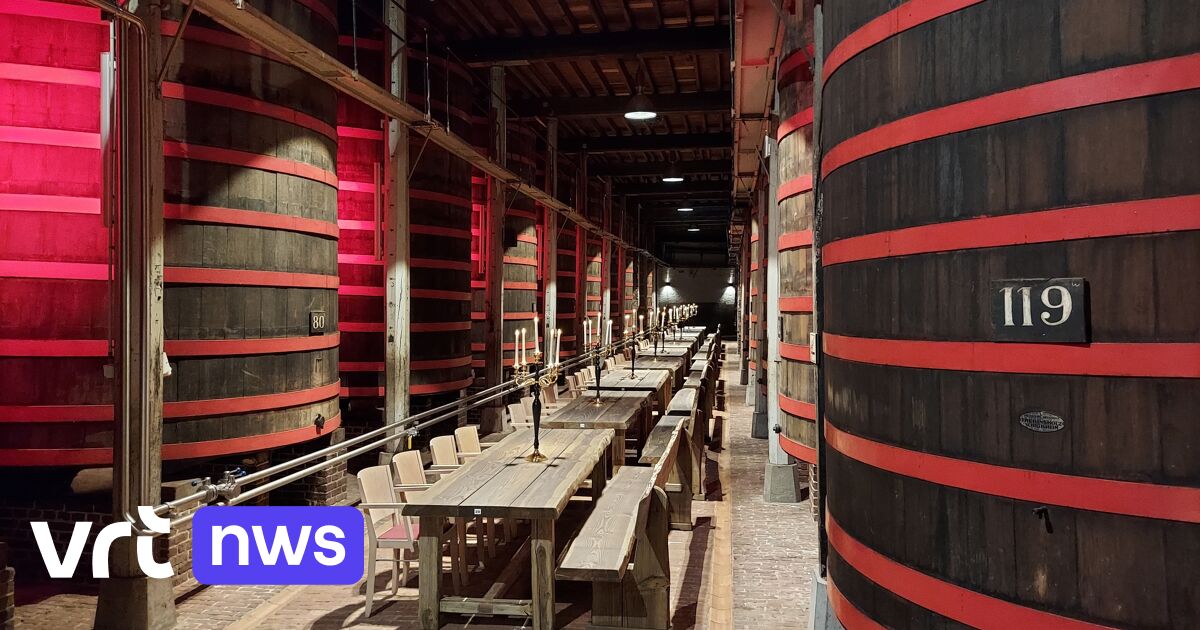
EU recognizes a regional Belgian beer style
West Flemish red-brown beer has become the first Belgian beer to receive protected geographical indication status from the European Union. VRT reported that the European Commission recently recognized the quality and distinctive character of the mildly sour beer, which is brewed primarily in the Belgian province of West Flanders.
The protected geographical indication, or PGI, places the beer on the EU register of products whose reputation, characteristics or production are linked to a particular region. The designation allows compliant producers to use the protected name and gives them a legal basis to challenge imitation or misuse within the EU single market. The Commission also said recognition helps consumers identify protected products and gives producers additional marketing opportunities, including in international markets.
The registration followed a process lasting about 15 years. Eight breweries joined the effort: Rodenbach, Verhaeghe, De Brabandere, Omer Vander Ghinste, Strubbe, Vanhonsebrouck, The Brew Society and ’t Verzet. They established the Hoge Raad voor de Authentieke Vlaamse Rood Bruine Bieren, or High Council for Authentic Flemish Red-Brown Beers, to represent their interests and pursue European recognition.
Production method defines the beer
The beer is produced from barley malt, yeast, grain, fermentable sugar, lactic acid bacteria, local brewing water and hops. Brewers may add spices or red fruit depending on the intended flavor profile, but coloring agents are not used. Maturation for several months in oak vessels transfers tannins and wood aromas to the beer.
Production relies on mixed fermentation. According to VRT, the beer generally consists of 75% young beer and 25% beer matured for several months in large oak barrels traditionally known as foeders. The European Commission said this maturation technique is distinctive within Belgian brewing culture and creates the style’s characteristic mildly sour taste.
The oldest known description of the West Flemish tradition dates from 1851, although the brewing practice itself is considered older. The Commission linked the beer’s reputation to its product specifications and to the knowledge accumulated by local brewers.
Protection covers a group of established producers
Well-known examples include Rodenbach from the brewery of the same name in Roeselare, Duchesse de Bourgogne from Verhaeghe in Vichte and Vander Ghinste Roodbruin from Omer Vander Ghinste in Bellegem. Other beers identified by VRT include Ichtegem’s Grand Cru from Strubbe, Petrus Roodbruin from De Brabandere, Oud Bruin from ’t Verzet and XII Flemish Red Ale from SOSAB.
West Flemish red-brown beer now joins an EU geographical indication and protected designation register containing more than 3,900 products. Belgium has 20 products with regional protection, including Geraardsbergse Mattentaart, Limburgse Vlaai and Brussels ground chicory.
Belgian beer already has recognition under another EU scheme. Oude Geuze and Oude Kriek have been protected as traditional specialities guaranteed since 1997. Unlike a PGI, that designation protects a traditional recipe or production method rather than a product connected to a defined territory. Efforts to seek European protection for Spéciale Belge and Saison are not currently being pursued, according to VRT.