West Bandung Coffee Producers Explore Dubai Market After Saudi Export
West Bandung’s chamber of commerce is exploring access to Dubai for regional coffee producers following sales to Saudi Arabia and Germany. Limited processing capacity and raw-material supply remain the main obstacles to converting buyer interest into larger shipments.
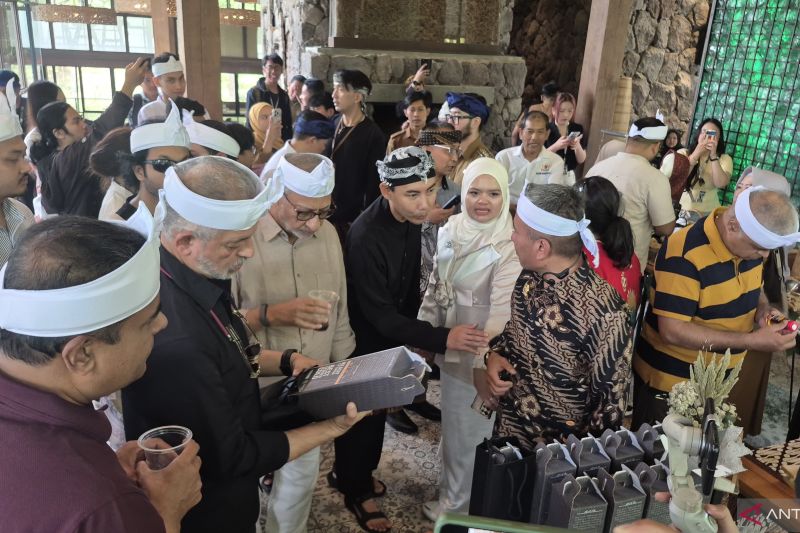
Chamber opens talks with Dubai delegation
The West Bandung branch of the Indonesian Chamber of Commerce and Industry, known as Kadin, is exploring a route for locally produced coffee into Dubai, United Arab Emirates. The initiative follows earlier shipments of Lembang coffee to Saudi Arabia and sales to Europe, particularly Germany, according to ANTARA and Koran Jakarta.
Kadin West Bandung Chairman Syamsul Maarif raised the opportunity during a business meeting with a delegation from Dubai. He presented the region’s coffee quality and its previous export record as a basis for potential cooperation. The discussions are still at the market-development stage: the reports identify no confirmed Dubai buyer, contracted volume, price or shipment date.
Saudi order exposes capacity constraints
The region’s clearest reference transaction is the first export of Gunung Tangkuban Parahu arabica coffee from Lembang district to Saudi Arabia. The shipment comprised four tonnes of pineapple-fermented green beans and was valued at approximately Rp800 million. Tonas Kopi manager and farmer Dikdik Ramdaniansyah said the deal began with five samples produced using different processing methods. A buyer in Riyadh selected the pineapple-fermented lot.
The Saudi buyer’s initial demand reached 25 tonnes, but Tonas Kopi could supply only four tonnes in the first shipment because of limited production capacity and raw-material availability. The gap between requested and delivered volume illustrates the immediate challenge facing any Dubai expansion. Market access alone will not produce sustained exports unless processors can aggregate enough coffee, maintain the selected processing profile and deliver consistent lots.
Producer plans two- to threefold expansion
Tonas Kopi currently purchases about 50 tonnes of coffee from farmers in Cibodas village. It aims to increase production capacity by two to three times, which would require more than 100 tonnes of raw material. That target would broaden procurement from growers, but the sources provide no timetable, investment figure or financing plan for the expansion.
Capacity-building has received support from Indonesia’s Ministry of Manpower, which provided free training to around 50 to 100 West Bandung coffee businesses. The program covered the production chain from seedlings, land management and harvesting to processing. For prospective buyers, these steps matter because quality assurance begins at farm level and continues through fermentation, drying, sorting and preparation for export.
Commercial requirements remain unresolved
The Saudi transaction offers West Bandung producers evidence that a differentiated product can attract overseas demand and a transaction value of about Rp200 million per tonne. That figure is derived from the reported shipment value and volume, rather than a disclosed standard market price. It therefore should not be treated as a benchmark for a possible Dubai contract, particularly because the selected coffee used a specialized fermentation method.
Turning the Dubai discussions into shipments will require agreement on samples, grade, processing method, volume and delivery terms. The experience in Riyadh suggests sampling can determine the final product specification. For producers and traders, the central issue is whether supply can rise without weakening lot consistency. For Dubai buyers, West Bandung offers an established export record, but commercial commitments will depend on reliable capacity rather than promotional meetings alone.