Poultry growth in Guinea and Côte d’Ivoire draws interest from US corn exporters
Expanding poultry and livestock industries in Guinea and Côte d’Ivoire are increasing demand for animal feed, according to Agence Ecofin. US corn exporters are examining the two West African markets as potential new outlets.
Poultry expansion raises demand for feed
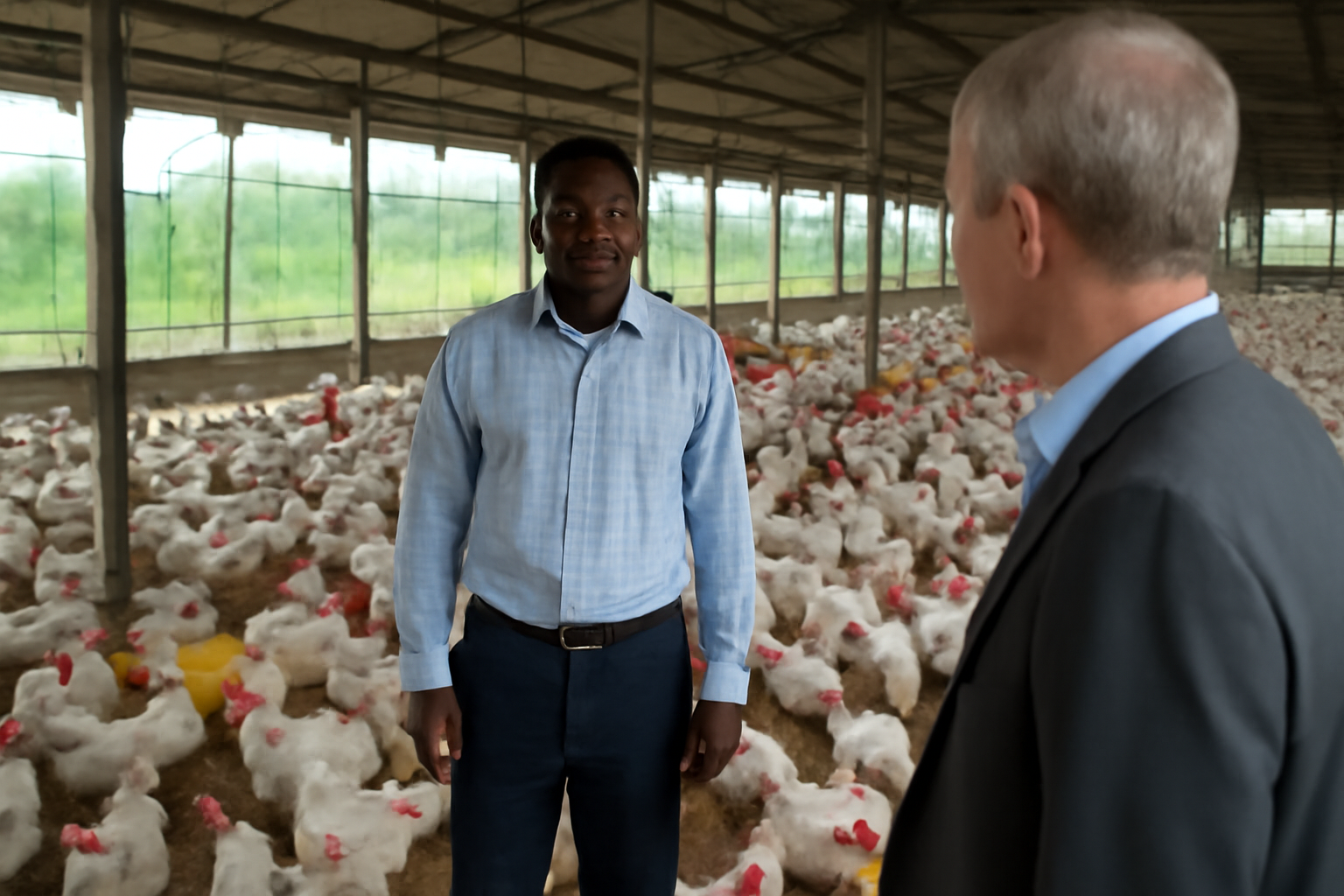
The expansion of poultry and livestock production in Guinea and Côte d’Ivoire is stimulating demand for animal feed, bringing the two West African markets to the attention of US corn exporters. Agence Ecofin reports that the growing importance of the region’s poultry industries is increasing requirements for maize, a central ingredient in many feed formulations.
The development connects two parts of the agricultural supply chain. Poultry producers need reliable feed supplies to sustain flock growth, while grain exporters need markets capable of absorbing additional volumes. Rising feed consumption therefore creates opportunities not only for corn suppliers, but also for feed manufacturers, storage operators, transport companies and distributors serving livestock farms.
US suppliers assess a new outlet
Interest from US exporters indicates that Guinea and Côte d’Ivoire are being considered as potential destinations for American corn. The available source material does not specify prospective shipment volumes, contract values, prices or delivery schedules. It also does not report that a sale has been completed. The immediate development is commercial interest generated by stronger feed demand rather than a confirmed change in trade flows.
For US suppliers, access will depend on whether imported corn can meet the commercial requirements of local buyers. Price, freight, delivery reliability, grain quality and the ability to supply appropriate volumes will shape purchasing decisions. For importers and feed processors, the practical question is whether another origin can improve continuity of supply or create more competition among sellers without raising the cost of finished feed.
Feed economics will shape poultry competitiveness
Corn availability matters because feed is a recurring input for poultry farms. A broader supplier base can give feed producers and importers more procurement options, but overseas interest alone does not guarantee transactions. Buyers must compare landed costs and supply conditions with those offered by domestic production and other external origins. Port handling, inland transport and storage will also influence the final cost paid by farms.
The implications extend across the poultry value chain. If feed manufacturers secure dependable maize supplies, expanding poultry businesses may be better placed to plan production and maintain regular deliveries to their customers. If grain costs or logistics prove unfavorable, higher feed demand could instead place pressure on processors and farmers. The emerging interest from the United States consequently highlights both the growth potential of poultry production in Guinea and Côte d’Ivoire and the importance of feed procurement to that growth.
For market participants, the next relevant signals will be concrete purchasing tenders, supply agreements or reported cargoes. Until those appear, the story remains one of market development: expanding poultry industries are creating demand, and US corn exporters are assessing whether they can serve it competitively.