West African demand keeps Indian rice freight active despite port congestion
West Africa has emerged as the strongest segment of India’s rice-export freight market, with non-basmati shipments exceeding 1 million tonnes. Firm demand is supporting vessel activity, but congestion, higher domestic rice prices and weak export parity are making buyers and exporters cautious.
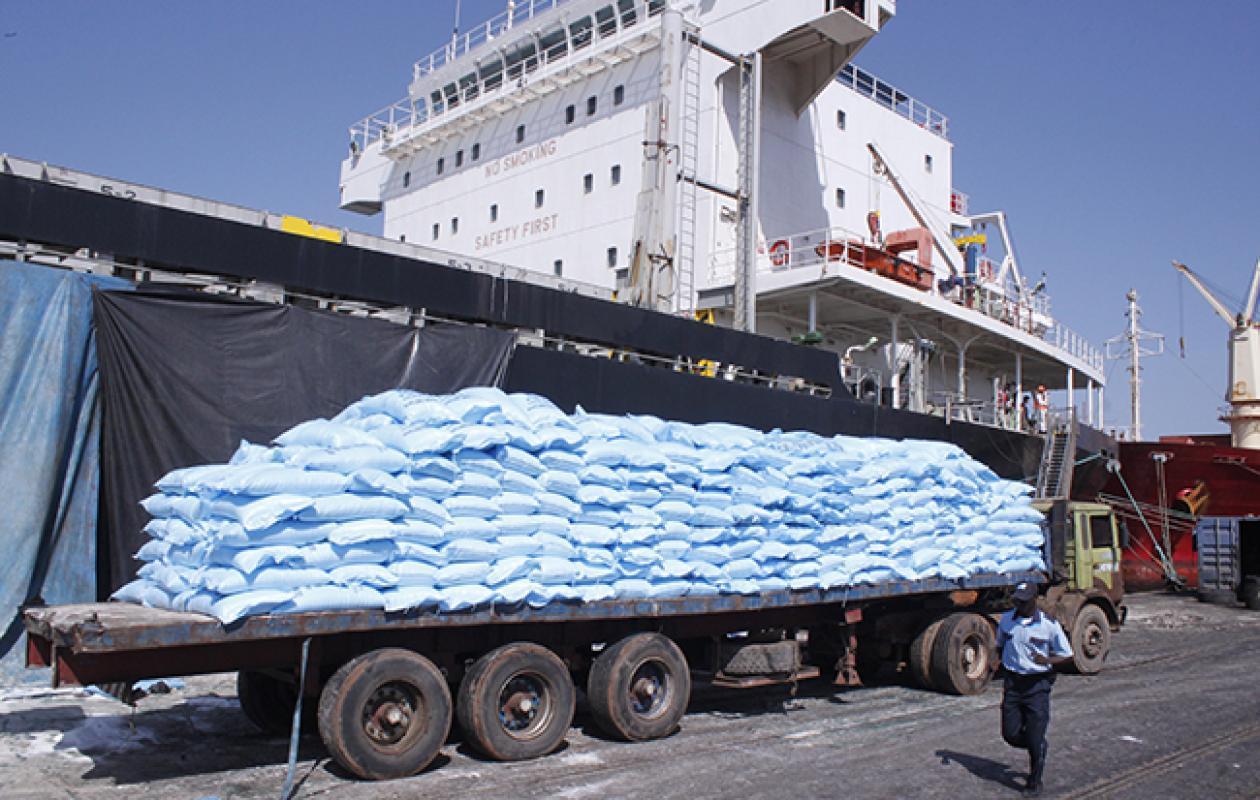
West Africa leads a mixed freight market
West Africa has become the most active segment of India’s rice-export freight market, even as conditions across the wider market remain uneven. PressAfrik, citing a BigMint assessment dated August 26, 2026, reported that shipments of Indian non-basmati rice to the region exceeded 1 million tonnes, with Benin leading the destination markets.
The flow reflects firm demand from West African buyers and continued shipment activity toward Benin, Togo and Nigeria. Cotonou remains an important discharge point for Indian rice, although a trader quoted in the report said export parity had not yet recovered. That gap means cargoes are moving, but the relationship between Indian procurement costs, freight and destination prices remains difficult for exporters.
Congestion raises costs and delays cargoes
Strong demand is colliding with operational pressure at West African ports. PressAfrik identified Abidjan as one of the main trouble spots, where terminal congestion is causing significant delays. A shipbroker cited by the publication said Abidjan was becoming more expensive while demand remained strong, illustrating how port constraints can support freight rates even when commodity buyers resist higher offers.
Logistical problems are also affecting the Indian end of the supply chain. The Economic Times reported in August that cargo clearance at Kandla had extended to 35-40 days. The Indian Rice Exporters Federation sought priority berthing for the MV ORIENT GLORY, a vessel with capacity to load about 26,750 tonnes of rice for Angola. The federation warned that delays could create commercial losses and contractual liabilities because the relevant Angolan import permits were valid only until August 31.
Domestic prices weaken export parity
Freight is not the only constraint. PressAfrik reported that Indian parboiled rice had risen to $381 per tonne. Destination prices, meanwhile, were broadly stable, according to a market expert cited in the report. Higher domestic values without a matching rise in selling prices reduce exporters’ margins and encourage buyers to postpone commitments or negotiate more aggressively.
BigMint expects bulk freight to West Africa to remain firm but uneven in the short term. Sustained demand and port delays should continue to support freight rates, while poor export parity limits exporters’ willingness to commit cargo. For traders and importers, the central risk is no longer a lack of demand but whether rice can be purchased, shipped and cleared at a cost that works at destination. Benin, Togo, Nigeria and other regional markets may continue receiving Indian supply, but fixture activity will depend on vessel availability, port performance and the spread between Indian and destination prices.