Ghana and Côte d’Ivoire cocoa crop forecasts raise risk of renewed price surge
Ghana’s cocoa harvest is forecast to fall 13% to 650,000 tonnes, while StoneX expects Côte d’Ivoire’s 2026-2027 output to decline 11% to 1.8 million tonnes. Weather disruption and crop disease could tighten global supply before inventories have fully recovered.
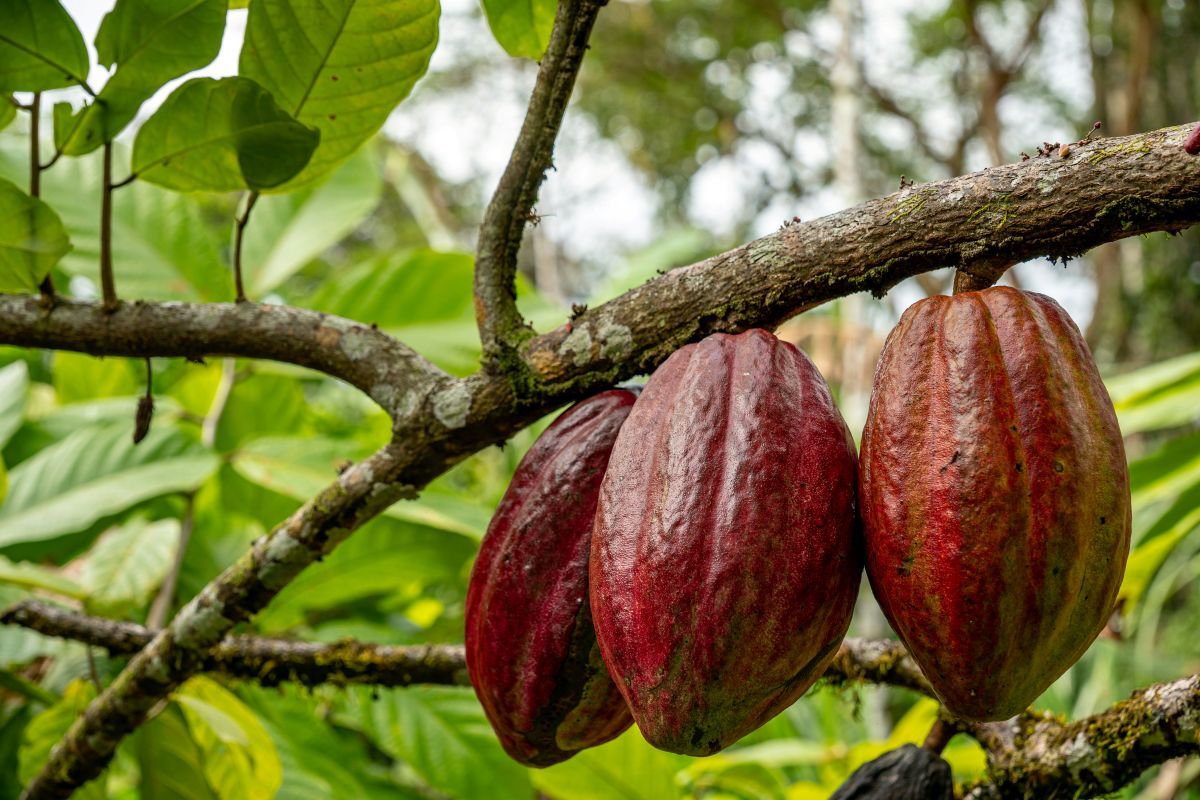
Ghana expects a 13% production decline
Ghana’s cocoa harvest is forecast to fall 13% to 650,000 tonnes, compared with more than 750,000 tonnes last year, according to Sofokleousin, citing estimates from the Ghana Cocoa Board. The projection follows field surveys and counts of cocoa pods and points to another difficult season for the world’s second-largest producing country.
The expected loss of more than 100,000 tonnes is significant for a global market that remains sensitive to supply changes in West Africa. Ghana and Côte d’Ivoire are the world’s two leading cocoa producers, making the performance of their plantations central to the availability and cost of beans used by processors and chocolate manufacturers.
Weather and disease threaten yields
A strong El Niño is contributing to sharp changes in rainfall across the region, ranging from prolonged dry periods to flooding, Sofokleousin reported. Both extremes can reduce cocoa-tree productivity: drought limits plant development, while excessive moisture disrupts field work and creates conditions in which crop diseases can spread.
Heavy rainfall in recent weeks has increased the risk of black pod disease, which causes cocoa pods to rot. The threat is particularly acute in growing areas where farmers have limited access to crop-protection products. Disease pressure could therefore deepen losses already associated with unstable rainfall and complicate efforts to improve yields during the season.
Côte d’Ivoire forecast adds to supply concerns
Conditions in Côte d’Ivoire are also being closely watched. New flowering was observed in southern producing regions in August, but StoneX estimates that the country’s output could fall 11% in the 2026-2027 season to 1.8 million tonnes. The forecast suggests that improved flowering alone may not be sufficient to offset the wider effects of weather volatility and disease risks.
The production outlook comes as cocoa futures trade near $6,000 per tonne, twice the approximately $3,000 recorded in February, according to Sofokleousin. Prices reached a record of $13,000 per tonne in late 2024 after successive poor harvests. Although the market subsequently retreated from that peak, global inventories have not fully recovered, leaving limited protection against another major disruption.
If the Ghanaian and Ivorian forecasts are confirmed, processors would face renewed competition for available beans. Higher raw-material costs could squeeze grinding margins and raise costs throughout the chocolate supply chain. Traders and manufacturers will consequently be watching rainfall, disease incidence and pod development closely, because relatively small changes in the region’s crop outlook can produce large movements in a market with depleted stocks.