Weather risks may lift China’s feed-grain imports in 2026/27
China may increase imports of corn, barley and sorghum in 2026/27 if extreme weather reduces the quality of its domestic corn crop. Russia could gain additional business, but it will face competition from Brazil, Argentina, Australia, Canada and the United States.
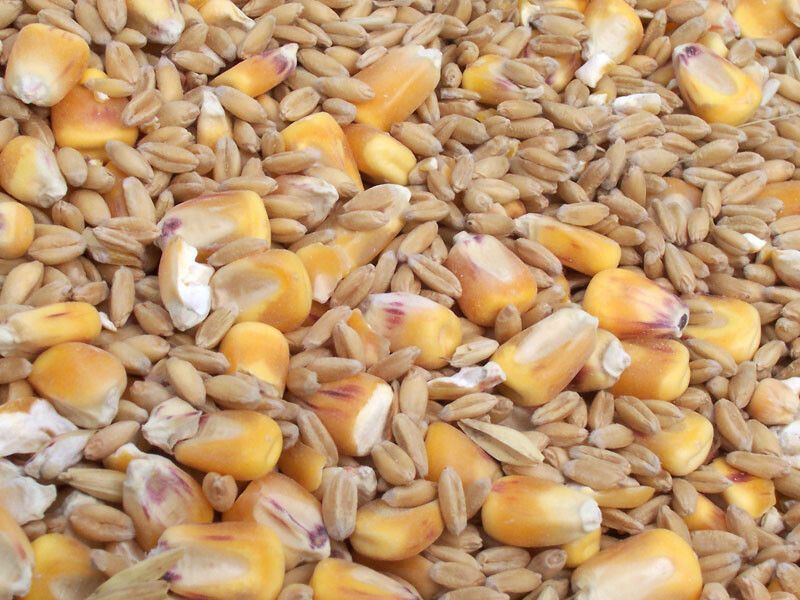
Extreme weather threatens crop quality
China may increase feed-grain imports in the 2026/27 agricultural season if adverse weather reduces the quality of its domestic corn crop, according to Russia’s federal Agroexport center. Since mid-July, several Chinese corn-growing regions have experienced abnormally high temperatures, heavy rainfall and flooding.
No estimates of potential crop losses have been published. Some analysts believe that China could avoid a substantial decline in production because the area planted with corn has increased by about 0.4%. However, the condition of the harvested grain may prove more important than total output for feed processors. Lower-quality domestic corn could prompt buyers to seek additional supplies from overseas even if the overall harvest remains high.
Corn imports remain below historical levels
The US Department of Agriculture forecasts that China will import about 5 million tonnes of corn in 2026/27, an increase of 1 million tonnes from the previous season. That would remain far below the country’s earlier import peak of 29.5 million tonnes in a season. China’s reliance on imported corn has declined in recent years as domestic production has expanded.
Purchasing activity nevertheless accelerated during January–July 2026. China increased corn imports by 1.6 times year on year, barley purchases by 1.5 times and sorghum imports by almost 1.9 times, Agroexport reported. The current outlook puts barley imports at 11.2 million tonnes, down 2.3 million tonnes from the previous season, and sorghum imports at 6.6 million tonnes, down 0.9 million tonnes. Weather-related quality problems could alter those trajectories because barley and sorghum can replace corn in feed formulations.
Russia faces a diversified supplier market
Russia is well placed to compete for some incremental demand. Brazil, Russia and Argentina together accounted for about 93% of China’s corn imports in January–July. Russian grain also has a position in the Chinese barley market, where the principal suppliers are Australia, Canada, Argentina and Russia.
Any increase in Chinese buying will not automatically translate into equivalent gains for Russian exporters. China maintains a broad supplier base, and purchasing decisions will depend on price, grain quality, logistics and contract terms. Brazil and Argentina remain major competitors in corn, while Australia and Canada are important sources of barley.
US trade policy adds another competitive factor
American suppliers may also capture part of any additional demand. Agroexport pointed to an agreement signed by China and the United States in 2026 that provides for annual Chinese purchases of US agricultural products through 2028. The United States is already China’s key supplier of sorghum.
The central uncertainty is therefore not simply the size of China’s harvest, but the share that meets the requirements of feed manufacturers and processors. Continued weather damage could open a larger import window for corn and its substitutes. For Russian exporters, converting that opportunity into sales will require competitive prices and reliable logistics to Chinese customers.