Weak Far East salmon catch tests Russian holiday supply
Russia’s 2026 wild salmon catch reached just over 99,300 tonnes, well below the forecast of 227,000 tonnes. Rosrybolovstvo says domestic shortages are unlikely as producers redirect fish from exports and farmed trout and Atlantic salmon output expands.
Wild catch falls far short of forecast
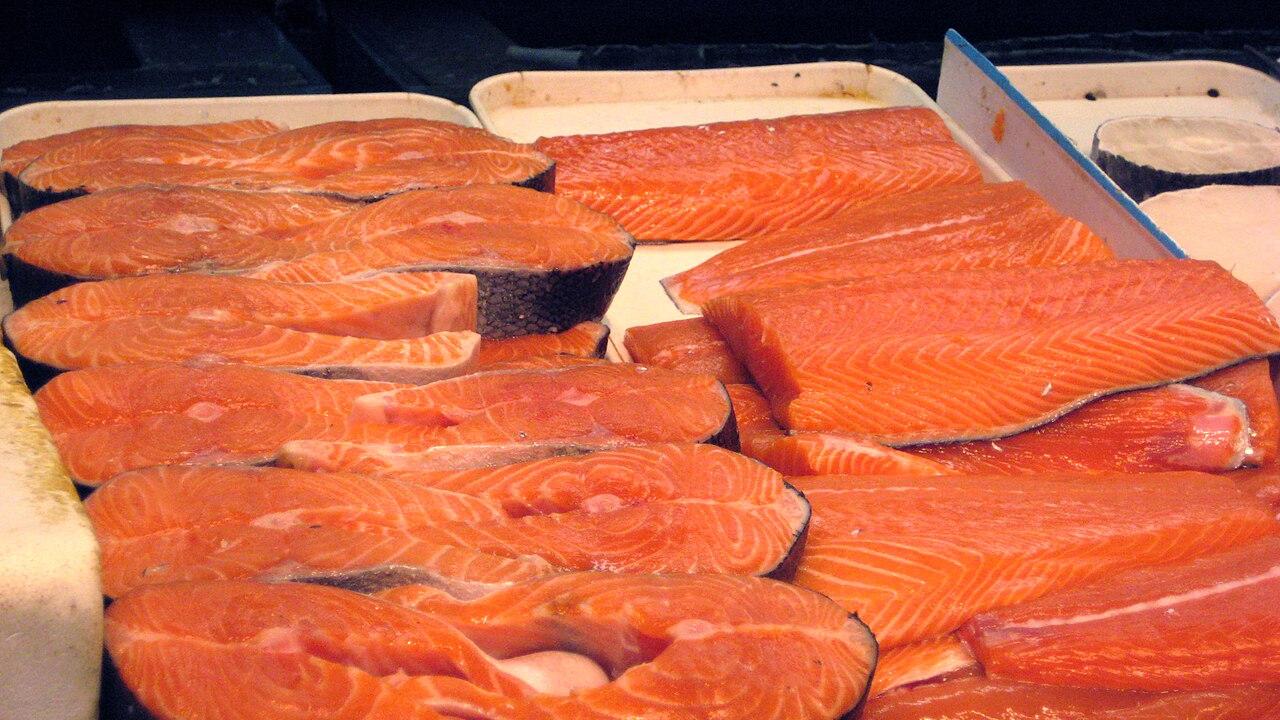
Russia’s 2026 salmon season delivered just over 99,300 tonnes, less than half the scientific forecast of 227,000 tonnes, according to Pravda.Ru. The shortfall in Far Eastern waters has prompted discussion of whether financial obligations should be revised for some fishing companies whose business plans depended on a substantially larger harvest.
Mikhail Glubokovsky, scientific director of the Russian Federal Research Institute of Fisheries and Oceanography, said salmon abundance has shown a broader downward trend in recent years. The result raises concerns for processors and sellers of red fish and roe ahead of the New Year holiday period, when Russian consumer demand is particularly important.
Regulator says shortages are unlikely
Rosrybolovstvo, Russia’s federal fisheries agency, said there was no risk of salmon species disappearing from retail shelves. The agency monitors spawning-ground occupancy and catch dynamics around the clock, using the data to adjust fishing decisions intended to protect Pacific salmon populations and ensure rational use of the resource.
The regulator stressed that salmon runs are cyclical, vary by species and begin at different times across the Far East. Climatic conditions also influence catches in other major salmon-producing countries, particularly the United States and Japan. This means the Russian shortfall is part of a wider biological and climatic challenge rather than an isolated supply event.
Domestic allocation is another buffer. Pravda.Ru reported that some large operators, including AO DRUK, are voluntarily withdrawing from export contracts to meet Russian demand. Rosrybolovstvo head Ilya Shestakov has previously said that available volumes of red fish and roe are sufficient for consumers, including during the New Year holidays. Prioritising domestic sales may support availability, although the source provided no retail price forecast.
Aquaculture provides a larger supply cushion
Farmed production is becoming more important as the wild catch weakens. During the first nine months of 2026, Russian production of trout and Atlantic salmon rose 32.2% to 130,500 tonnes, Rosrybolovstvo told Pravda.Ru. That volume exceeded the reported wild salmon catch, although the two categories differ by species, production cycle and market positioning and therefore cannot be treated as perfect substitutes.
New salmon-release rules are intended to give hatcheries greater flexibility in managing the reproduction of aquatic biological resources. Fishing companies must also follow updated scientific standards for replenishing wild stocks. These measures may strengthen future supply, but they do not remove the immediate exposure of Far Eastern fishing businesses to weak runs and lower-than-planned utilisation.
Russia’s total harvest of aquatic biological resources exceeded 4.1 million tonnes and remained level with the previous year, according to the agency. Stronger catches of herring and pollock compensated for the salmon shortfall in the national total. For the salmon market, however, the key holiday-season safeguards are more specific: diversion of export volumes to Russian buyers, continued growth in aquaculture and active management of the remaining wild resource.