Weak Demand Slows Egypt’s Sweet-Potato Season as Production Rises
Egyptian sweet-potato production may be about 15% higher than last season, but demand across its main European markets remains weak. Exporters face spoilage, pressure on prices and requests for consignment sales while growers delay harvesting.
Supply growth outpaces demand
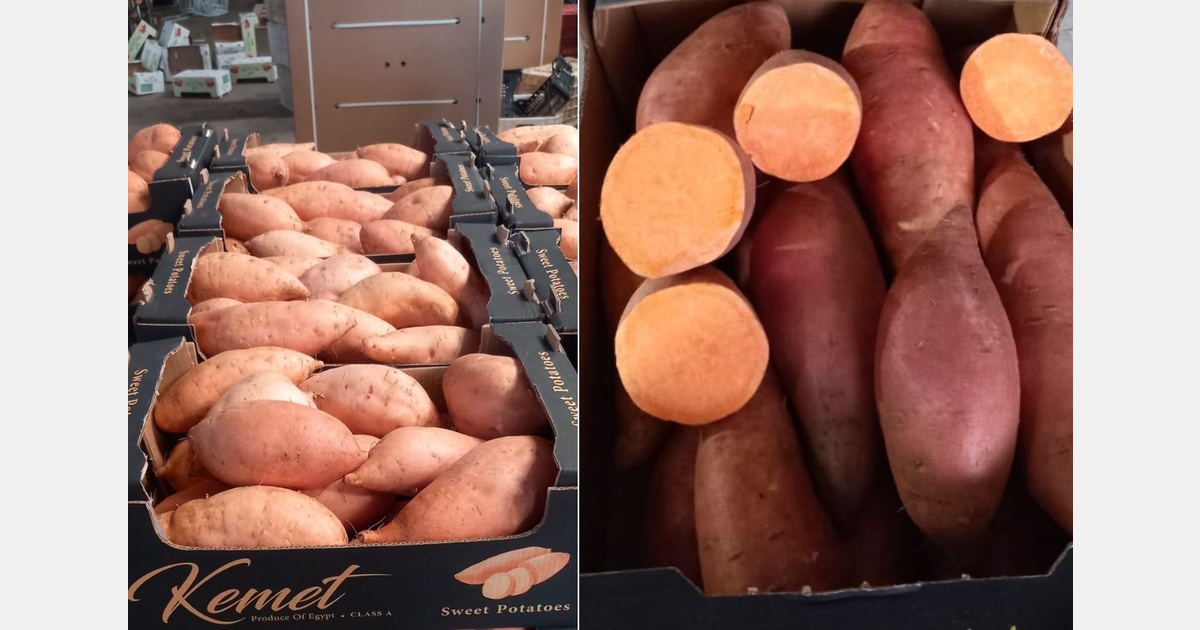
Egypt’s sweet-potato season is slowing under the weight of weak purchasing and an abundant crop, creating mounting pressure on growers and exporters. Mostafa Ali of Premium Sourcing told FreshPlaza that production had increased for the second consecutive year. Some estimates indicate growth of about 15% compared with last season, while demand has failed to keep pace with the available volumes.
The imbalance is particularly significant because Egypt’s export outlets for sweet potatoes remain concentrated in a relatively narrow group of countries. The United Kingdom is the principal destination, according to Ali, with Spain, the Netherlands and France also serving as important Western European markets. Lithuania and Romania import significant volumes in Eastern Europe. Demand is currently weak across all these destinations, limiting exporters’ ability to redirect excess supply.
Warm weather delays seasonal buying
Ali linked the slowdown mainly to seasonal consumption patterns and an unusually hot European summer. Sweet-potato consumption normally strengthens during cooler periods, meaning prolonged heat has reduced buying at a time when Egypt has more product to market. He expects demand to improve toward the end of September and the beginning of October as temperatures gradually fall.
That expected recovery may not come quickly enough for every part of the crop. FreshPlaza reported that the extended slowdown is already causing volume losses through spoilage. Growers are delaying harvesting for as long as possible to avoid adding more produce to an already saturated market, but Ali warned that harvesting cannot be postponed indefinitely.
The pressure is therefore moving back through the supply chain. Farmers must balance the risk of leaving roots in the ground against the possibility that harvested sweet potatoes will encounter insufficient demand. Exporters, meanwhile, must manage storage life, product quality and customer negotiations while waiting for colder weather to stimulate consumption.
Buyers seek lower prices and consignment terms
Weak absorption has also changed commercial terms. Ali said some customers were using the current conditions to push prices lower or request sales on consignment, under which payment depends on the product’s subsequent sale. He said he refuses to trade on that basis, although other Egyptian exporters have accepted such arrangements.
For suppliers, consignment sales transfer more market and spoilage risk to the exporter. Acceptance of those terms by some operators can also intensify competitive pressure across the sector when volumes are already plentiful. Ali nevertheless expects the market eventually to recover.
Storage, varieties and processing offer longer-term options
Despite the difficult season, Ali described sweet potatoes as a strategic crop for Egypt. More exporters are entering the business, and some have chosen to specialize exclusively in the product. He sees an opportunity to consolidate the sector and strengthen Egypt’s position as a major supplier to the global market.
Doing so will require more investment after harvest. Ali identified curing facilities as essential for extending shelf life and improving marketability during periods of weak demand. Better post-harvest handling could give exporters more time to sell and reduce the losses caused by deterioration.
He also called for production to expand beyond the Beauregard and Bellevue varieties to reach a broader consumer base. Local value-added processing represents another possible outlet for surplus volumes. Developing sweet-potato products and by-products for domestic production and export could reduce dependence on the fresh market, although Ali said this area will require much more attention from Egypt’s processing industry.