Watermelon shipments to Russia’s Urals triple as cherry deliveries quadruple
The Urals received 8,000 tonnes of watermelons and more than 2,000 tonnes of seasonal berries from May through June. Watermelon shipments tripled and cherry deliveries quadrupled, with Uzbekistan serving as the leading supplier.
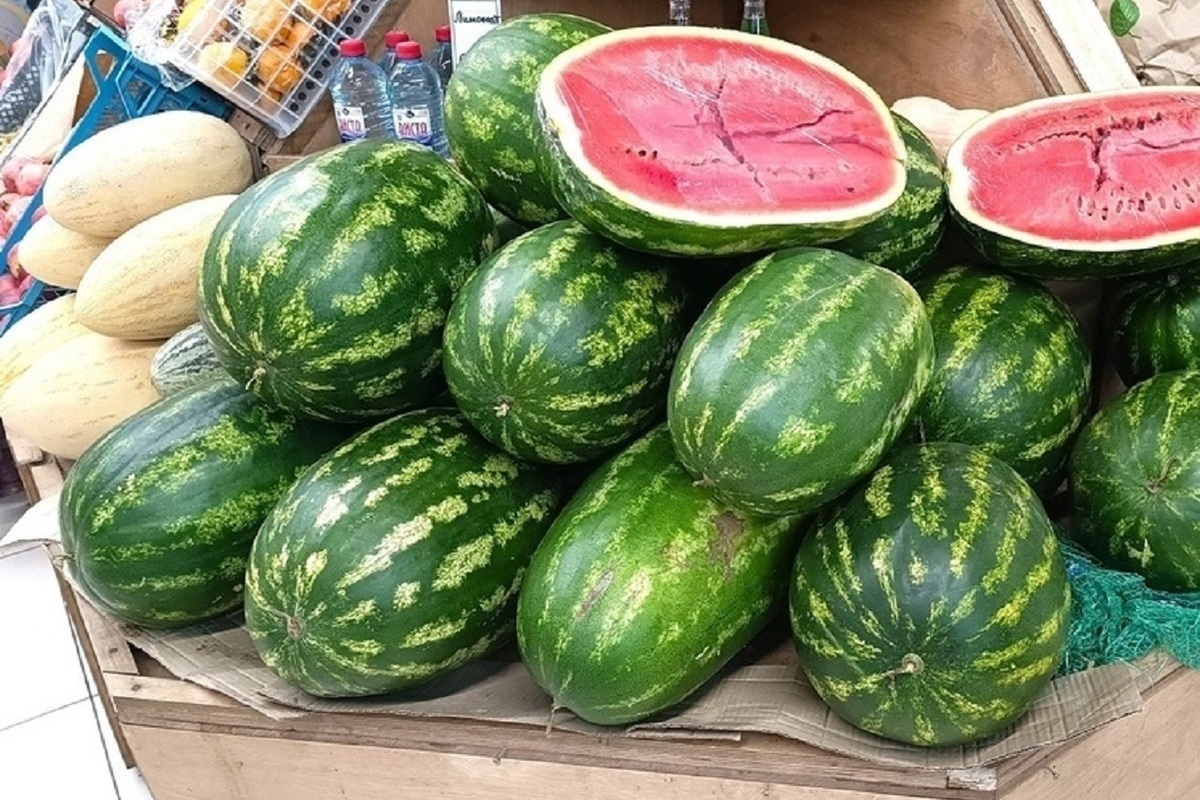
Seasonal produce shipments accelerate
Watermelon and cherry shipments to Russia’s Urals increased sharply at the start of the summer season, highlighting stronger cross-border trade in perishable produce. From May through June, the region received 8,000 tonnes of watermelons and more than 2,000 tonnes of seasonal berries, according to figures from the Urals Customs Administration reported by MK-Ural.
Watermelon deliveries were three times higher than in the corresponding comparison period cited by customs. Cherry shipments increased fourfold. The published data did not provide a country-by-country breakdown for cherries or a separate tonnage for each type of seasonal berry, but it identified Uzbekistan as the main source of both watermelons and cherries.
Uzbekistan dominates watermelon supply
Uzbekistan accounted for 94.5% of all watermelons brought into the Urals during the period. Applied to the reported total, that share shows how heavily the regional market depends on a single Central Asian supply corridor during the early summer season. Watermelons also arrived from China and countries in the Middle East, although the customs data did not disclose their individual volumes.
Uzbekistan was also the principal supplier of cherries, according to MK-Ural. The fourfold growth in deliveries points to a substantial expansion of the seasonal fruit flow, even though the source did not state the total cherry tonnage. For importers and wholesalers, the figures underline Uzbekistan’s central role in supplying fresh produce to inland Russian markets and the importance of fast transport and customs processing for products with limited shelf life.
Customs gives perishables priority
Rafael Zverev, head of the Urals Customs Administration, said customs control for perishable goods is conducted on a priority basis. He linked the accelerated procedures to the need to preserve freshness and move fruit to consumers quickly, adding that customs operations are completed within the shortest possible time.
The larger flow also raises the importance of phytosanitary inspection. MK-Ural previously reported that more than 500 tonnes of watermelons had entered Sverdlovsk Region from Kazakhstan in one large consignment. Specialists from the Urals interregional office of Rosselkhoznadzor inspected the shipment and found no quarantine pests. The entire consignment was subsequently cleared for sale.
Trade implications for regional buyers
The customs figures indicate that the Urals is absorbing considerably more imported summer produce, with growth concentrated in watermelons and cherries. Uzbekistan’s 94.5% share of watermelon deliveries gives its exporters a commanding position, while leaving Urals buyers exposed to changes affecting that route, including shipment timing and the speed of border clearance.
China, Middle Eastern countries and Kazakhstan provide additional supply channels, but the available data do not show whether their shares are expanding. For traders, the immediate signal is a larger seasonal market supported by expedited customs treatment and successful inspection of the reported Kazakh consignment. The absence of price data means the effect of higher volumes on wholesale and retail prices cannot yet be measured from the customs release.