Waterlogged fields obstruct Latvia’s potato harvest and raise crop-loss risk
Persistent rain is preventing harvesting machinery from operating in potato fields across Latvia. The crop was initially considered good, but waterlogging, pest damage and high fuel costs are reducing the volume and value that growers can bring to market.
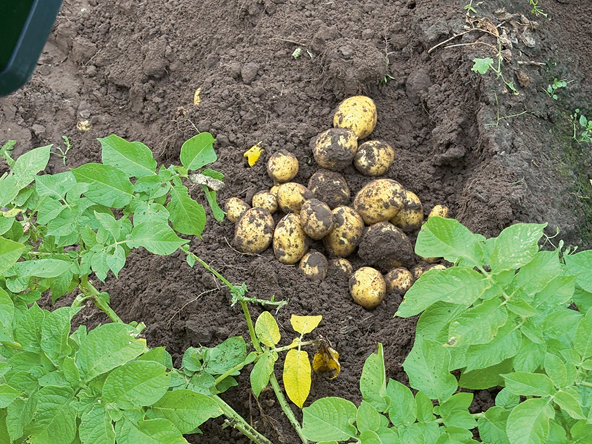
Harvesters cannot enter saturated fields
Waterlogged fields are disrupting the potato harvest across Latvia, leaving part of an otherwise good crop exposed to rot. Aiga Kraukle, chair of the board of the Latvian Potato Growers and Processors Union, told the LETA news agency that harvesting is currently the main difficulty because machinery cannot operate properly on saturated ground.
Kraukle said potato harvesters are unable to enter some fields without becoming stuck. Conditions differ from farm to farm: in the worst-affected locations, excessive moisture makes it difficult even to reach the potatoes on foot, while other fields remain in much better condition. However, growers belonging to the union in every region of Latvia have reported significant problems with waterlogging, according to reports published by Lasi.lv and Bauskas Dzīve.
Rain turns a good crop into an uncertain supply
The underlying crop is sufficiently good, and growers have no general complaint about its volume, Kraukle said. The problem is whether it can be recovered in marketable condition. At her farm, rainfall recorded so far in September reached 110 millimetres, compared with a normal total of 60-70 millimetres for the entire month.
Potatoes cannot remain in standing water for long. Kraukle said tubers exposed to wet conditions for more than two days face a very high probability of rotting. Some losses are therefore considered certain, but the eventual volume cannot yet be estimated. Field conditions can change quickly, and still wetter weather is expected.
The uneven impact complicates any national assessment. Farms able to resume lifting during a dry interval may preserve more of their crop, while potatoes in the most saturated fields could deteriorate before machinery can return. For processors and buyers, the relevant issue is therefore not only the crop’s initial size but the quantity that can be harvested, graded and delivered at the required quality.
Pest damage and costs add pressure
Wet weather is not the only constraint facing Latvian growers. Kraukle said farmers still lack an effective means of controlling cockchafer larvae. Potatoes damaged by the larvae are rejected and do not enter commercial channels, further reducing the saleable share of the crop even where harvesting remains possible.
Production economics are also under strain. Kraukle said fuel is so expensive this year that current revenue from potato sales does not cover growers’ costs. Farmers have limited ability to pass those expenses on because purchase prices are set by buyers. If buyers can obtain cheaper potatoes in Poland, she said, Latvian producers will not be paid more. That competitive pressure means weather-related losses and rejected tubers may weaken farm returns without necessarily producing a corresponding rise in domestic prices. The immediate market outcome will depend on how much of the crop can be recovered before further rain and on the availability of lower-priced alternative supplies.