Early estimates point to an 8% smaller 2026 Washington apple crop
Washington has started harvesting Gala and Honeycrisp apples as early estimates put its 2026 fresh-market crop at 120-125 million 40-pound boxes. Regional frost losses and uncertainty over wildfire smoke also point to a smaller and more uneven US crop.
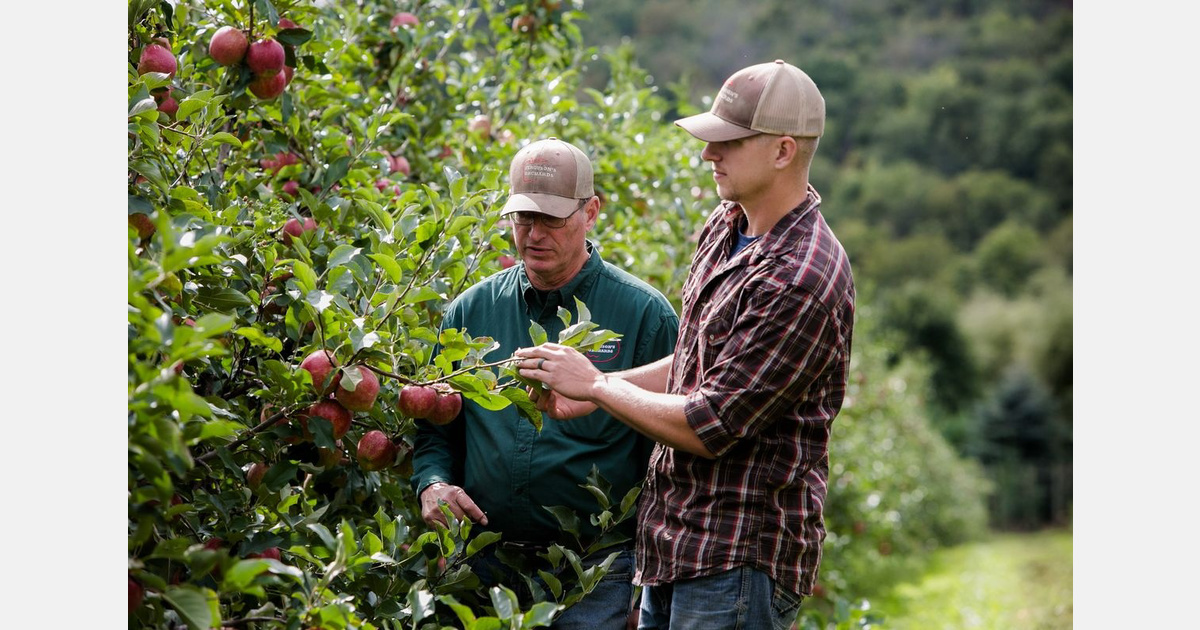
Washington opens the 2026/27 apple season
The first apples of the US 2026/27 season have reached the market, with Gala and Honeycrisp harvesting under way in Washington state. FreshPlaza reports that limited carryover stocks of Gala have left a relatively clear market for the new crop. Honeycrisp sales are also firm as Washington marketing companies move the remainder of last season’s fruit out of storage before new-season arrivals increase.
Demand is similarly strong for early Gala, Sweet Tango and First Kiss apples in eastern growing regions, where retailers are beginning their new-crop programs. Honeybear Marketing’s Don Roper said First Kiss is shipped from Minnesota from late August through November. Its distribution extends across the Midwest, Southeast and south-central United States, reaching Texas and Arizona.
First Kiss production continues to expand
First Kiss, a cross between Honeycrisp and an early Arkansas selection, is among the earliest apples available east of the Rocky Mountains. Its volumes have expanded rapidly in recent years. Based on orchards already in production, output is expected to exceed 100,000 boxes within the next two or three years. The variety’s favorable size profile allows suppliers to offer it both loose and in bags.
Washington volume may fall to 120-125 million boxes
The broader US apple crop is expected to be smaller than last year’s. Early projections indicate that Washington’s 2026 harvest could decline by about 8% from the previous season. The state harvested approximately 132 million 40-pound boxes, equivalent to about 18 kilograms each, for the fresh market in 2025. Initial estimates for the new season range from 120 million to 125 million boxes.
Regional prospects vary. Michigan and the wider Midwest appear set for another relatively large crop. Pennsylvania, parts of New York and areas of the Mid-Atlantic sustained substantial damage from April frost, however. FreshPlaza reports that these losses are expected to reduce total apple production in the eastern United States by nearly 10%. Michigan and the Northeast experienced several spring cold events, although damage differed by production area.
Wildfire smoke adds uncertainty
An April frost in Washington does not currently appear to have caused significant damage to the state’s overall crop. Wildfires and the resulting smoke are a greater immediate concern. Their effects on fruit color and crop load will become clearer in the coming weeks. Roper said lower Washington volume could support better fruit sizing and a more balanced crop if temperatures remain suitable through the rest of the season.
Overall eating quality is expected to be very good, with generally positive assessments in the Midwest and Northeast. Frost-related variability and late-summer weather remain the principal risks. A smaller national harvest could help prices and bring supply closer to demand after several years of weak grower returns, rising production costs, high debt and continued retailer pressure on prices. Some orchard removals and recent financial restructurings may also assist that adjustment, but many growers and packers still have limited financial flexibility.