War-driven supply disruptions open new markets for US and Indian fuel exporters
Conflict-related supply disruptions are redirecting fuel buyers toward exporters in the United States and India, Moneycontrol reports. The shift is creating new sales opportunities and potentially stronger margins as buyers replace unavailable or higher-risk supplies.
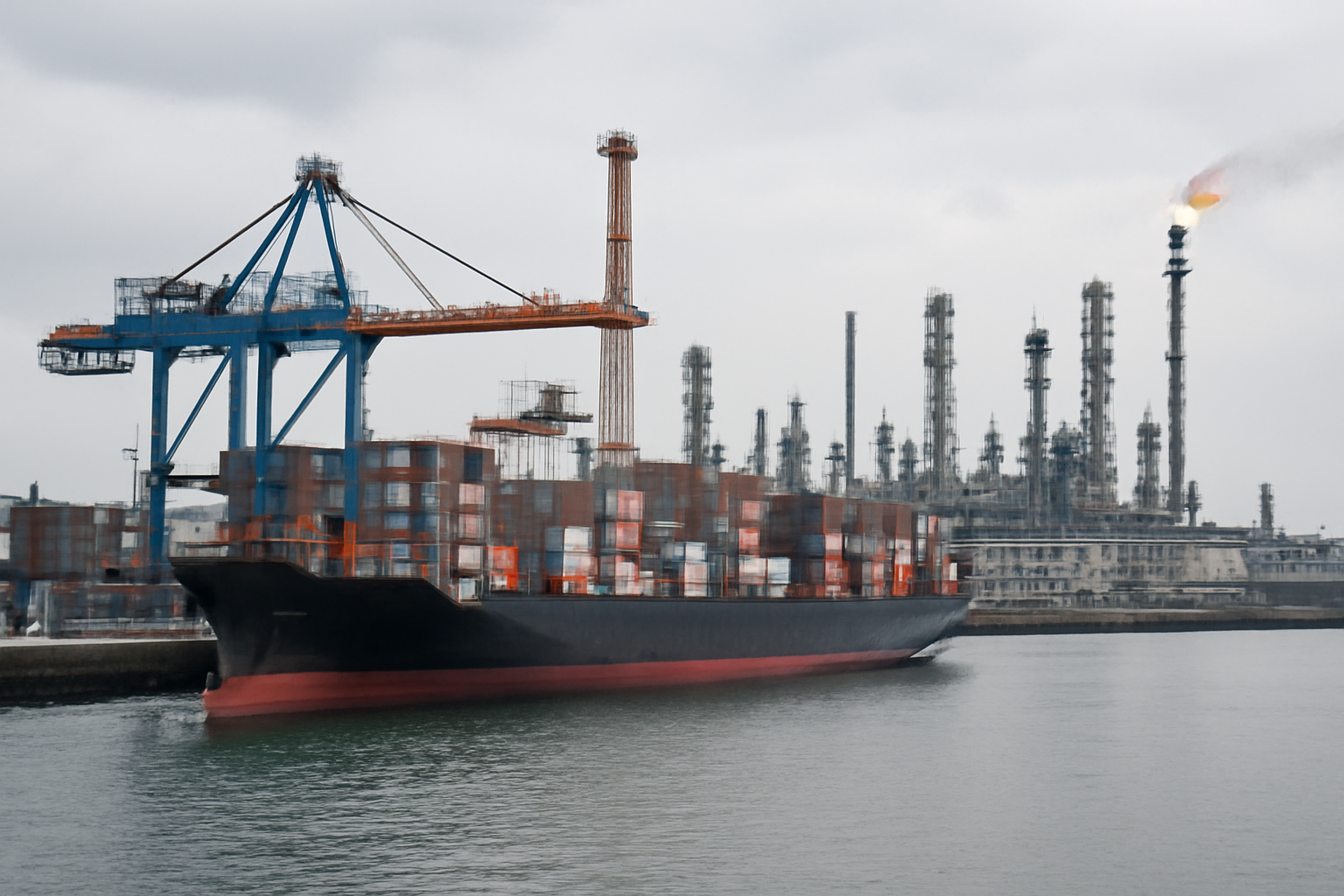
Buyers seek replacement fuel supplies
Wars are disrupting established fuel supply channels and creating commercial opportunities for exporters in the United States and India. According to Moneycontrol, global buyers are seeking alternative sources when their usual supplies become unavailable or are considered too risky. That redirection of demand is opening new markets and creating potentially lucrative margins for suppliers able to provide replacement cargoes.
The available source material does not identify the individual conflicts, fuel grades, companies, shipment volumes or price differentials involved. It nevertheless points to a broader change in procurement behavior: buyers are placing greater value on access to dependable supply when conflict threatens production, transport or commercial relationships. For producers, refiners and traders, the ability to respond to a sudden shortfall can become as important as the underlying cost of the fuel.
United States and India gain selling opportunities
US and Indian exporters are positioned as beneficiaries because displaced buyers need alternative sellers. The opportunity is not necessarily limited to replacing the same supplier on a permanent basis. Emergency purchases can introduce exporters to markets previously served through established relationships, giving them a chance to build new commercial links while disrupted supply remains unavailable or unattractive.
Margins may improve when buyers have fewer acceptable options and must secure fuel within tighter time frames. However, the headline does not provide figures showing how much exporters are earning or whether the gains are concentrated among refiners, commodity traders or transport providers. It also does not establish how long the disruption will last. The opportunity therefore depends on the duration of the conflict-related shortage and on whether alternative supply routes remain commercially viable.
Reliability becomes a competitive factor
For importers, switching suppliers can reduce immediate exposure to an unavailable or risky source, but it can also change delivery times, freight requirements and contract terms. Buyers must balance security of supply against the cost of redirecting purchases. Exporters, meanwhile, need sufficient available fuel and the operational capacity to serve additional destinations without weakening commitments to existing customers.
The redirection described by Moneycontrol also shows how conflict can reshape fuel trade without an immediate change in underlying consumption. Demand may remain with the same importing markets, while the origin of supply and the companies capturing the margin change. That distinction matters to refiners and traders assessing whether higher sales represent durable market expansion or a temporary response to interrupted flows.
Durability of the shift remains uncertain
The central question is whether buyers return to their previous suppliers after the disruption eases. Some may do so if traditional sources regain their cost advantage and perceived risk declines. Others may retain US or Indian suppliers to diversify procurement and reduce dependence on a single route or seller. Without volume, price and destination data, the balance between temporary substitution and lasting diversification cannot yet be measured.
For market participants, the immediate signal is clear: conflict is rewarding exporters with accessible supply and the ability to reach buyers seeking alternatives. The longer-term value of these new markets will depend on price competitiveness, delivery performance and whether buyers continue to treat supply risk as a central purchasing consideration after the disruption subsides.